
The Ultimate Home Maintenance Checklist for 2027
A home maintenance checklist works season by season: monthly checks for alarms and filters, spring and fall for gutters and roof, summer for cooling, and winter for pipes and heating. Budget 1 to 4 percent of your home value each year, and start with the monthly checks below.
Most houses do not fail all at once. A gutter clogs, water overflows in one corner, paint peels, and a small stain appears on a ceiling months later.
Each step on its own looks minor, yet together they can lead to rot, mold, and a repair bill that dwarfs the cost of a ladder and an afternoon of work. A written plan stops that chain early, because it turns vague worry into dated jobs you can tick off.
This home maintenance checklist is built for a typical single family house with a roof, gutters, a heating and cooling system, plumbing, and a yard. If you live in a condo or a townhouse, skip the jobs your association covers and keep the indoor safety checks. The order below follows the seasons, because roofs and gutters matter most before heavy rain, and pipes matter most before a freeze.
Why a home maintenance checklist saves real money
Fannie Mae advises homeowners to budget 1 percent to 4 percent of a home value each year for maintenance, including repairs and replacements. For a home valued at $350,000, that guidance means a savings goal of $3,500 at 1 percent, and $14,000 at 4 percent for a home more than 30 years old.
Those figures are planning guides, not quotes, and your real spend will vary with home age, climate, and system condition. A house with a new roof, a new furnace, and new plumbing will cost less to run in a given year than a house where all three systems are past 20 years old.
Consider a specific example. A family buys a 2,000 square foot house built in 1998, with the original water heater, original windows, and mature oak trees over the roof.
In year one, their home maintenance checklist catches a clogged gutter in spring, a worn washing machine hose in summer, and a tired furnace filter every month. Each fix costs little on its own, yet each one prevents a leak, a flood, or a breakdown that could have cost thousands.
How to use this home maintenance checklist
Work through the list in season order, and do the monthly jobs on the same day each month so they become habit. Keep a simple notebook or phone note with the date, the job, and anything odd you saw, such as a stain, a smell, or a noise.
Do not try to finish the whole year in one weekend. Pick the current season, finish those jobs, and move on. A home maintenance checklist works when it stays small enough to finish, and a half done list you trust beats a perfect list you never start.
What should you check every month?
Monthly jobs are short, cheap, and high value, and they protect the systems that run every day: the filter, the alarms, and the water shut offs. Change or clean the heating and cooling filter, and check it more often if you have pets, allergies, or a dusty lot. A clogged filter strains the system, weakens airflow, and can shorten equipment life.
Test smoke alarms and carbon monoxide alarms once a month, and replace batteries when an alarm chirps or fails a test. The National Fire Protection Association reports that three out of five home fire deaths happen in homes with no smoke alarms or with smoke alarms that do not work. Replace every smoke alarm after 10 years, because sensors lose sensitivity with age even when the alarm still looks fine.
Walk the house once a month and look for leaks under sinks, around toilets, and near the water heater. Clean the dryer lint filter after every load, and check the vent hose for kinks, because lint buildup is a known fire risk and it also makes drying slower and more costly.
- Change or clean the heating and cooling filter.
- Test smoke alarms and carbon monoxide alarms.
- Check under sinks, around toilets, and near the water heater for leaks.
- Clean the dryer lint filter and check the vent hose.
- Look at the electrical panel for tripped breakers or a burning smell.
Spring: roof, gutters, and exterior
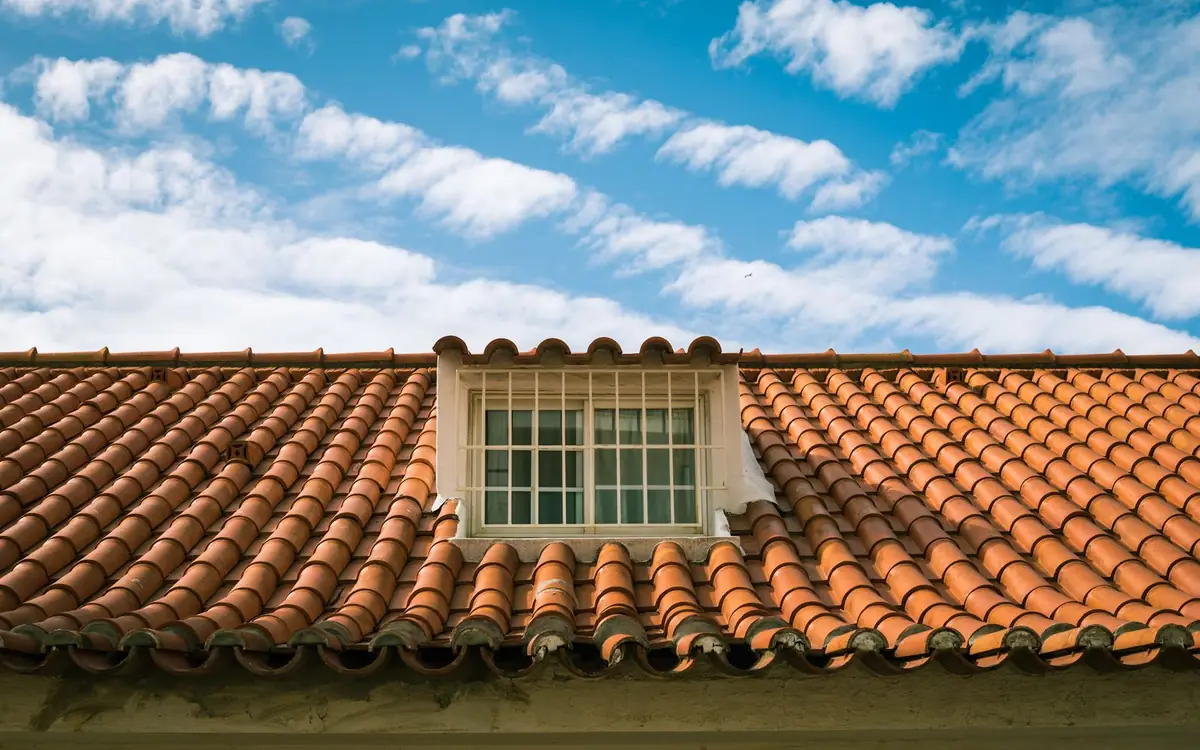
Spring is the season to look at everything winter may have damaged, starting at the top of the house. Inspect the roof from the ground with binoculars, and look for missing shingles, cracked tiles, lifted flashing, and debris in valleys. Call a roofer for any work on the roof itself, because falls and hidden soft spots make roof walking risky for most owners.
Clean gutters and downspouts in spring, and again in fall if trees drop leaves over the roof. HomeAdvisor puts typical professional gutter cleaning at $105 to $190, while HomeGuide lists $100 to $250 for a 2,000 to 2,500 square foot home, and Angi puts the national average at $168, which sits inside both ranges above, so the guides agree even though their averages differ. Water that overflows a clogged gutter can rot fascia boards, stain siding, and soak the soil near the foundation.
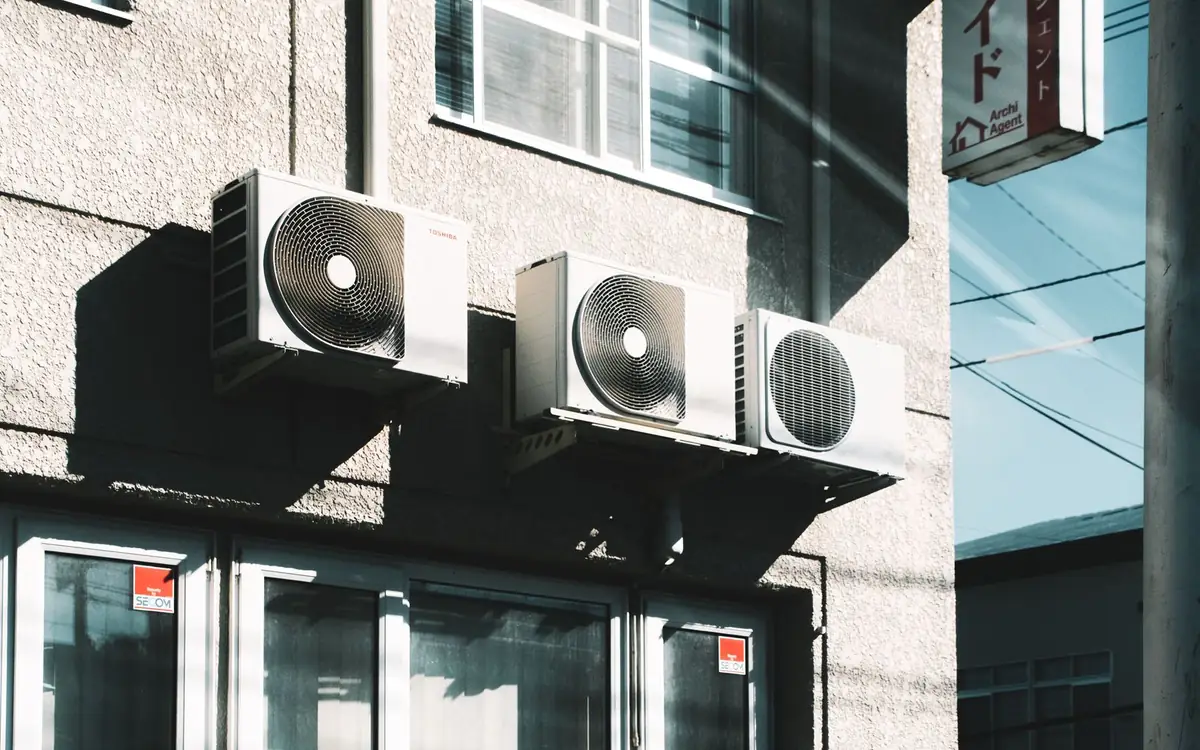
Check the ground around the house, and make sure soil slopes away from the foundation rather than toward it. Service the cooling system before hot weather, replace filters, clear debris from the outdoor unit, and test the thermostat.
- Inspect the roof from the ground for missing shingles and damaged flashing.
- Clean gutters and downspouts, and check that downspouts drain away from the house.
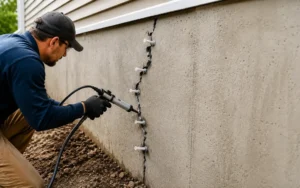
- Check grading, foundation cracks, and driveway cracks.
- Service the cooling system and test the thermostat.
- Inspect exterior paint and caulk, and reseal gaps around windows and doors.
Summer: cooling, water, and outdoor living
Summer jobs focus on cooling, water use, and the outdoor spaces you use most. Keep the outdoor cooling unit clear on all sides, and trim plants back so air can move freely around it.
Inspect decks, porches, and fences for loose boards, popped nails, and soft wood that may signal rot. Check hoses, outdoor faucets, and sprinkler heads for leaks, because a slow outdoor leak can waste a large amount of water across a season.
- Keep the outdoor cooling unit clear and trim nearby plants.
- Inspect decks, fences, and railings for loose or rotted wood.
- Check hoses, faucets, and sprinklers for leaks.
- Seal pest entry gaps and check for termite signs.
Fall: heating, sealing, and winter preparation
Fall matters most in a home maintenance checklist, because it sets the house up for cold weather. Service the heating system before the first cold snap, replace filters, and test the thermostat in heating mode. Bleed radiators if your system uses them, and check that every radiator warms evenly.

Clean gutters again after leaves fall, and check the roof once more before winter storms. Seal gaps around doors and windows with weatherstripping and caulk, and check attic insulation for thin or displaced areas.
- Service the heating system and test carbon monoxide alarms.
- Clean gutters after leaves fall.
- Seal doors and windows, and check attic insulation.
- Drain outdoor faucets and store hoses indoors.
- Test the sump pump and trim dead branches over the house.
- Inspect the chimney and fireplace before first use.
Winter: pipes, heating, and indoor safety
Winter jobs are mostly about watching pipes, heating, and indoor air. Insulate exposed pipes in unheated areas such as garages, crawl spaces, and attics, and keep the house heated even when you travel. If a pipe freezes, shut off water at the main valve, open the affected tap, and call a plumber rather than heating the pipe with an open flame.
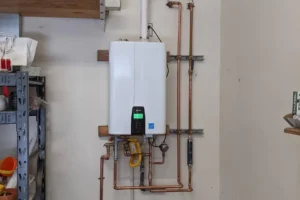
Use winter to handle indoor jobs that need no ladder and no outdoor work, such as tightening loose hardware, touching up paint, and cleaning refrigerator coils. A tank style water heater typically lasts around 10 years, while a tankless unit can last around 20 years, so note the install date and plan replacement before a failure floods the area.
Annual safety and system checks
Once a year, give the whole house a slow walk through with fresh eyes, room by room and outside in. Test every ground fault circuit interrupter outlet by pressing its test button, and reset it to confirm it trips and restores power. Check fire extinguishers for pressure, damage, and expiry dates, and keep one in the kitchen and one near an exit.

Flush the water heater once a year if the maker advises it, and test the pressure relief valve with care, because sediment buildup cuts efficiency and shortens tank life. Inspect the attic for leaks, pests, and insulation gaps, and inspect the basement or crawl space for dampness, mold, and standing water.
Review your maintenance notes once a year, and turn them into next year plan. List the age of the roof, the heating and cooling system, the water heater, and major appliances, then set money aside for the oldest items first. That single review turns a home maintenance checklist from a chore list into a budget plan.
Plumbing, tools, and small repairs
Most small plumbing jobs need only a few tools and a calm approach. Keep a plunger, an adjustable wrench, pliers, a screwdriver set, thread seal tape, and spare washers in one box, so a drip does not wait for a shopping trip.
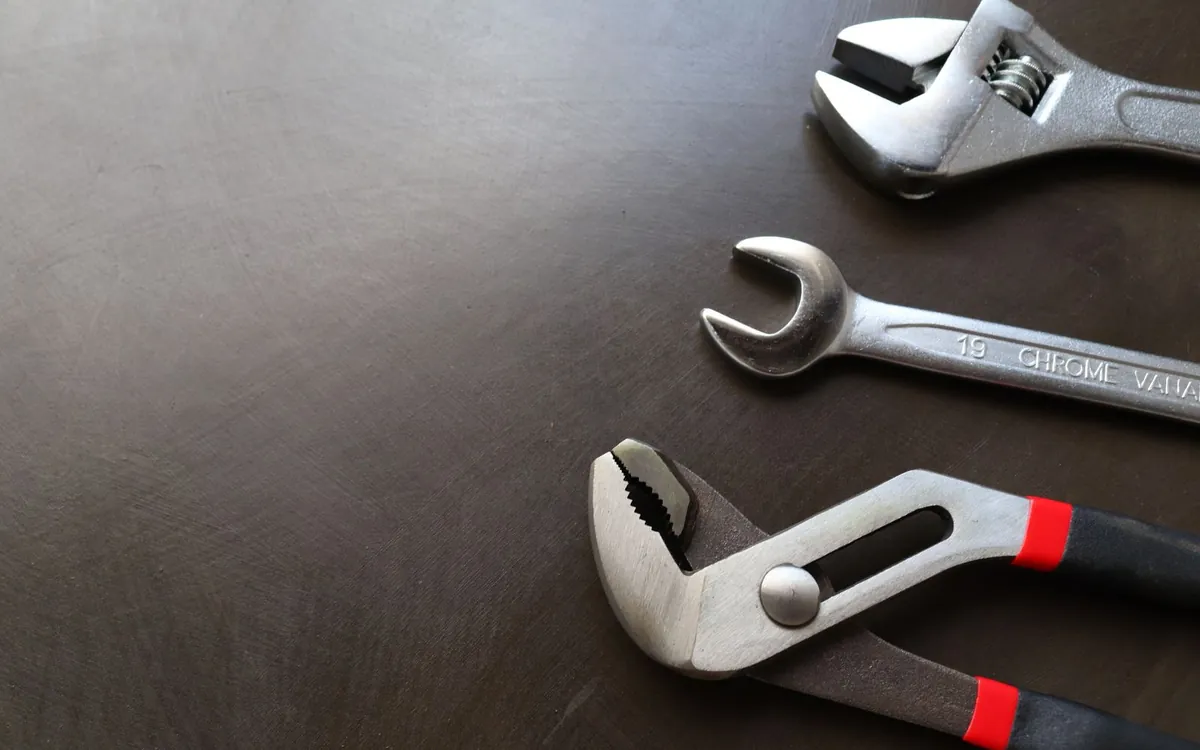
Fix dripping taps promptly, because a steady drip wastes water and can stain sinks and tubs, and replace worn toilet flappers when a toilet runs or refills on its own, and check the toilet base for rocking or water damage. If a drain runs slow, try a plunger or a drain snake before chemicals, because harsh chemicals can damage pipes and rarely clear a solid blockage.
Know the limits of do it yourself work, and hire a licensed plumber for sewer line problems, main line leaks, and any job that needs a permit. A building permit is required for many structural, electrical, and plumbing changes, and unpermitted work can cause trouble at sale time and with insurance. When a job grows past your tools or your comfort, a professional visit is cheaper than a second repair.
What does home maintenance cost each year?
Annual home maintenance checklist costs vary widely, so use ranges and your own notes rather than a single national average.
Fannie Mae guidance of 1 percent to 4 percent of home value gives a planning range. A 2,000 square foot home would sit near $7,000 a year at 2 percent, which is the middle of the Fannie Mae range, and an older home with aging systems should budget toward the 4 percent end.
Here is what each part of the yearly budget usually costs.
| Item | Typical cost | Source |
|---|---|---|
| Gutter cleaning | $105 to $190 | HomeAdvisor |
| Water heater flush or service | $75 to $300 | Typical market range |
| Yearly maintenance budget | 1 to 4 percent of home value | Fannie Mae |
Common yearly items include filters, pest control, gutter cleaning, and system servicing. Professional gutter cleaning runs $105 to $190 according to HomeAdvisor, and a water heater flush or service visit often runs $75 to $300 depending on the work and the market.
When to call a professional
Call a licensed professional for gas lines, electrical panel work, structural changes, and roof work above a single story. Call a plumber for sewer smells, repeated drain backups, and water stains that keep returning after a repair. Call an exterminator when you find termite tubes, large nests, or droppings in several rooms.
Touch up paint early, before peeling exposes bare wood to rain, and check the cost to paint a room before a full repaint so the budget stays honest. If a bathroom needs more than new caulk and grout, compare that project with a full bathroom remodel cost before you start, because a remodel changes plumbing, tile, and permits in a way routine upkeep does not. A clear scope and three itemized quotes protect you on any large job.
Never work on a live electrical circuit, never enter a flooded basement with power on, and never ignore a gas smell. Leave the house if you smell gas or if a carbon monoxide alarm sounds, and call the gas utility or emergency services from outside. Safety rules like these belong at the top of any home maintenance checklist, because no repair is worth a serious injury.
A practical checklist to start this weekend
You do not need to buy anything to start, because the first pass is mostly looking, testing, and noting. Set aside two hours, walk the house with this list, and write down what you find.
- Test every smoke alarm and carbon monoxide alarm, and note the age of each unit.
- Change the heating and cooling filter, and write the size on the filter slot for next time.
- Check under every sink and around every toilet for drips, stains, or soft flooring.
- Clean the dryer lint filter, check the vent hose, and clear the outside vent cover.
- Walk the outside of the house, look at gutters, grading, and exterior caulk, and photograph anything odd.
- Find the main water shutoff valve and the electrical panel, and show every adult in the house.
- Write the age of the roof, heating system, and water heater in your notes.
Repeat the monthly jobs on the first of each month, and repeat the seasonal jobs when the season changes. After one full year, your notes will show which jobs your house needs most, and the list will feel less like a chore and more like a routine. That routine is the real goal of a home maintenance checklist, because a house that gets steady attention rarely demands emergency attention.
Free printable home maintenance checklist
Print this page, or download the free checklist and stick it on the fridge. It is the same list as the seasons above, on one page, with boxes to tick and space to write your filter size and water shut off. Download the free printable home maintenance checklist (PDF).
Three items deserve a line of their own, because they are easy to forget and expensive to miss. Test for radon every two years, and sooner if you change the foundation or the ventilation. Pump a septic tank every 3 to 5 years, and book a termite inspection every year, because both problems hide until the bill arrives.
Sources: Fannie Mae maintenance budget guide, 1 to 4 percent of home value a year; HomeAdvisor gutter cleaning cost guide, $105 to $190; HomeGuide gutter cleaning cost guide, $100 to $250; National Fire Protection Association smoke alarm guidance. All four links open the publisher guides directly.
Related guides
- When to Replace Water Heater: 7 Signs Your Tank Is Failing in 2027
- How to Clean HVAC Filters the Right Way in 2027
- When to Replace HVAC Filters: A Homeowner Guide for 2027
- HVAC Filters Maintenance Checklist: A Seasonal Guide for 2027
- Gutters Maintenance: How Often and How to Do It in 2027
- How to Clean Gutters the Right Way in 2027
- When to Replace Gutters in 2027: Signs, Costs, and the Repair or Replace Call
- Gutters Maintenance Checklist for 2027: A Season by Season Guide
- How Much Does It Cost to Repair a Roof in 2027
- How Much Does It Cost to Repair a Roof Leak in 2027
- How Much Does It Cost to Install a Ceiling Fan in 2027
- How Much Does a 20×20 Stamped Concrete Patio Cost in 2027
- What Are the Best Home Maintenance Apps in 2027
- How Does a Water Heater Work? Inside the Tank in 2027
- How to Drain a Water Heater in 2027
Frequently asked questions
How often should I update my home maintenance checklist?
Review the list once a year and after any major job, such as a roof replacement or a system upgrade. Add the new install dates, remove jobs that no longer apply, and adjust the budget for the next oldest system. A list that never changes slowly stops matching the house it serves.
What is the most important monthly home maintenance task?
Testing smoke alarms and carbon monoxide alarms matters most, because those devices protect life rather than property. Changing the heating and cooling filter ranks next, because it protects an expensive system for a few dollars. Checking for leaks ranks third, because water damage grows quietly and costs far more than the drip that started it.
How much should I budget for home maintenance each year?
Fannie Mae guidance suggests 1 percent to 4 percent of home value per year, with newer homes near the low end and homes over 30 years old near the high end. A $350,000 home would plan $3,500 at 1 percent, while an older home of the same value could plan up to $14,000. Use your service history to refine the figure, because a house with new systems needs less than a house with aging systems.
Do I need to clean gutters twice a year?
Most houses need gutter cleaning in spring and again after leaves fall, and houses under heavy trees may need a third cleaning. Watch for overflow during rain, plants growing in the gutter, and stains on siding below the gutter line.
Can I do all home maintenance myself?
Most owners can handle filters, alarms, cleaning, caulk, and basic checks, but gas, electrical panel, structural, and roof work belong to licensed professionals. A good rule is to do the work you can test after you finish, such as a filter change or a leak check. If you cannot test the result, or if a mistake could cause fire, flood, or injury, hire a professional.
Start with the monthly jobs, then work through the current season, and let the list grow with your notes. A home maintenance checklist will not make a house perfect, but it will make problems smaller, cheaper, and easier to plan. That steady progress is what keeps a house safe, comfortable, and in good repair year after year.