When to Replace Water Heater: 7 Signs Your Tank Is Failing in 2027
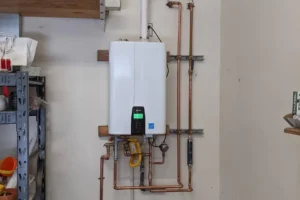
Plan a replacement when a tank unit passes 10 years, leaks, rusts, or runs out of hot water. Tank units usually last 8 to 12 years, while tankless units last 20 years or more, and a repair past half a new unit price means replacement wins. Judge when to replace water heater units by age, leaks, and repair cost.
A water heater works quietly in the background until the morning it fails. That failure rarely arrives with no warning, and most units give clear signs for weeks or months first. The trick is knowing which signs mean a simple repair and which signs mean the tank itself is done.
This guide explains when to replace water heater equipment in plain terms. You will learn how long each type lasts, the seven signs that matter most, how to check the age of your own unit, and what a replacement costs in the United States.
It also covers the repair or replace choice, the options for your next unit, and a short plan you can follow before you buy.
How Long Does a Water Heater Last?
A gas tank unit lasts 8 to 10 years, an electric tank 10 to 15 years, and a tankless unit 15 to 20 years, following Roto-Rooter, while Modernize puts tank units at 8 to 12 years and tankless units at 10 to 15 years or more with proper care, so a tankless band of 10 to 20 years covers both guides. Energy Star recommends replacing a tank unit proactively at 10 years. A tank unit stores hot water in a steel tank, and that tank slowly corrodes even with good care, while a tankless unit heats water only when you open a tap, so it has no stored water slowly wearing a tank from the inside.
The table below gives the ranges most United States guides agree on. Angi puts conventional tank units at 6 to 12 years and tankless units at up to 20 years.
Modernize puts tank units at 8 to 12 years and tankless units at 10 to 15 years or more with proper care. That table is a useful starting point when you ask when to replace water heater units for your own home.
| Water heater type | Typical lifespan | Notes |
|---|---|---|
| Tank, gas | 6 to 12 years | Most common type in United States homes |
| Tank, electric | 10 to 15 years | Often lasts longer than a gas tank unit |
| Tankless | 15 to 20 years or more | Needs regular flushing to reach the top end |
| Heat pump, also called hybrid | 10 to 15 years | Uses heat from surrounding air to warm water |
Hard water shortens life, because minerals settle as sediment at the bottom of a tank. Soft water, yearly flushing, and anode rod care push a unit toward the top of its range. A unit in a home with very hard water and no flushing may fail years earlier than the same model in a soft water home.
Age alone does not settle the question of when to replace water heater units, but it sets the frame for every other sign. A leak on a 3 year old tank points to a fitting or a valve, while the same leak on a 13 year old tank points to the end of the tank itself.
What Are the 7 Signs Your Water Heater Needs Replacing?
When to replace water heater units is clearest when signs appear together, not one by one. One mild sign on a young unit may mean a repair, while two or three signs on an old unit mean you should plan a replacement now.
1. The unit is past its expected life
A tank unit past 10 years deserves a replacement plan even if it still heats water today. Parts wear together, the glass lining inside the tank thins, and the risk of a sudden leak rises each year after that point. Planning now lets you compare quotes calmly instead of choosing in a rush after a flood.
2. Rusty or discolored hot water
Run the hot tap and the cold tap side by side for a minute. If only the hot water runs brown, orange, or cloudy, the tank is likely corroding from the inside, and rusty water in a unit under 8 years old may mean a failed anode rod, not a failed tank, following Roto-Rooter. If both taps run discolored, the problem may sit in your pipes or the water supply instead, so check that distinction before you blame the heater.
Rust means the protective lining and the anode rod can no longer protect the steel. An anode rod is a metal rod inside the tank that attracts corrosion so the tank walls corrode more slowly.
Once rust shows in the water itself, the tank is usually past saving. That hot water only pattern is one of the clearest answers to when to replace water heater questions.
3. Water pooling around the base
Any puddle under a tank unit needs attention the same day. First check the pipes, fittings, and the temperature and pressure relief valve on the side of the tank, because a loose fitting can sometimes be tightened or replaced. If water comes from the tank body itself, or from a seam in the steel, no repair will hold for long.
A leaking tank can release 40 to 50 gallons of water into a basement or utility closet in a short time. That is why guides from Angi and other United States publishers treat a tank leak as an immediate replacement sign, not a watch and wait sign.
4. Popping, rumbling, or banging noises
Sediment is the usual cause of noise in a tank unit. Minerals in tap water sink to the bottom of the tank and harden into a layer, and water trapped under that layer boils and pops as it escapes. The noise itself is annoying, but the damage behind it matters more, because the hardened layer forces the burner or element to work harder and stresses the tank lining.
Flushing the tank can quiet a young unit with mild sediment. On an old unit with heavy buildup and other signs, flushing may help for a while, but it will not restore a worn lining.
5. Not enough hot water, or water that runs cold too soon
Think about a real household to see how this sign shows up. A family of four with a 50 gallon tank used to get through morning showers with hot water to spare, then over one winter the third shower started running lukewarm. Sediment had shrunk the usable volume inside the tank, and a tired heating element could no longer keep up with demand.
A single cold shower can mean a tripped breaker, a failed element, or a pilot light that went out. A slow decline over months, where showers get shorter and recovery takes longer, points to a unit near the end of its working life.
6. Energy bills climbing for no clear reason
An aging heater runs longer to make the same amount of hot water. Sediment insulates the water from the heat source, worn parts cycle more often, and standby heat loss rises as insulation and controls age. If your hot water use has not changed but the gas or electric bill tied to heating has climbed, the heater belongs on the suspect list.
A new efficient model can cut that waste, and the United States Department of Energy notes that tankless models can be 24 percent to 34 percent more efficient than tank models in homes that use up to 41 gallons of hot water per day. Savings vary with use and fuel prices, so treat that figure as a guide, not a promise for your home.
7. Repairs keep coming, or one repair costs too much
Frequent repairs tell a story on their own. A unit that needed an element last year, a thermostat this year, and a valve next year is wearing out in stages, and each visit adds cost without adding much life. Use the 50 percent rule as a simple test: if a repair costs more than half the price of a new unit, and the unit is past half its expected life, replacement usually makes better sense.
HomeGuide puts the same idea in plainer form for homeowners weighing the choice. Replace a unit over 10 years old when the repair is costly, and repair a younger unit when the fault is minor and the tank itself is sound.
How Do You Check the Age of Your Water Heater?
Find the rating label on the side of the tank, usually near the top or near the controls. The label gives the serial number, and the year in the serial number tells you the age, which is what decides when to replace water heater units on a tank you did not install. The label lists the manufacturer, the model, the capacity in gallons, and a serial number.
On many Rheem and A. O. Smith units, the first four digits of the serial number give the month and year of manufacture, so a serial starting 0416 points to April 2016.
Other brands code the date differently, so check the manufacturer guide for your brand if the digits do not read clearly. If the label is missing or unreadable, a plumber can often date the unit from the model number, and the installation paperwork or a home inspection report may list it too.
Write the age down once you find it, along with the capacity and fuel type. That small record makes every later decision easier, from sizing a replacement to judging whether a repair quote is fair.
That date, plus the signs in this guide, tells you when to replace water heater units without guessing.
When to Replace Water Heater Units and When to Repair Them?
Repair wins when the tank is sound, the unit is young, and the fault is a single part. A failed heating element, a faulty thermostat, a tripped breaker, or a pilot light problem on a unit under 8 years old is usually worth fixing. Those parts are made to be replaced, and a good repair can add years of service.
Replacement wins when the tank leaks, rust shows in the hot water, or the unit is past 10 years with a major fault. In that case a new part fixes one symptom while the tank keeps aging underneath it. The question of when to replace water heater units often comes down to this split: fix parts, replace tanks.
Ask any technician you call for two numbers before you agree to work: the full repair price, and the installed price of a comparable new unit. With those two numbers in hand, the 50 percent rule gives you a clear answer instead of a guess.
DIY or pro install: the four things that decide it
Swapping a like for like electric tank is the most feasible DIY water heater job, and it is the one case where the work can be a DIY job at all. Gas and tankless installs are not. The decision turns on four things, and three of them cost more than the install saving if you get them wrong.
| Item | Do it yourself | Hire a pro |
|---|---|---|
| Permit and inspection | You pull it yourself where the city allows, $50 to $500 depending on the town, and the inspection still has to pass | Included, and the paper trail protects a future sale and any insurance claim |
| Temperature and pressure relief valve | You fit a new valve, never reuse the old one, and run the discharge pipe to within 6 inches of the floor or outside, without reducing its diameter | Fitted and tested as part of the job, and the valve opens at 150 PSI or 210 degrees Fahrenheit |
| Warranty | Most manufacturers require professional installation, and a DIY install typically voids the warranty from the day the unit is connected | Warranty stands, and the installer registers the unit with the model and serial number |
| Old tank disposal | You haul it, usually $25 to $75 at a scrap or recycling center, and most towns will not take it in normal trash pickup | Included, the installer takes it away |
The Temperature and Pressure Relief valve, the TPR valve, is the one to take seriously, because it is the safety device that stops a tank becoming a pressure vessel, and a valve fitted wrong, or a discharge pipe that is capped, blocked, or reduced in size, leaves it unable to do its job. Most towns require a permit for a water heater replacement, and unpermitted work can mean a denied insurance claim after water damage and a disclosure problem when you sell. If the job touches gas, venting, or a tankless unit, hire a licensed plumber, because that is the line where the question of when to replace water heater units stops being about price and starts being about safety. and figures come from Roto-Rooter, When to Replace Your Water Heater, and Barnett Plumbing, DIY vs Professional Water Heater Installation, permit $50 to $500 depending on the town, disposal $25 to $75.
What Does a Water Heater Replacement Cost?
Replacement cost varies with type, size, fuel, and the work the site needs. A straight swap of a like for like tank unit in an easy to reach spot costs far less than a tankless conversion that needs new venting, a larger gas line, or an electrical upgrade.
The ranges below come from named United States guides, and they differ because each guide counts different scopes. Price also affects when to replace water heater units, because a costly repair on an old tank rarely pays. Use them to sense check quotes, not as a fixed price for your home.
| Replacement type | Installed cost range | Source |
|---|---|---|
| Tank unit, installed | $600 to $3,100 | HomeGuide |
| Tank unit, installed | $1,600 to $2,400 | Modernize |
| Electric tank unit, replacement | $880 to $1,800 | Angi |
| Tankless unit, installed | $1,400 to $5,600 | HomeGuide |
| Tankless unit, installed | $2,400 to $5,400 | Modernize |
Angi puts the average electric tank replacement at about $1,330, which sits inside its $880 to $1,800 range. A larger household that needs an 80 gallon tank, or a home that needs venting changes, should expect to land above the average. A small home with a simple 40 gallon swap may land below it.
Permits, disposal of the old unit, expansion tanks, and code upgrades can add to the bill, so ask each quote to list those items separately. A quote that hides them looks cheaper on paper and costs more on the day. Local building permit costs vary by project and location, so check what your area requires before work starts.
What Should You Choose for Your Next Water Heater?
Start with household size and hot water habits, not with brand names. A home with one bathroom and two people may suit a 40 gallon tank, while a home with four bathrooms and a large soaking tub needs a bigger tank or a tankless unit sized for peak demand. Sizing by peak use, the busiest hour of the day, avoids cold showers better than sizing by the old unit alone.
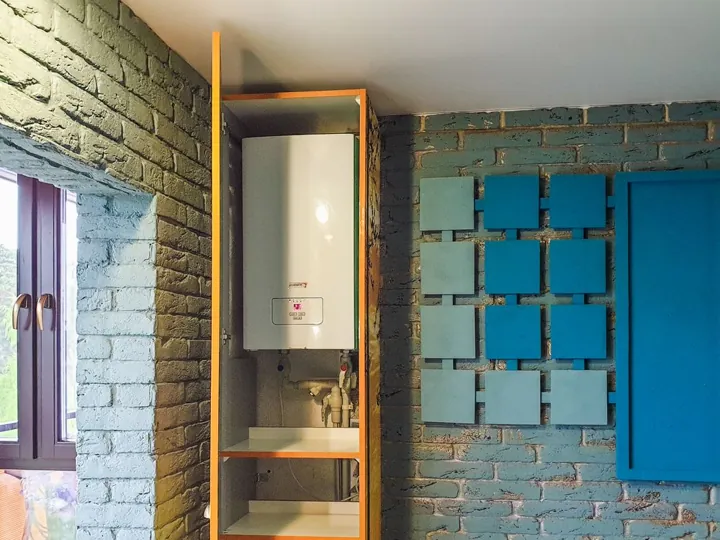
A tank unit costs less upfront, fits the existing pipes and venting in most homes, and any plumber can install it. A tankless unit costs more upfront, saves space on the wall, and can last 20 years or more, but it may need venting or gas line work that adds to the installed price. A heat pump unit costs more than a standard electric tank, uses far less electricity, and needs enough air space around it to work well, so it suits a garage or a large utility room better than a small closet.
Look for the ENERGY STAR label and the Uniform Energy Factor on the rating label when you compare models. The Uniform Energy Factor, usually shortened to UEF, measures how efficiently a unit turns fuel or electricity into hot water, and a higher number means better efficiency. A slightly dearer unit with a much better rating can repay the difference over a 10 year life, especially in a home with high hot water use.
Timing matters too, and when to replace water heater units should be decided by age, signs, and installed quotes together. If you are planning a kitchen remodel cost review or a bathroom update, that project is a natural moment to move, resize, or upgrade the heater while walls are open and trades are already on site. Doing the heater as a separate job later can mean paying twice for access work.
Your 5 Step Plan Before You Buy
Use this checklist to decide when to replace water heater units and avoid a wrong size, and measure the height, the width, and the pipe positions before you order.
- Confirm the age, capacity in gallons, and fuel type from the rating label on your current unit.
- Note the signs you have seen, with dates, so a technician can judge the pattern instead of one bad day.
- Measure the space, the doorways, and the vent route, and photograph the connections for quote purposes.
- Get at least two written quotes that list the unit, labor, permit, disposal, and any code upgrades separately.
- Check your home maintenance checklist for related jobs, such as flushing, anode rod checks, and pipe insulation, and schedule them with the new unit.
Keep the quotes, the new rating label details, and the warranty paperwork in one folder. That folder saves time at the next service visit and proves the install date when you later ask when to replace water heater equipment again.
Safety Notes Before You Start
Water heaters combine water, heat, gas or high voltage electricity, and pressure, so some jobs belong to a licensed professional. Never work on gas connections, venting, or electrical wiring unless you are qualified, and never cap or block the temperature and pressure relief valve. That valve protects the tank from dangerous pressure buildup, and blocking it can turn a fault into a serious hazard.
If you smell gas, leave the area, do not switch lights or appliances on or off, and call your gas supplier or emergency services from outside the home. If a tank is leaking heavily, switch the water supply to the heater off if you can do so safely, and call a plumber the same day. For an electric unit, switch the breaker off before you touch any part of it.
This guide gives general information for homeowners, not a substitute for a licensed plumber or local code advice. Local rules, venting needs, and permit rules vary, so confirm them for your home before work begins.
Take a 10 year old 50 gallon tank that runs out of hot water faster than it used to. Angi puts a tank style replacement at $882 to $1,826 installed, with a national average of $1,348 across 30,979 verified projects, and notes that tank units typically last 8 to 12 years, while HomeGuide puts the same job at $600 to $3,100 and Modernize at $1,600 to $2,400, because their figures cover different scopes, so compare like with like before you judge a quote. At 10 years old with fading performance, that tank sits near the end of its expected life, so budgeting for a replacement now beats waiting for a leak.
Sources for this when to replace water heater guide: Roto-Rooter, When to Replace Your Water Heater, gas tank 8 to 10 years, electric tank 10 to 15 years, tankless 15 to 20 years; Angi water heater installation cost guide, $882 to $1,826, $1,348 average, 30,979 verified projects; United States Department of Energy, a gas tankless unit runs 24 to 34 percent more efficiently than a storage tank for homes using 41 gallons a day or less. Both links open the publisher guides directly.
Related guides
- Building Permit Cost: What Homeowners Actually Pay
- The Ultimate Home Maintenance Checklist for 2027
- Kitchen Remodel Cost in 2027: What Homeowners Actually Pay
- How Does a Water Heater Work? Inside the Tank in 2027
- How to Drain a Water Heater in 2027
- How to Flush a Water Heater in 2027
Frequently asked questions
Can a leaking water heater be repaired?
Sometimes, if the leak comes from a fitting, a valve, or a pipe joint. If the leak comes from the tank body or a seam, replacement is the safe answer, because a steel tank cannot be patched reliably.
How long does a water heater replacement take?
A straight tank swap usually takes 2 to 4 hours for a professional crew. A tankless conversion, or a job that needs new venting or a gas line upgrade, can take a full day or more.
Should I flush my water heater every year?
Yearly flushing helps in most homes, and it matters most where water is hard. Flushing removes sediment, quiets noise, and protects efficiency, but it will not save a tank that is already rusting from the inside.
Is a tankless water heater worth the higher price?
It can be, for a home that values endless hot water, wall space, and a longer life, and where the venting and fuel supply already suit it. It is less attractive where the conversion work alone costs more than the unit, so compare fully installed quotes before you decide. That comparison is part of deciding when to replace water heater units, not just which unit to buy.
How do I know when to replace water heater equipment in my home?
Start with the age on the rating label, then check for leaks, rusty hot water, noise, and a shrinking hot water supply. If the unit is past 10 years and shows two or more of those signs, get replacement quotes before it fails.
What size water heater do I need?
Size by peak demand, not by the old tank alone. A 40 gallon tank often suits one or two people, a 50 gallon tank suits three or four people, and larger households or homes with big tubs should ask a plumber to size by the busiest hour.