How to Drain a Water Heater in 2027
Shut off the power or gas and the cold water inlet, attach a garden hose to the drain valve, open a hot water faucet, and let the tank empty. Flush it with bursts of water until the flow runs clear, close the valve, refill the tank, and restore power. That is how to drain a water heater in an hour.
Picture a homeowner who had lived in his house for six years and never once thought about the tank in the basement. Then one Saturday the shower went lukewarm halfway through, and the tank started popping every time it heated. He had never learned how to drain a water heater, and the grit at the bottom of his tank caused both problems.
What is the grit at the bottom of your tank?
Tap water carries dissolved minerals, mostly calcium and magnesium. When the burner or heating element warms the water, those minerals drop out and sink to the bottom as sediment, a gritty layer that grows a little thicker with every heating cycle. Once you know how to drain a water heater, clearing that layer takes about an hour.
That layer acts like insulation between the heat and the water. The heater runs longer to reach the same temperature, your energy bill creeps up, and trapped water under the sediment can boil into steam bubbles, which is the popping sound owners hear. The US Department of Energy also suggests draining about a quart from the tank every 3 months between full flushes.
Hard water makes it worse. Above 7 grains per gallon, which counts as hard, sediment builds up much faster, and a yearly flush is not enough. Your hardness number often sits in the water quality report your supplier must publish every year, or you can test it with a cheap strip kit.
How often should you drain a water heater?
Flush a tank water heater once a year, or every 6 months if your water is hard. That is the schedule most manufacturers recommend in their manuals. Homes with a water softener can usually stay on the yearly schedule.
Add the date to your home maintenance checklist so the job does not slip to next year. Watch for the signs that the tank is overdue: popping or rumbling while the heater runs, rust colored hot water, less hot water than you used to get, and a bill that climbs with no extra use. Two of those signs mean it is time to learn how to drain a water heater before the next cold season, not after it.
What does a flush cost?
Doing it yourself costs almost nothing. Angi puts the DIY cost at up to $25, mostly for a hose if you do not own one, and the job takes 1 to 2 hours including setup and refill.
| Job | Typical cost |
|---|---|
| DIY flush, hose and bucket, about an hour | $0 to $25 |
| Pro flush, plumber handles the valves and the mess | $110 to $200, national average $160 |
| Pro flush plus anode rod check, new rod if the old one is worn out | $150 to $250 |
| Water heater replacement, a new tank when flushing comes too late | About $1,255 on average |
The flush is the cheapest hour in home maintenance. A new tank costs about $1,255 on average, according to Angi, so skipping a free yearly job to save an afternoon is a poor trade. In my view, learning how to drain a water heater yourself is the cheapest hour you will spend on your house all year.
What you need before you start
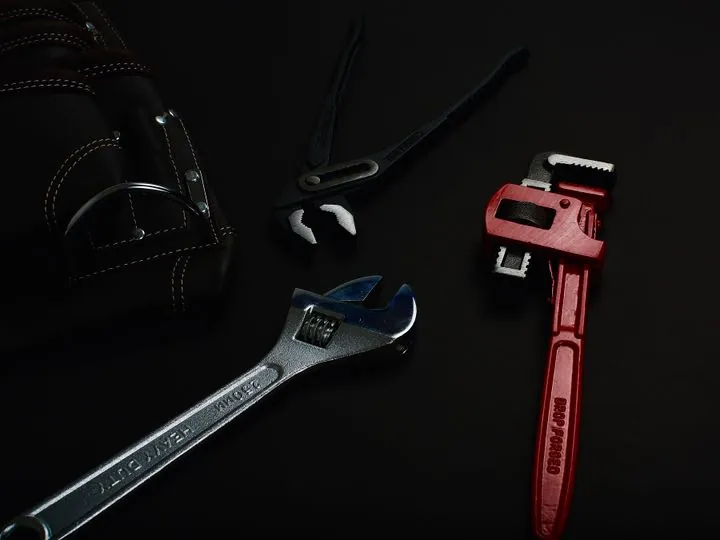
Gather everything first, because a half drained tank is a bad time to shop for a hose. You need a garden hose long enough to reach from the heater to a floor drain or outside, a bucket, old towels, a flat head screwdriver, and work gloves.
The water in the tank sits at 120 to 140 degrees, so wear closed shoes and keep your hands clear of the hose end when you open the valve. Read your heater manual once before you start, because the valve and control locations vary by model.
How to drain a water heater, step by step
Plan on 1 to 2 hours from start to finish. A 50 gallon tank takes 20 to 45 minutes to empty on its own, according to ABS Pipes, and the rest of the time goes to cooling, flushing and refilling. Work through the steps in order and do not skip the cooling step.
Step 1: Turn off the heat. For an electric heater, switch off the dedicated breaker at your panel and tape a note on it so nobody flips it back. For a gas heater, turn the gas control knob to Pilot, which keeps the pilot lit but stops the main burner.
Step 2: Let the water cool. Give the tank a few hours, or overnight if you can, so the water inside is safe to handle. Running the hot taps for a while pulls hot water out and lets cold water in, which cools the tank faster.
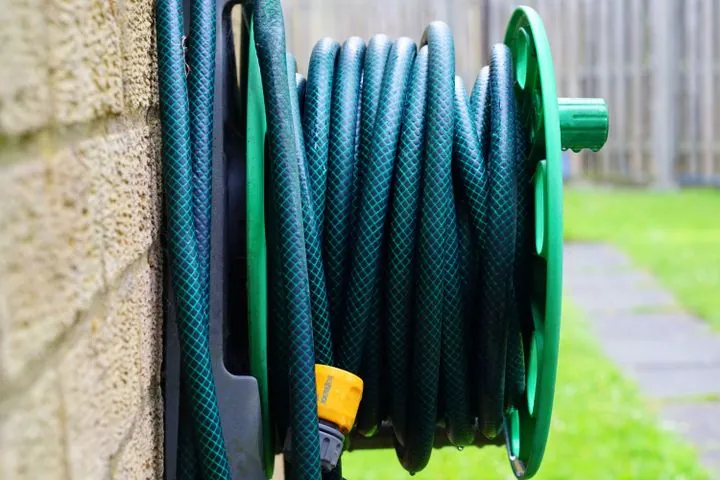
Step 3: Attach the garden hose. Thread the hose onto the drain valve near the bottom of the tank and run the other end to a floor drain, a sump pit or outside, downhill from the heater so gravity helps. With no floor drain, run the hose out a door or a window onto a driveway, away from plants and walkways.
Step 4: Shut off the cold water inlet. Find the cold water shutoff valve on top of the heater, usually marked cold or blue, and turn it clockwise to close it. This stops the tank from refilling while you drain it.
Step 5: Open a hot water faucet. Open the hot tap nearest the heater, or one on an upper floor, and leave it open. Air enters through the tap and breaks the vacuum inside the tank, so the water can flow out freely.
Step 6: Open the drain valve. Turn the valve slowly and stand clear, because the first water out is the hottest and dirtiest. Let the tank drain until the flow stops, which takes 20 to 45 minutes for a 50 gallon tank.
Step 7: Flush the sediment out. With the drain valve still open, turn the cold water inlet back on for 10 to 15 seconds at a time. Each burst stirs up the grit on the bottom and pushes it out through the hose, so repeat until the water runs clear and free of debris.
Step 8: Refill and restart. Close the drain valve tightly, disconnect the hose, and open the cold water inlet to refill the tank. Leave the hot faucet open until it runs in a steady stream with no sputtering, which means the tank is full, then close it.
Only then restore power at the breaker or turn the gas knob back to On, because an electric element switched on in an empty tank burns out in seconds.
How do you know the tank is empty?
The tank is empty when water stops flowing from the hose completely. Tap the side of the tank near the bottom with your knuckles: a hollow ring means it is drained, while a dull thud means water is still sitting inside.
Check the last of the water, too. If it runs clear, the flush did its job. If it still looks sandy after three or four bursts, run a few more, then stop: a tank that has never been flushed may need a pro with a pump to clear the rest.
What if the valve will not drain?
When the valve will not open, or it only trickles, chunks of sediment are almost certainly blocking the opening. This is the point where learning how to drain a water heater turns into a troubleshooting job, and there are four fixes to try in order.
Stomp the hose. With the valve open and the hose attached, step firmly on the hose a few feet from the tank. The pressure pulse can knock the clog loose.
If it does not work, use the back flush below, the same method our guide to flushing a water heater uses for a clogged valve.
Back flush the valve. Connect a washing machine hose, which has two female ends, between a nearby faucet and the drain valve, then turn the faucet on to force water into the heater through the drain valve. That pushes the sediment back from the opening, so close the faucet, disconnect and try again.
Clear it with a wire. On a brass valve only, feed a stiff straightened coat hanger into the valve opening to break up the crust. Skip this one on a plastic valve, because the wire can chew up the threads, and keep a bucket under the valve, because water and sludge can rush out fast when the clog clears.
Replace the drain valve. If the valve is seized or broken, a new brass valve with thread seal tape on the threads is the fix. A plumber can sometimes swap one on a full tank using vacuum pressure, but for most owners the safer route is to drain the tank with a pump through the top inlet or by siphon, then replace the valve.
Go carefully on a very old tank. If your heater is over 10 years old and has never been drained, packed sediment can be the only thing sealing tiny corrosion spots, and disturbing it can start a leak. If the old tank still works fine, some plumbers suggest leaving it alone until you are ready to replace the valve or the unit.
What the flush water tells you
Clear water with a little sand means a normal tank that just needed its yearly flush. Rusty or brown water points to corrosion inside the tank, often because the anode rod is worn out, and it is worth checking the rod while the tank is empty.
Chunks of white or gray scale mean heavy mineral buildup, common in hard water homes, and a sign to move to a 6 month schedule. If the water smells like rotten eggs, the anode rod is the usual suspect, and a plumber can swap it for an aluminum zinc rod that often fixes the smell.
Mistakes that damage a heater
Most drain jobs go wrong in the same five ways, and all five are easy to avoid.
- Restoring power to an electric heater before the tank is full, which burns out the lower element in seconds.
- Skipping the cool down and opening a valve full of scalding water.
- Forcing a plastic drain valve with a wrench until it cracks.
- Forgetting to open a hot faucet, so a vacuum holds the water in the tank.
- Draining 50 gallons onto a floor with no drain, which floods the room instead of the yard.
The most expensive mistake is the one people make before they learn how to drain a water heater properly: switching the power back on while the tank is still empty.
When to call a plumber instead
Some jobs belong to a pro. Call one if you smell gas anywhere near the heater, if water is leaking from the base of the tank itself, if the drain valve breaks off in your hand, or if your home has no cold water shutoff valve at all.
Also call a pro if the tank is over 10 years old and has never been drained, or if the valve stays clogged after the fixes above. A plumber can flush the tank with a pump or help you replace the water heater if the tank is at the end of its life.
What about a tankless water heater?
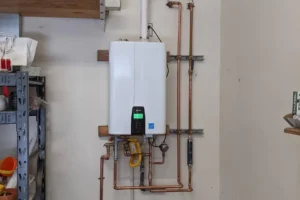
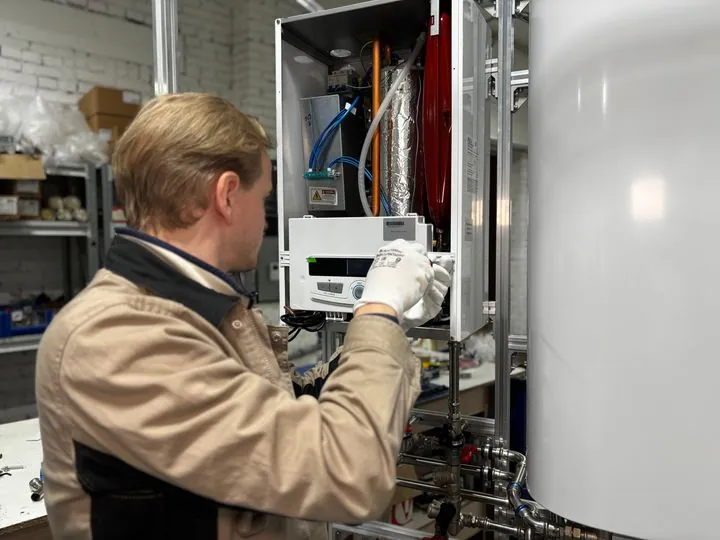
A tankless heater holds no water, so there is nothing to drain. It needs descaling instead: a vinegar or citric acid solution run through the heat exchanger with a small pump to dissolve mineral scale.
Descale a tankless unit every 6 to 12 months in hard water areas, or once a year in soft water. A pro descaling costs $150 to $300, according to Plumbing Pros, and many warranties require it, so keep the receipt.
Related guides
These guides go deeper on the water heater itself and the yearly routine it belongs to.
- How Does a Water Heater Work? Inside the Tank in 2027
- How to Replace a Water Heater
- Home Maintenance Checklist for Every Season
- How to Flush a Water Heater in 2027
- How to Drain a Gas Water Heater in 2027
- How to Drain Electric Water Heater in 2027
- How Long Does It Take to Drain a Water Heater in 2027
- How Often Should You Drain Your Water Heater in 2027
Frequently Asked Questions
Can I drain a water heater myself?
Yes. It is a beginner friendly job that needs a garden hose, a bucket and about an hour. The main thing it takes is patience while the sediment works its way out, and the steps above cover the whole job.
How long does it take to drain a water heater?
Plan on 1 to 2 hours for the whole job the first time you learn how to drain a water heater, and about an hour once you have done it before. A 50 gallon tank takes 20 to 45 minutes to empty on its own, and the narrow drain valve sets the pace, not your hose.
How often does a water heater need a flush?
Once a year is enough for most tanks, and twice a year if your water is hard. The US Department of Energy also recommends pulling about a quart from the tank every 3 months as a light routine, plus a check of the temperature and pressure valve every 6 months.
What happens if I never drain my water heater?
Sediment hardens into a crust on the tank floor that insulates the burner or element from the water, so the heater runs longer and costs more. It can overheat the steel underneath, which shortens the tank life and invites leaks or early failure.
Should I drain a water heater that has never been drained?
Usually yes, but go carefully on a very old tank. After years without a flush, packed sediment can be the only thing sealing tiny corrosion spots, and disturbing it can start a leak, so call a plumber if the tank is over 10 years old and still works fine.
How much does a plumber charge to drain a water heater?
Expect $110 to $200 for a professional flush, with a national average of $160, according to Angi data updated 30 October 2026. A flush plus an anode rod check runs $150 to $250, and a new tank averages about $1,255 installed, according to Angi.
Water heaters involve scalding water, gas, electricity and pressure, so take safety seriously. Never work on a gas heater if you smell gas, never switch on an electric heater until the tank is completely full, and never cap or plug the temperature and pressure relief valve. If a tank leaks from the body itself, call a licensed plumber and do not wait.
Now you know how to drain a water heater, put it on the calendar before you forget. Pick a Saturday, give yourself two hours, and watch what comes out of the hose. Clear water means a healthy tank, and gritty water means you caught the problem in time.
Sources: Angi, How Often Should You Flush and Drain Your Water Heater; Modernize, How Often Should You Flush Your Hot Water Heater; ABS Pipes, How to Drain a Water Heater; Sensible Digs, How to Drain a Water Heater; US Department of Energy, Energy Saver, Water Heating; US Department of Energy, Energy Saver, Storage Water Heaters; Farmers Insurance, How to Drain a Water Heater; Plumbing Pros, Water Heater Flush in San Diego. These figures are national planning ranges drawn from the sources above, not quotes for your home, so ask a licensed local plumber for written advice before you budget or touch a gas appliance.