How Much Does It Cost to Install a Ceiling Fan in 2027
How much does it cost to install a ceiling fan? Most homeowners pay $146 to $360, with a national average of $253, according to Angi data from 9,729 verified projects. A simple swap of an old fan costs $150 to $500 with the fan included, while a new fan in a room with no wiring costs $400 to $1,000.
The fan cost $80. The electrician cost $220, and that is the part nobody budgets for when they ask how much does it cost to install a ceiling fan.
A ceiling fan is one of the cheapest comfort upgrades in a home. It moves air in summer, pushes warm air down in winter, and costs about $5 to $20 a year to run. The catch is that the price of the job swings widely, and the swing has little to do with the fan you pick.
What matters most is what already sits above your ceiling. A room with wiring, a switch, and a fan rated box is a quick job.
A room with no fixture at all needs an electrician to run cable, fit a new box, and sometimes add a circuit. Your home, your wiring, your price.
How much does it cost to install a ceiling fan in your home? It depends on what already sits above the ceiling, and the figures below cover each situation so you can plan with confidence and spot a fair quote.
How Much Does It Cost to Install a Ceiling Fan by Job Type
The type of job decides the price more than the fan does. Four situations cover almost every home, and the table below shows what each one costs with the fan included, based on data from Angi, HomeGuide, and ThePricer.
| Job type | Typical total cost | What the price covers |
|---|---|---|
| Replace an existing ceiling fan | $150 to $500 | New fan plus labor, wiring and box already in place |
| Replace a light fixture with a fan | $200 to $550 | New fan, new fan rated box, and labor |
| Install a fan where no fixture exists | $400 to $1,000 | Fan, new wiring, new box, and labor |
| Install an outdoor or patio fan | $200 to $600 | Weather rated fan and labor, more if new wiring is needed |
How much does it cost to install a ceiling fan when you only swap an old fan for a new one? It is the cheapest job on the list.
The electrician removes the old fan, checks the box and wiring, hangs the new fan, and tests it. Labor alone runs $100 to $300 when the wiring and box are already in place, according to ThePricer.
Swapping a light fixture for a fan costs more, because a light fixture box cannot hold a fan. A ceiling fan is heavy and it moves, so it needs a fan rated box that is built for the weight and the motion. Fitting that box adds $25 to $75 in parts plus labor, and the job takes longer when the ceiling has no access from above.
A fan in a room with no fixture at all is the most expensive common job. The electrician runs new cable through the ceiling, fits a fan rated box, adds a switch or a wall control, and connects the fan. Thumbtack puts new wiring at $6 to $8 per foot, and a new circuit adds $150 to $600, according to Angi.
An outdoor fan sits in the middle of the range. The fan itself must be rated for damp or wet locations, and the mount must resist rain and humidity.
A covered porch with wiring already in place is a simple job. An open patio with no wiring is priced like a new indoor install.
What Does the Fan Itself Cost
The fan you buy sets the floor for the total price. A basic pull chain fan costs very little, while a smart fan with a remote and a light kit can cost ten times as much. Angi lists fan only prices, before labor, as follows.
| Fan type | Fan only price | Best for |
|---|---|---|
| Standard fan | $150 to $400 | Bedrooms and living rooms |
| Low profile or hugger fan | $150 to $400 | Rooms with low ceilings |
| Fan with a light kit | $200 to $450 | Rooms that need light and air from one fixture |
| Smart fan | $250 to $600 | Voice control, app control, and schedules |
| Outdoor or wet rated fan | $200 to $600 | Porches, patios, and damp rooms |
| ENERGY STAR fan | $200 to $500 | Lower running costs over time |
Blade size also moves the price. A small fan for a bathroom or office costs less than a large fan for a great room, and the largest fans can need a second person or extra support. Angi lists fan only prices by blade span as $50 to $300 for 29 to 36 inches, $100 to $500 for 42 to 52 inches, and $150 to $600 for 60 inches and over.
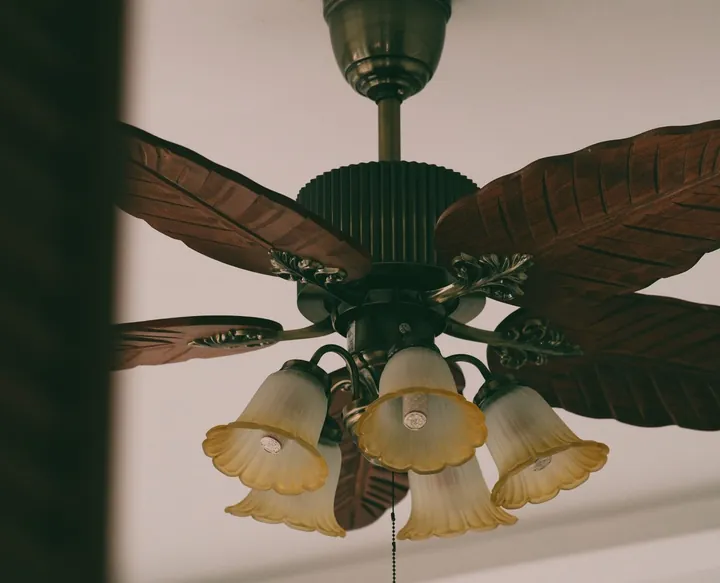
Thumbtack reports a wider spread for the fan itself. A basic pull chain model runs $20 to $90, a better model with a remote and extra features runs $200 to $600, and high end designer fans can run $700 or more.
Most homes land in the middle of that range, and a mid priced fan from a known brand is the best value for most rooms.
How much does it cost to install a ceiling fan with a smart model? A smart fan runs $250 to $600 before labor, according to Angi. Add $100 to $300 in labor for a straight swap, so the total runs $350 to $900.
Pay attention to the motor as well as the look. A fan with a DC motor runs quieter and uses less power than an older AC motor model, and it often comes with a remote in the box. A light kit adds $25 to $300 to the fan price, with the average kit costing about $35, according to Thumbtack.
How Much Does Labor Cost to Install a Ceiling Fan
Labor is the second half of the bill, and it is the half that varies most by place and by job. How much does it cost to install a ceiling fan per hour?
Electricians charge $50 to $130 per hour for ceiling fan work, according to Angi. Thumbtack reports a national average of $75 to $95 per hour for an electrician on this job.
Many pros charge a flat rate instead of an hourly rate for a simple swap. Home Depot lists its ceiling fan installation service at $100 to $300 for labor, and a Thumbtack pro in Atlanta charges a flat $175 for a basic install, not counting the fan. A flat rate helps you compare quotes, because you know the labor cost before work starts.
A straight swap takes 1 to 2 hours for one person. A fan in a room with no wiring takes 3 to 4 hours or more, because the electrician runs cable, fits a box, and tests the circuit. Thumbtack says most ceiling fan installs take 1 to 3 hours, and complex jobs can run longer when the ceiling is high or the attic is hard to reach.
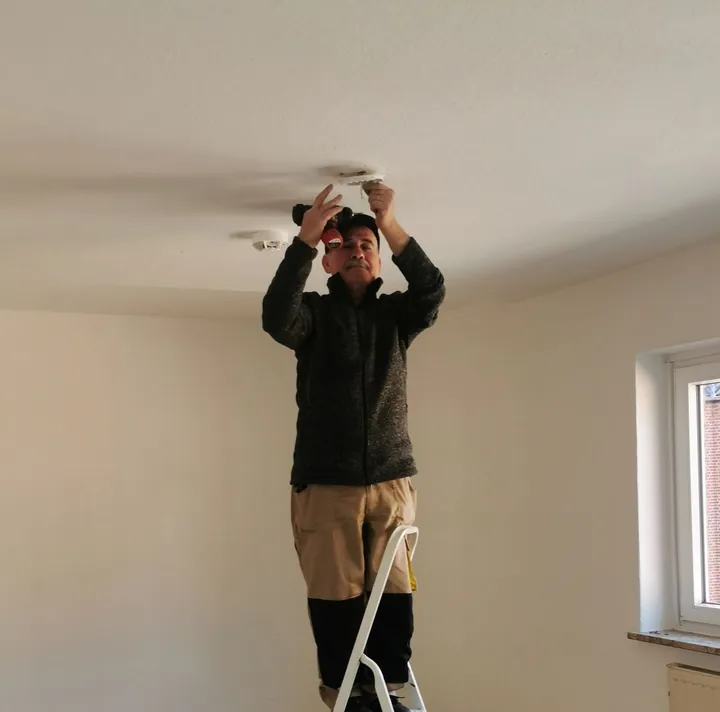
How Much Does It Cost to Install a Ceiling Fan on a High Ceiling
A high ceiling adds labor and parts to the job. The installer needs a tall ladder or a scaffold, a longer downrod to bring the fan down to the right height, and often a second person to hold the fan while it is wired. A high ceiling add on runs $40 to $150, and a room with a ceiling over 15 feet costs more still.
Vaulted and sloped ceilings need a sloped ceiling adapter so the fan hangs level and spins without wobble. The adapter adds $10 to $50 in parts, according to Angi. Outdoor installs and rooms with no attic access also cost more, because the electrician has to open the ceiling and patch it afterwards.
What Size Ceiling Fan Do You Need
Size matters more than style. A fan that is too small will not move enough air, and a fan that is too large will overpower a small room and may hit the walls. ENERGY STAR publishes a simple sizing table that matches blade span to room size, and it is the standard most pros use.
| Room size | Blade span | Room example |
|---|---|---|
| Up to 75 square feet | 29 to 36 inches | Small office or bathroom |
| 76 to 144 square feet | 36 to 42 inches | Bedroom up to 12 by 12 feet |
| 144 to 225 square feet | 44 inches | Living room up to 15 by 15 feet |
| 225 to 400 square feet | 50 to 54 inches | Large living room up to 20 by 20 feet |
| Over 400 square feet | 56 inches or larger, or two fans | Great room or open plan space |
Height matters as much as span. ENERGY STAR guidance says the blades must sit at least 7 feet above the floor, and the best airflow comes when the blades sit 8 to 9 feet above the floor. The blade tips also need at least 18 inches of space from the walls, and the fan should sit in the middle of the room.
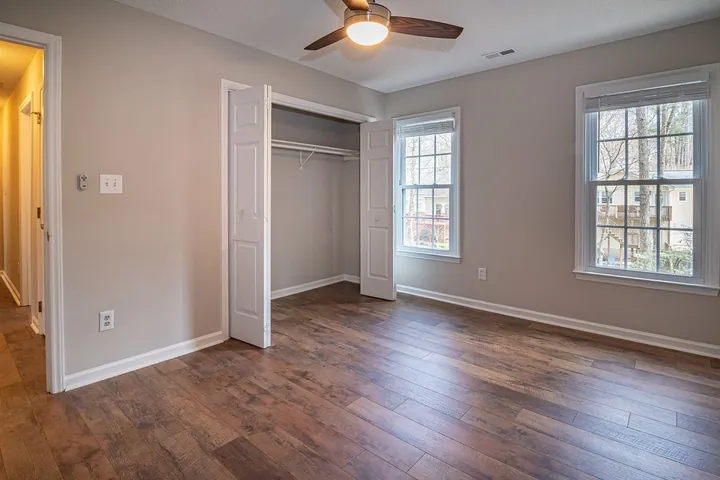
The downrod sets the height. A flush mount or hugger fan suits a ceiling under 8 feet, because it sits close to the ceiling.
A 10 foot ceiling needs about a 12 inch downrod, and a 12 foot ceiling needs about a 36 inch downrod, according to the Hunter downrod chart. Measure your ceiling before you buy, because the wrong rod length is the most common sizing mistake.
Airflow is measured in CFM, which means cubic feet per minute. A higher CFM number moves more air with each turn of the blades.
Check the CFM rating on the box when you compare fans, and look for the ENERGY STAR label if you want lower running costs. How much does it cost to install a ceiling fan in a large room? A 60 inch fan costs $150 to $600 before labor, according to Angi, and it may need a second person to hang it safely.
What Else Adds to the Bill
The part that surprises most people is new wiring. A room with no wiring at all is the dearest job on the list, because the work there includes new cable, a new box, and sometimes a new circuit. The question to ask is how much does it cost to install a ceiling fan there, and the answer starts with the wiring.
Expect $400 to $1,000 for the full job, fan included, according to HomeGuide. The extras below explain where that money goes.
A new circuit is the biggest extra. Angi puts a new circuit at $150 to $600, and it is needed when the room has no spare capacity on the existing circuit or when the fan and light together draw more than the circuit can carry. An older home with a small electrical panel may need a panel upgrade as well, which costs far more than the fan job itself.
Permits are a smaller cost, but they are easy to forget. A straight swap of one fan for another usually needs no permit.
New wiring or a new circuit usually needs one, and fees run $20 to $100, according to Angi. Some towns also require a final inspection that adds $25 to $75. Building permit costs vary by town, and your electrician will usually pull the permit and add the fee to the quote.
Controls and extras add up in small steps. A remote control or a wall control adds cost and setup time, and a smart fan needs Wi Fi setup as well.
A sloped ceiling adapter runs $10 to $50, a light kit runs $25 to $300, and removing and disposing of an old fan may be billed on its own.
How much does it cost to install a ceiling fan with a remote control? A remote adds to the fan price and to the setup time, so a smart fan install costs more than a basic pull chain install. Sales tax applies to the fan in most states, and in some states it applies to labor too.
A Worked Example for a 12 by 12 Bedroom
How much does it cost to install a ceiling fan in a 12 by 12 bedroom? Here is a line by line example for the most common case: a bedroom with an existing light fixture, a standard 8 foot ceiling, and a 44 inch fan with a light kit, which fits the ENERGY STAR table for a 144 square foot room.
| Item | Cost |
|---|---|
| 44 inch fan with light kit, mid range brand | $180 |
| Fan rated box and mounting hardware | $40 |
| Labor, 2 hours at $75 per hour | $150 |
| Permit, not needed for a swap | $0 |
| Total | $370 |
The total of $370 sits just above the Angi typical range of $146 to $360, because the fan has a light kit and the room needed a new fan rated box. A basic fan with no light kit would bring the same job down to about $280.
How much does it cost to install a ceiling fan in the same bedroom with no wiring? New cable, a new circuit, and a permit would add $400 to $600 to the bill, so the total would run $770 to $970.
Use this example as a check on your quotes. If a quote for a simple swap comes in far above $500, ask what is included and whether new wiring or a panel change is part of the price. If a quote comes in far below $150, ask whether the fan is included and whether the box is fan rated.
Should You Install a Ceiling Fan Yourself or Hire a Pro
A straight swap is the one ceiling fan job many homeowners can do themselves. The wiring is already there, the box is already fan rated, and the job is mostly a matter of following the instructions that come in the box. DIY materials such as wire connectors, a mounting bracket, and a voltage tester cost $10 to $40, according to Angi.
If you already know the DIY basics, a straight swap is a good first electrical job, as long as you turn off the power at the breaker and test the wires before you touch them. Never work on a live circuit, never trust a wall switch alone to cut the power, and never hang a fan from a box that is rated for a light only.
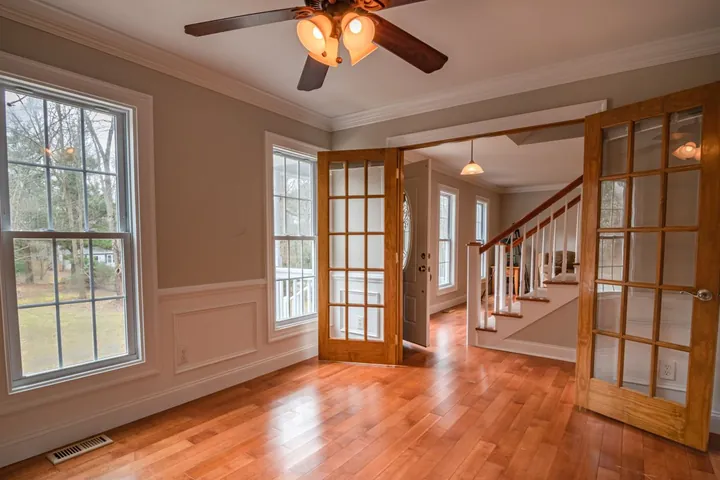
How Much Does It Cost to Install a Ceiling Fan Yourself
Doing it yourself saves the labor cost, which runs $100 to $300 for a straight swap. Your cost is the fan plus $10 to $40 in materials.
That saving is real, but it only applies to a swap. A new fan in a room with no wiring is electrician work, and many states only allow a licensed electrician to run new circuits.
Hire a pro when the job needs new wiring, a new circuit, a new box with no attic access, or work on a ceiling over 10 feet. Hire a pro as well if the ceiling is sloped, the fan is large or heavy, or you are unsure about the wiring in an older home. A licensed electrician also protects your home insurance, because some policies require electrical work to be done by a licensed pro.
How to Save Money on Ceiling Fan Installation
Buy the fan yourself and pay for labor only. How much does it cost to install a ceiling fan when you supply the fan? Labor only, $100 to $300 for a straight swap, according to ThePricer, and you avoid the markup a pro may add to the fan price.
- Replace an existing fan instead of adding a fan to a room with no wiring, because new wiring is the most expensive part of the job.
- Get three written quotes and compare the labor cost, the fan model, and what is included in each one.
- Install two or three fans in one visit and ask for a lower rate per fan, because the electrician is already on site.
- Book the job in the off season, when electricians have more open days and may offer a better rate.
- Pick a standard fan over a designer or smart model, unless you need the extra features.
- Clear the room and remove the old fan yourself, so the electrician starts work the moment they arrive.
Do not save money by skipping the fan rated box. A standard light box can fail under the weight and motion of a fan, and a falling fan is a safety risk. The box costs $25 to $75 in parts, and it is the one place where cutting corners is never worth it.
Ceiling Fans and Energy Bills
A ceiling fan is cheap to run. It uses 15 to 90 watts, and Angi puts the yearly running cost at $5 to $20, depending on how often you use it and what you pay for power. That is far less than running an air conditioner, and it is why a fan is a smart first step before you upgrade your cooling system.
A fan does not cool the air. It cools you, by moving air across your skin.
That is why the US Department of Energy notes that a ceiling fan can let you raise the thermostat by about 4 degrees Fahrenheit with no loss of comfort.
How much does it cost to install a ceiling fan compared with a new air conditioner? A fan costs a few hundred dollars installed, while a new air conditioner costs thousands, so a fan is a smart first step before a bigger cooling upgrade.
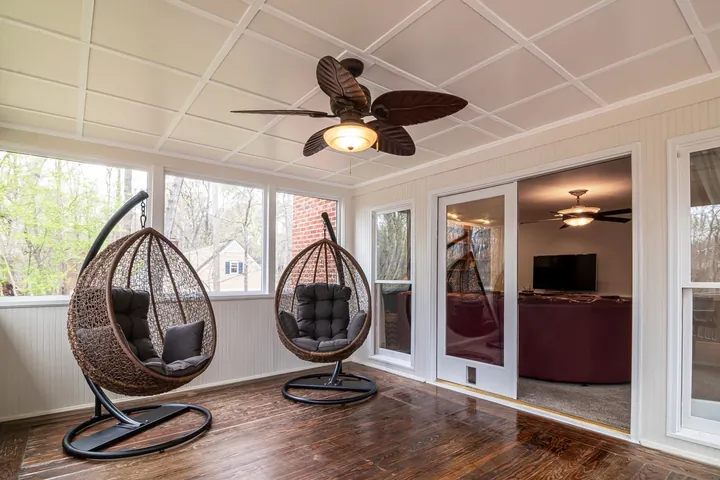
Direction matters through the year. In summer, the fan should spin counterclockwise when viewed from below, so it pushes a breeze straight down.
In winter, reverse it to clockwise at low speed, so it pulls cool air up and pushes the warm air that gathers near the ceiling back down into the room. Most fans have a small reversing switch on the motor housing.
Twice a year, five minutes. Keep the blades clean and the screws tight, and add the fan to your home maintenance checklist so it gets checked with the rest of the house.
A dusty fan moves less air and can wobble, and a wobbling fan wears out its mount faster. A quick clean twice a year is all most fans need.
Warranties, Maintenance, and Repairs
When you work out how much does it cost to install a ceiling fan over its whole life, warranties and repairs belong in the total, even though they never appear on the first quote. A fan costs about $5 to $20 a year to run, according to Angi, updated 25 September 2026, so the running cost is the smallest number in the whole job.
The manufacturer warranty typically covers parts and the motor for 1 to 5 years.
An extended warranty costs $20 to $100, and it is worth asking what it covers before you pay for it, because many exclude the motor after the first year.
Professional maintenance typically costs $50 to $150 a year, and it covers a clean, a balance check, and a look at the mount and the wiring. Common repairs cost $50 to $400: a wobble, a faulty switch, or a tired motor.
Replace the fan when it is over 10 years old, or when a repair costs more than half the price of a new fan. Sales tax adds 5 to 10 percent to the bill, and a faulty DIY install can affect an insurance claim, so check your policy before you wire a new fan yourself.
Related guides
- How Much Does a Building Permit Cost? 2027 Price Guide
- The Ultimate Home Maintenance Checklist for 2027
- DIY Basics for Homeowners: Essential Skills to Learn in 2027
Frequently Asked Questions
How much does it cost to install a ceiling fan with a light kit?
A fan with a light kit costs $200 to $450 before labor, according to Angi. Add $100 to $300 for a straight swap, so the installed total runs $300 to $750. The light kit adds wiring work, so expect the higher end of the range when the room needs a new box or new wiring.
How long does it take to install a ceiling fan?
A straight swap takes 1 to 2 hours. A new fan in a room with no wiring takes 3 to 4 hours or more, according to Thumbtack, because the electrician runs cable and fits a new box.
Do I need a permit to install a ceiling fan?
A straight swap of one fan for another usually needs no permit. You usually need one when the job adds new wiring or a new circuit, and fees run $20 to $100, according to Angi. Check with your local building department before work starts.
Can I install a ceiling fan myself?
Yes, if you only swap a fan on an existing fan rated box and you can turn off the power and follow the instructions. Hire a licensed electrician when the job needs new wiring, a new circuit, or work on a high ceiling.
How much does it cost to install a ceiling fan to replace an old one?
Replacing an old fan costs $150 to $500 with the new fan included, according to HomeGuide. Labor alone runs $100 to $300 when the wiring and box are already in place, according to ThePricer.
What size ceiling fan do I need for a 12 by 12 room?
A 12 by 12 room is 144 square feet, so ENERGY STAR guidance points to a 42 to 44 inch fan. Hang it so the blades sit 8 to 9 feet above the floor and at least 18 inches from the walls.
Stay safe with ceiling fan work. Always turn off the power at the breaker before you touch any wires, and test the wires with a voltage tester before you start.
A ceiling fan must hang from a fan rated box, because a standard light box is not built for the weight and motion of a fan. If you are unsure about the wiring, the box, or the ceiling support, hire a licensed electrician.
Sources: Angi ceiling fan installation cost data for 2026, based on 9,729 verified projects; Thumbtack ceiling fan installation cost data for 2026; ThePricer ceiling fan installation cost guide; ENERGY STAR ceiling fan sizing guidance; US Department of Energy guidance on ceiling fans and thermostat settings.