When to Replace HVAC Filters: A Homeowner Guide for 2027
Hold the filter up to the light on the first of the month: gray or clogged means it goes now, weak air from the vents means it goes now, and a standard one inch filter goes at 30 to 90 days even if it looks fair. That light test is how you decide when to replace hvac filters without guessing.
A heating, ventilation, and air conditioning system, usually called HVAC, pushes every bit of indoor air through one filter. That filter catches dust, pollen, pet hair, and lint before they reach the blower and the coils. When it clogs, less air gets through, rooms feel stuffy, and the system works harder than it should.
Here are the intervals for each filter type, in one place.
| Filter type | Replace every |
|---|---|
| Fiberglass | 30 days |
| Pleated 1 inch | 30 to 90 days |
| Pleated 4 to 5 inch | 6 to 12 months |
| Washable | Clean monthly, replace when it no longer washes clean |
This guide explains when to replace hvac filters, the signs that mean a filter is done, the intervals for each filter type, and how pets, allergies, and heavy use change the timing. It also covers costs, sizes, MERV ratings, and the simple swap itself, so you can make the call with confidence instead of guessing at the calendar.
What Are the Signs That a Filter Needs Replacing?
A filter rarely fails without warning. Most of the time it shows one or more clear signs, and any one of them tells you when to replace hvac filters, even if the date on the box has not arrived yet.
- The filter looks gray, brown, or matted with dust when you hold it up to a light
- Air from the vents feels weak, uneven, or whistling compared with normal airflow
- Dust settles on furniture faster than usual, especially near vents and returns
- Rooms take longer to heat or cool, and the system runs in longer cycles
- A musty or stale smell comes from the vents when the system runs
- Allergy or asthma symptoms get worse indoors for no other clear reason
- Energy bills rise without a change in thermostat settings or weather
- The filter is bent, torn, damp, or no longer fits snugly in its slot
Two of these signs deserve a fast response. Ice on the indoor coil or water pooling near the unit can point to restricted airflow or a deeper problem, so replace the filter, switch the system off if ice is present, and call a qualified technician if the problem returns. A burning smell or a gas smell is different again: stop, leave the area if you smell gas, and call a professional or your gas utility right away.
How Often Should You Replace Each Type of Filter?
There is no single date that fits every home for when to replace hvac filters, because filter thickness and material set the starting point. A thin fiberglass filter has little surface area, so it loads up fast. A thick media filter has deep pleats and far more surface, so it can last many months in the same home.
The United States Environmental Protection Agency runs ENERGY STAR, and its filter advice is blunt: look every month, change when dirty, and never go longer than three months. That monthly look is the habit that matters most, because it catches a filter that clogged early, long before the calendar would have told you to check.
| Filter type | Typical interval | Best for |
|---|---|---|
| Fiberglass, flat panel, 1 inch | Every 30 days | Basic equipment protection on a tight budget |
| Pleated disposable, 1 inch | Every 30 to 90 days | Most homes, better dust capture |
| Pleated disposable, 2 inch | Every 60 to 90 days | Homes that want a longer interval |
| Media filter, 4 inch to 5 inch | Every 6 to 12 months | Systems with a dedicated media cabinet |
| Washable reusable | Clean monthly, replace after years of use | Owners who clean on schedule |
Use the interval printed on your filter box as the starting point, then let the monthly check move the date earlier or later. A filter that still looks clean and passes the light test below has life left. A filter that looks gray and matted at 45 days is done at 45 days, even if the box says 90.
How Does Your Household Change the Timing?
Here is how each household condition changes the timing.
| Condition | Change to timing |
|---|---|
| Pets | Change sooner, check monthly |
| Allergies | Change sooner, keep MERV 11 or 13 where the system allows it |
| Renovation dust or wildfire smoke | Change sooner, check weekly during the event |
| System running almost nonstop | Change sooner, check monthly |
Household conditions can cut a filter interval in half. Pet hair and dander load a filter fast, and allergy homes need cleaner air passing through the system, so both situations call for earlier swaps. The same applies to renovation dust, wildfire smoke, and a system that runs almost nonstop in a hot or cold spell.
| Home situation | Check | Replace |
|---|---|---|
| No pets, low dust | Monthly | About every 90 days for a 1 inch pleated filter |
| One pet, moderate dust | Monthly | About every 60 days |
| Several pets or allergies | Monthly | Every 30 to 45 days |
| Renovation dust or smoke nearby | Every 2 weeks | When visibly dirty |
| Thick 4 inch to 5 inch media filter | Monthly | Every 6 to 12 months, sooner if loaded |
Season changes make good reminders. Check the filter when heating season starts and again when cooling season starts, and add a midseason check during the heaviest use. That rhythm matches the times when a clogged filter does the most harm, because the system is running hardest in summer and winter.
Add the monthly check to your home maintenance checklist, so it happens on schedule rather than when airflow already feels weak. A note on the calendar, or a date written on the new filter frame, is enough to keep the habit going.
How Can You Test a Filter in Under a Minute?
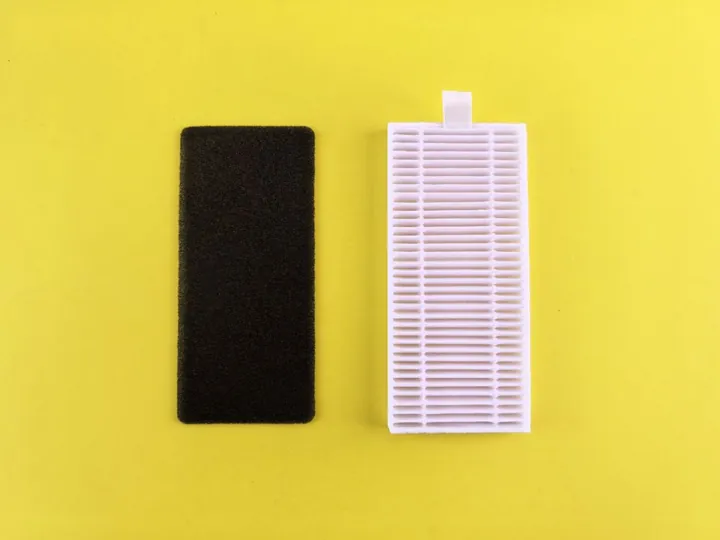
The light test is the fastest check for when to replace hvac filters, and it beats guessing from the calendar. Switch the system off, slide the filter out, and hold it up to a bright window or an overhead light.
If light passes through evenly and you can see the shape of the light source through the material, the filter still has life left. If the filter looks like a solid gray wall and almost no light gets through, it is done, even if it has only been in place for a few weeks. Uneven light, with bright patches next to dark clogged patches, means the filter is loading unevenly and should be replaced soon.
While the filter is out, run three more quick checks before you decide when to replace hvac filters. Look for tears, holes, bent frames, and pleats that have collapsed or pulled away from the frame.
Smell the filter for a musty odor that stays after handling. Check the fit by sliding it back in and feeling for gaps around the edges, because air that slips past the edges is air that never gets filtered at all.
What Does a Pressure Reading Tell You?
The light test is quick, but a pressure gauge gives you a number instead of a judgment call. A technician measures the pressure drop across the filter with a manometer, one probe before the filter and one after it, and reads the difference in inches of water column. A clean filter usually reads around 0.05 to 0.1, while a dirty one can read 0.3 or more, and the static pressure chapter of the RVCC Pressbooks book on heating, ventilating, and air conditioning puts the change point at a drop above 0.1, which is when to replace hvac filters by the gauge instead of the calendar.
That number also explains why a thick filter can be the better buy, because a MERV 13 filter in a one inch frame can pull 0.4 on its own when new, which leaves almost no room for dust before the system strains. The same rating in a 4 inch or 5 inch media filter reads far lower, because the deeper pleats spread the same air over much more surface. If a technician ever quotes you a pressure reading, ask for the number across the filter itself, and ask for the clean filter reading too, so the next number has a baseline, and use it to decide when to replace hvac filters instead of guessing from the calendar.
Source: Static Pressure Mapping, The Illustrated Book of Basic Heating, Ventilating, and Air Conditioning.
Should You Replace a Filter or Clean It?
The answer depends entirely on the filter type, and getting it wrong can damage the system, so read the label before you decide when to replace hvac filters. Disposable filters are made to be thrown away when dirty, so bin them. Washable filters are made to be cleaned and used again, and the label on the frame will say which type you own, so read it before you decide.
A cardboard frame means disposable, full stop, so do not wash it, because wet cardboard bends, warps, and falls apart, and the pieces can end up inside the unit. No label, and no way to confirm it is washable? Replace it rather than washing it, because a new pleated filter is far cheaper than a service call for a system damaged by a filter that fell apart inside it.
For the full wash routine, including drying time and the mistakes that ruin a washable filter, read our guide on how to clean hvac filters. Even a washable filter reaches an end of life after years of washing, when the mesh wears thin, the frame bends, or a cleaned filter still looks gray and still restricts airflow. At that point replacement is the cheaper fix.
What Does a Replacement Filter Cost?
Filter prices vary by size, material, and MERV rating, so use these figures as a planning range when you decide when to replace hvac filters, not as a quote for your exact size. Retail listings at The Home Depot show pleated filters commonly at $5 to $20 each in multipacks, with larger or higher rated filters costing more. A furnace filter guide from eheatcool.com, a heating and cooling company, lists fiberglass filters at $5 to $15 and washable filters at $30 to $80 at first purchase.
Take an ordinary home with one 16 inch by 25 inch by 1 inch slot and a pleated disposable filter at $12 each. Changing that filter four times a year costs $48 a year, or $240 over five years. That example uses a price near the lower middle of the pleated range, so your total moves up or down with the price you actually pay.
A fiberglass filter at $5 each, changed monthly, costs the same $60 a year, but it catches far less fine dust, so the saving is not a like for like comparison. A thick 4 inch media filter at $40 each, changed twice a year, costs $80 a year, yet it can suit a home that needs stronger filtration and fewer swaps. Buying a multipack usually lowers the price per filter, and keeping one spare on hand means a dirty filter never has to wait for a shopping trip.
How Do You Choose the Right Size and MERV Rating?
Size comes first when you decide when to replace hvac filters, because the wrong size defeats the whole job. Read the size printed on the old filter frame, such as 20 inches by 25 inches by 1 inch, and match all three numbers. If the old filter was the wrong size, measure the slot itself, or check the size printed on the unit or in the manual.
MERV stands for Minimum Efficiency Reporting Value. It is the scale that rates how well a filter catches particles of different sizes, and it is the first thing to check before you buy a replacement. Higher numbers catch smaller particles, but they also restrict airflow more, so a higher number is not always better for your system, and the manual has the last word.
As a rough guide, MERV 8 suits basic dust and lint capture in most homes, and it is the safe default when you are unsure. MERV 11 adds better capture of pet dander and mold spores, which helps allergy homes, and it is the step up I would try first before going any higher.
MERV 13 catches even finer particles, including many smoke particles, but only if your system is rated to handle that level of resistance. Check your system manual or the label near the blower before moving to a much higher rating, and ask a qualified technician if you are unsure.
How Do You Replace an HVAC Filter Step by Step?
The swap itself, once you know when to replace hvac filters, takes about five minutes, and it needs no tools in most homes. Work in order, and keep the old filter level as you pull it out so loose dust does not fall into the open slot.
- Switch the thermostat to off, so the blower cannot start while the filter is out
- Find the filter slot at the furnace or air handler, behind a return grille, or inside a filter cabinet
- Slide the old filter straight out, note the size on the frame, and note which way the airflow arrow points
- Write the date on the new filter frame, then slide it in with the arrow pointing toward the blower
- Push the new filter until it sits flush, with no gaps around the edges, then close the grille or cabinet door
- Switch the system back on and check the nearest vent for steady airflow after a few minutes
The arrow shows the direction of airflow, and it must point toward the blower and into the unit, never back toward the room. If you forget the direction, a photo of the old filter before removal will show it, and the manual for your system will confirm it.

What Mistakes Make a New Filter Fail Early?
The most common mistake is installing the filter backward, so the arrow points toward the room instead of toward the blower. A backward filter fits poorly, restricts airflow, and can bend or collapse under pressure. The second mistake is buying the wrong size and leaving gaps around the edges, which lets unfiltered air bypass the filter entirely.
Other mistakes are easy to avoid once you know when to replace hvac filters and how to fit the new filter. Do not run the system with no filter at all while you wait for a replacement, because unfiltered air coats the coil and blower with dust in a single day of heavy use.
Do not wash a disposable filter to stretch its life, because it can collapse inside the unit and block airflow. Do not ignore a filter that clogs again within days of replacement, because fast clogging can point to a duct leak pulling in dusty air, a return grille blocked by furniture, or construction dust in the home.
Finally, do not pick the highest MERV rating on the shelf without checking your manual. A system built for MERV 8 can strain, whistle, or even shut down with a filter that is too dense for it, and a filter that starves the blower costs more than it saves, so stay with the rating your manual recommends unless a technician confirms that a higher rating suits your system. MERV 8 to 11 is the sweet spot, and MERV 13 suits allergy homes where the system allows it.
When Should You Call a Technician Instead?
Filter swaps are an owner level job once you know when to replace hvac filters, but some symptoms belong to a professional. Call a qualified technician if airflow stays weak after a new filter is in place, if the system short cycles, which means switching on and off in quick bursts, or if ice keeps forming on the indoor coil. Those signs can point to a blocked coil, a duct issue, or a refrigerant problem, and none of those jobs belong in a filter swap.
Also call a professional if you see water pooling near the unit, frayed wiring, a burning smell, or mold growth covering a large area near the unit. Do not open sealed panels, touch refrigerant lines, or clean inside the coil or blower yourself. Those jobs call for training and proper tools, and a slip can injure you or wreck an expensive system, so they are not owner jobs at all.
Safety Notes Before You Start
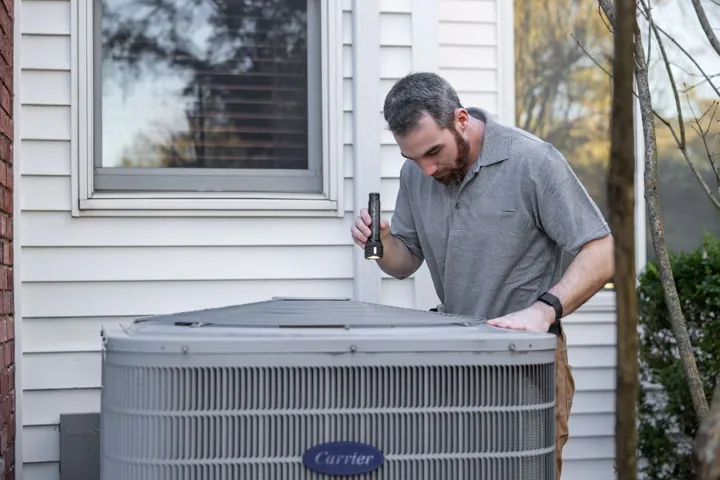
This is a simple home job once you know when to replace hvac filters, but it still involves electricity and moving parts, so switch the system off before you open any panel, and keep hands, tools, and loose clothing away from the blower. If anything looks wrong once the panel is open, stop and call a technician rather than pushing on.
If you smell gas, stop, leave the area, and call your gas utility or emergency services. If your home has asbestos insulation around old ducts, do not disturb that material and ask a licensed professional for advice.
Sources for this when to replace hvac filters guide: eheatcool.com furnace filter guide, fiberglass $5 to $15, washable $30 to $80; The Home Depot retail listings, pleated filters $5 to $20 in multipacks; RVCC Pressbooks static pressure chapter, change point at a drop above 0.1 inches of water column. All three links open the publisher guides directly.
Related guides
- How to Clean HVAC Filters the Right Way in 2027
- The Ultimate Home Maintenance Checklist for 2027
- HVAC Filters Maintenance Checklist: A Seasonal Guide for 2027
- HVAC Filters Maintenance: How Often to Check, Clean and Replace in 2027
Frequently asked questions
Can I just vacuum a disposable filter instead of replacing it?
Vacuuming can remove loose surface dust, but it does not restore a disposable filter that is loaded deep in the pleats. A vacuumed filter still restricts airflow and still lets fine dust through. Replace a disposable filter when it fails the light test or looks gray and matted, and save vacuuming for the first step of cleaning a washable filter.
Is it bad to leave a filter in for a whole year?
Yes, for a standard 1 inch filter, because it will clog long before a year passes and force the system to work harder for weaker airflow. A thick 4 inch to 5 inch media filter is the exception, since it is designed to last 6 to 12 months. Check any filter monthly, and use that check to decide when to replace hvac filters, whatever the calendar says.
Does a new filter really lower energy bills?
A new filter restores normal airflow, so the system does not need to run as long to reach the set temperature, and rooms warm up and cool down faster. How much you save depends on the home, the system size, and the climate, so no single dollar figure fits every house. What you get instead is steadier comfort, a blower under less strain, and less dust in the house over time.
What size filter do I need if the old one is missing?
Measure the slot where the filter sits, length by width by depth, and match all three numbers when you buy. Check the size printed on the unit or in the manual if the slot is hard to measure. A filter that leaves gaps around its edges lets unfiltered air bypass it entirely, so size matters as much as condition.
Should I buy the highest MERV filter available?
No, not without checking your system manual first. A higher MERV rating catches smaller particles, but it also restricts airflow more.
A system built for a lower rating can strain or shut down with a filter that is too dense for it. Use the highest rating your system can handle, and ask a technician when you are unsure.
Check it every month, and judge it by the light test or by its interval. Keep a spare on the shelf so a dirty filter never has to wait for a shopping trip, and decide when to replace hvac filters the same day you spot the signs.