How Much Does a Building Permit Cost? 2027 Price Guide
Most homeowners pay $525 to $3,114 for a building permit, with a national average of about $1,688 according to Angi. Simple trade permits can cost as little as $150, while large new construction permits can reach $8,500. So how much does a building permit cost for your job? Your city sets the fee.
A neighbor in Phoenix once showed me two quotes for the same addition, $900 apart, and the difference was the permit fee alone. I would never budget from the national average alone, because the same job can cost four times as much in one city as in another. Cities do not charge the same way, and they do not charge the same amount, so the worked example and the city table below matter more than the national average above.
What is the average building permit cost in 2027?
When people ask how much does a building permit cost, the honest answer starts with a wide range. Angi reports a national average of $1,688 for 2026 based on 167 verified projects from its pro network, and most homeowners paid between $525 and $3,114. That average is the best single number available for 2027 planning, since permit fees move slowly from year to year and local governments update fee schedules on their own cycles.
The spread exists because a permit is not one flat product. A water heater swap and a two story addition both need permits, but the office does very different amounts of work on each file. Your fee buys plan review, scheduled inspections, and a final sign off, and bigger projects consume more staff time at every step.
How much does a building permit cost by project type?
The fastest way to estimate how much does a building permit cost for your job is to match it to a project type. HomeGuide and other national cost trackers publish typical ranges, and the pattern is consistent across the country:
Take a small kitchen remodel as an example. Say the project value is $25,000 and your city charges a valuation based fee plus a plan check charge and two inspections.
The permit fee alone might come to $600 to $900, and the plan check and inspections sit on top of that. This is why asking how much does a building permit cost has no single answer: the same kitchen can cost far more or less to permit in the next city over, because each office sets its own fee schedule.
| Project | Typical permit cost |
|---|---|
| Electrical work | $50 to $350 |
| Plumbing work | $30 to $500 |
| Fence | $40 to $150 |
| Shed | $50 to $145 |
| Deck | $50 to $150 |
| Window replacement | $50 to $200 |
| Water heater | $25 to $250 |
| Roofing | $150 to $500 |
| Swimming pool | $100 to $300 |
| Demolition | $100 to $450 |
| HVAC system | $50 to $1,500 |
| Basement finishing | $200 to $1,000 |
| Bathroom remodel | $200 to $800 |
| Kitchen remodel | $500 to $1,500 |
| Room addition | $200 to $600 |
| New home construction | $1,200 to $7,000 |
These are permit fees only. They do not include the contractor’s labor, materials, or the plan drawings themselves. On a kitchen remodel, a $500 to $1,500 permit is a small slice of a project that often runs into the tens of thousands, which is why the fee rarely decides whether a project happens.
What the fee does affect is cash flow at the start, since most offices require payment before they stamp the plans.
How are building permit fees calculated?
To really understand how much does a building permit cost in your town, it helps to know the three formulas offices use. Many jurisdictions set fees based on the declared value of the work, according to permit specialists at Permit Pushers. The office applies its fee schedule to a standardized construction value, often drawn from the International Code Council’s Building Valuation Data table, rather than trusting your contractor’s quote.
As the value rises, the fee rises with it, usually in stepped brackets.
The second method is a flat fee schedule. Small trade permits, such as a water heater or a panel upgrade, often carry one fixed price no matter who does the work. The third method charges per square foot, which is common for additions and new construction.
Many offices mix methods, for example a flat fee for the application plus a valuation based charge for the structure itself.

Plan review is usually a separate line item. Permit Place notes that review fees commonly add 50 to 65 percent on top of the base permit fee, so a $400 base fee can become roughly $600 to $660 once review is included. Always ask the office for the all in total, not just the headline number.
A worked example from Phoenix, and what five cities charge for the same job
Phoenix bases its building permit fee on the project valuation, using the higher of the value you declare or the value the city assigns. On a project valued at roughly $250,500, the city fee table produces a permit fee of about $1,958, and the fee rises in steps as valuation climbs. That is the arithmetic behind the range in the first paragraph, and it is why a flat national average misleads anyone asking how much does a building permit cost: the same plans cost a different amount in every city.
Permit Pushers ran one identical project, a $500,000 commercial renovation, through five cities. Houston came in near $4,800, Phoenix near $8,200, Chicago near $12,500, Los Angeles near $15,800, and New York City near $18,400. Same plans, same scope, nearly four times the cost from the lowest city to the highest, driven by local fee schedules, plan review policies, and added charges.
| City | Permit fee for the same $500,000 renovation |
|---|---|
| Houston | About $4,800 |
| Phoenix | About $8,200 |
| Chicago | About $12,500 |
| Los Angeles | About $15,800 |
| New York City | About $18,400 |
As a rough rule, permit fees run about 1 to 3 percent of total construction value, with plan review adding roughly 50 to 65 percent on top of the base permit fee, according to Permit Pushers. The International Code Council updates its Building Valuation Data from time to time, and fees calculated that way move with it, according to Permit Pushers, How Much Does a Building Permit Cost, 2026 guide.
What makes the price go up or down?
Five factors drive most of the difference in how much does a building permit cost from one project to the next, and project type matters most. Structural work costs more to permit than cosmetic work, because it needs engineering review and multiple inspections.
Second, project size. Larger footprints and higher declared values push fees into higher brackets. Third, location.
Fee schedules are local, and two neighboring towns can charge very different amounts for the same deck. Fourth, trade permits. Electrical, plumbing, and mechanical work often need separate permits on top of the main building permit, each with its own fee.
Fifth, code complexity. Projects that touch structural, fire, or floodplain rules need more review time, which shows up in the fee.
Angi’s city level data shows the geography of how much does a building permit cost clearly. Typical building permit ranges look like this: Dallas and Houston $410 to $2,600, Chicago $430 to $2,700, Phoenix $500 to $3,180, Portland $500 to $3,200, New York City $560 to $3,520, and Los Angeles $640 to $4,080. Coastal cities with higher construction values and stricter review tend to sit at the top of the range.
Which extra fees can appear on the bill?
The base fee is rarely the whole story, and this is where the headline fee gets more useful once you count the extras too. Common add ons include plan review at 50 to 65 percent of the base fee in many offices, impact or development fees on new construction that can push total government charges to $10,000 to $30,000 in some cities according to Permit Pushers, the certificate of occupancy that declares the building legal to occupy, reinspection fees if an inspection fails and the inspector must return, renewal fees if the project runs past the permit’s expiration date, and expediter fees of $200 to $1,000 if you hire a permit expediter to shepherd a complex application through the office.
Impact fees deserve special attention on new builds. They fund roads, schools, and utilities strained by growth, and they dwarf the permit fee itself in fast growing suburbs. Always budget them separately when you price a new home project.
What happens if you build without a permit?
Skipping the permit is the most expensive way to save money on fees. Permit Pushers reports that after the fact penalties are commonly double the original permit fee, and that is before any other costs. The building department can issue a stop work order that idles your contractor while you pay daily delay costs.
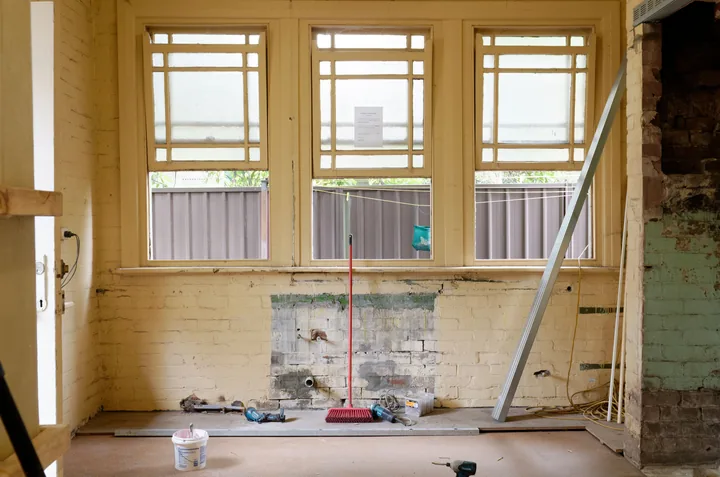
Inspectors may require you to open finished walls so they can see the wiring and plumbing, which means paying for demolition and repair of work you already paid for once.
The damage lasts beyond the project. Unpermitted work can complicate a home sale, because buyers and their lenders ask for permit records. It can also affect insurance claims and refinancing.
In short, the permit is cheap protection for an expensive asset.
How can you keep permit costs down?
You cannot negotiate the fee schedule, but you can control what you actually pay in practice with a few smart moves.
Bundle the work: one permit that covers the kitchen, the bathroom, and the new deck usually costs less than three separate applications filed months apart. Submit a complete application, because missing drawings are the top reason permits get sent back for corrections, and every resubmission can add review charges and weeks of delay. Read the fee schedule first: most building departments publish it online, and knowing whether your office uses valuation, flat fees, or square footage tells you exactly where your project lands.
Let your contractor pull the permit, since licensed contractors do this weekly, know which trade permits a job needs, and spot paperwork gaps before the office does. Finally, ask about fee waivers or reductions: some jurisdictions discount permits for energy upgrades, accessibility improvements, or disaster repairs.
A note on safety
Permits exist because construction work can hurt people when it goes wrong. Electrical, plumbing, gas, and structural work should be done by licensed professionals, and a permit is not a substitute for skill. Never cover work before its inspection, never remove a stop work order on your own, and if a project involves load bearing walls, gas lines, or service panels, hire a pro even if your local rules would let you do it yourself.
When in doubt, call your building department and ask. They would rather answer a question than red tag a project.
So, how much does a building permit cost when all is said and done? For most homeowners in 2027, the realistic budget is $525 to $3,114 for the permit itself, plus any impact fees on new construction, with $1,688 as the national average from Angi’s 2026 data. Check your local fee schedule early, bundle your projects, and treat the permit as part of the project cost from day one.
It is one of the cheapest forms of insurance your renovation can buy. If you are still unsure what a specific project will cost to permit, ask your building department for its written fee schedule before you file.
Permit application checklist
Homeowners who ask how much does a building permit cost often forget the extras below, so work through this checklist before you file.
- Confirm which permit type covers your full scope of work.
- Prepare two full sets of plans plus a site plan.
- Ask for the fee schedule in writing, including plan check and inspection charges.
- Check whether zoning review applies to your lot before you apply.
- Budget for a revision if the reviewer asks for plan changes.
Related guides
If you are planning the budget for a permitted project, these Home Fix Daily guides will help you see the full picture:
- Home Improvement Costs in 2027: The Complete Price Guide with national averages for kitchens, bathrooms, roofing, painting, and flooring.
- When to Replace Water Heater: 7 Signs Your Tank Is Failing in 2027
- FHA 203k Renovation Loans Explained: Costs and Requirements on financing a renovation that needs permits, with current program rules.
- Building Permit Cost: What Homeowners Actually Pay with real 2027 averages, fees by project type, and ways to keep your bill low.
- How to Save Money on a Building Permit in 2027 with complete applications, smart scope, bundling, standard plans, and waivers.
- Radon Mitigation Cost in 2026: What Homeowners Actually Pay
- How Much Does a Kitchen Remodel Cost in 2027?
- Kitchen Remodel Cost in 2027: What Homeowners Actually Pay
- Bathroom Remodel Cost in 2027: What Homeowners Actually Pay
- The Ultimate Home Maintenance Checklist for 2027
- How Much Does It Cost to Remodel a Small Bathroom in 2027
- How Much Does a Shower Remodel Cost in 2027
- How Much Does It Cost to Repair a Roof in 2027
- How Much Does Spray Foam Insulation Cost in 2027
- How Much Does a New Front Door Cost in 2027
- How Much Does a 20×20 Stamped Concrete Patio Cost in 2027
Frequently asked questions
Do I need a building permit for a shed?
Often yes, but small sheds sometimes escape the requirement. Many jurisdictions exempt sheds under a certain size, commonly around 120 square feet, as long as they sit within setback rules. Larger sheds, sheds with electrical service, and sheds on concrete foundations almost always need permits.
Call your building department with the shed’s dimensions before you buy the kit.
How long does it take to get a building permit?
Simple trade permits are often issued the same day or within a few days. Standard residential permits usually take one to four weeks, depending on the office’s backlog and whether your drawings pass review on the first try. Large or complex projects can take two months or more.
Submitting complete plans is the single biggest factor you control.
Can my contractor get the permit for me?
Yes, and in many places this is the norm. Licensed contractors pull permits routinely and usually include the task in their project management. Just make sure the permit lists the contractor’s license number, and never let anyone ask you to pull an owner builder permit for work a contractor is actually doing.
That arrangement can void your consumer protections.
Does a building permit raise my property taxes?
It can, indirectly. Assessors learn about improvements through permit records, and a permitted addition that adds living space usually raises your assessed value. The permit itself does not trigger a reassessment in most places, but the finished improvement does.
Budget for the possibility when you plan an addition.
What happens if I already finished work without a permit?
You can usually apply for an after the fact permit, but expect to pay about double the normal fee, which answers how much does a building permit cost when you skip the line: roughly twice the regular price plus the cost of any corrections. The office may require you to expose finished work for inspection. It is still cheaper to fix it now than to discover the problem during a sale or an insurance claim.
Sources: Angi, “How Much Does a Building Permit Cost? [2026 Data]” (updated September 2026); HomeGuide project cost data; National Association of Home Builders, “Regulatory Costs Jump 40% in Five Years” (June 2026); Permit Pushers permit fee guide; Permit Place building permit guide; International Code Council Building Valuation Data.