How Much Does It Cost to Paint a Room? 2027 Price Guide
How much does it cost to paint a room? Angi reports an average near $1,100 for a professional job, with most rooms falling between $200 and $2,000 depending on size and finish.
A careful do it yourself job costs $100 to $300 in paint and supplies. Our small bedroom came in at $300 to $600, walls only and two coats.
Our bedroom went from tired to finished in a single weekend, and the only thing that changed was the paint on the walls. A fresh color can brighten a dark bedroom, tidy up a scuffed hallway, or make a living room ready for guests. The price gap between hiring a painter and doing the work yourself is large, so it helps to know the cost to paint a room before you start.
A normal quote covers labor, paint, primer where it is needed, and basic prep like filling small nail holes and taping trim. Ceilings, doors, heavy repairs, and a color change from dark to light usually cost extra. Before you compare two quotes side by side, ask what each one actually includes.
Professional painting costs
What is the cost to paint a room when you hire a professional? Angi data updated 28 October 2026 puts the national average near $1,100, with professional labor typically charged at $2 to $6 per square foot of wall space. Small rooms often land near $300 to $600, while large living rooms can reach $900 to $2,000.
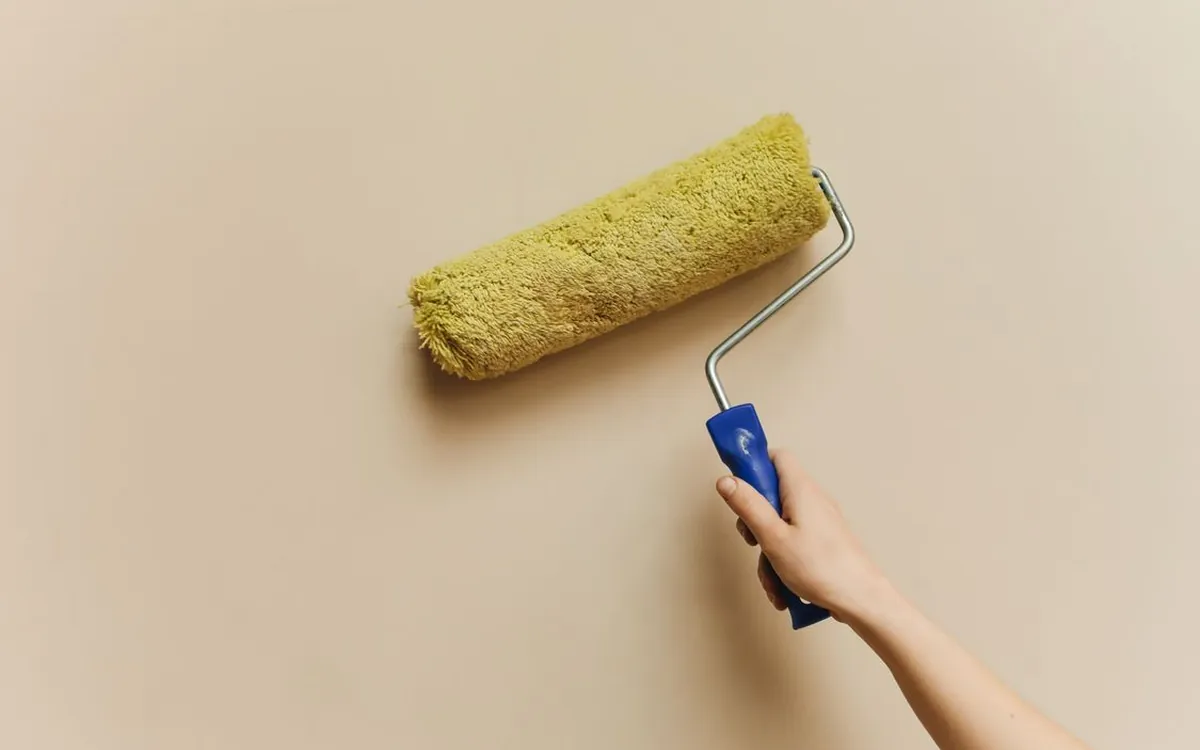
Labor is the biggest part of a professional bill. Painters bring experience, speed, and clean lines, and they also bring their own brushes, rollers, sprayers, and drop cloths. That skill is why labor often makes up most of the total, while paint itself is a smaller share.
A standard room with 8 foot ceilings, smooth walls, and one color is the cheapest professional job. Tall ceilings, textured walls, damaged plaster, or lots of trim add time, and time is what you pay for. A room that needs two coats over a dark color will also take longer than a simple refresh in the same shade.
Cost by room type
A small room runs $300 to $600 professionally, and a large living room can reach $900 to $2,000, using the ranges already in this guide. That is the short answer to the cost to paint a room at each size.
| Room size | Floor area, about | Professional cost |
|---|---|---|
| Small room | 100 square feet | $300 to $600 |
| Medium room, 12 by 12 feet | 144 square feet | $300 to $750 |
| Large living room | 300 square feet | $900 to $2,000 |
Small rooms cluster near the bottom of the range, and large living rooms set the top, which is why the price has no single right answer.
Angi puts the average near $1,100, while Thumbtack puts the typical job near $593, with most rooms between $364 and $965. The two numbers measure different things. Angi averages full professional jobs across room sizes, including large living rooms that reach $2,000.
Thumbtack counts the typical single room job, with walls and ceiling sealed, primed, and painted in one color with two coats. CalcMyProject prices a 12 by 12 bedroom at $550 to $1,100 with ceiling and trim included, which sits between the two averages. Read the scope before you compare the averages, and the gap makes sense.
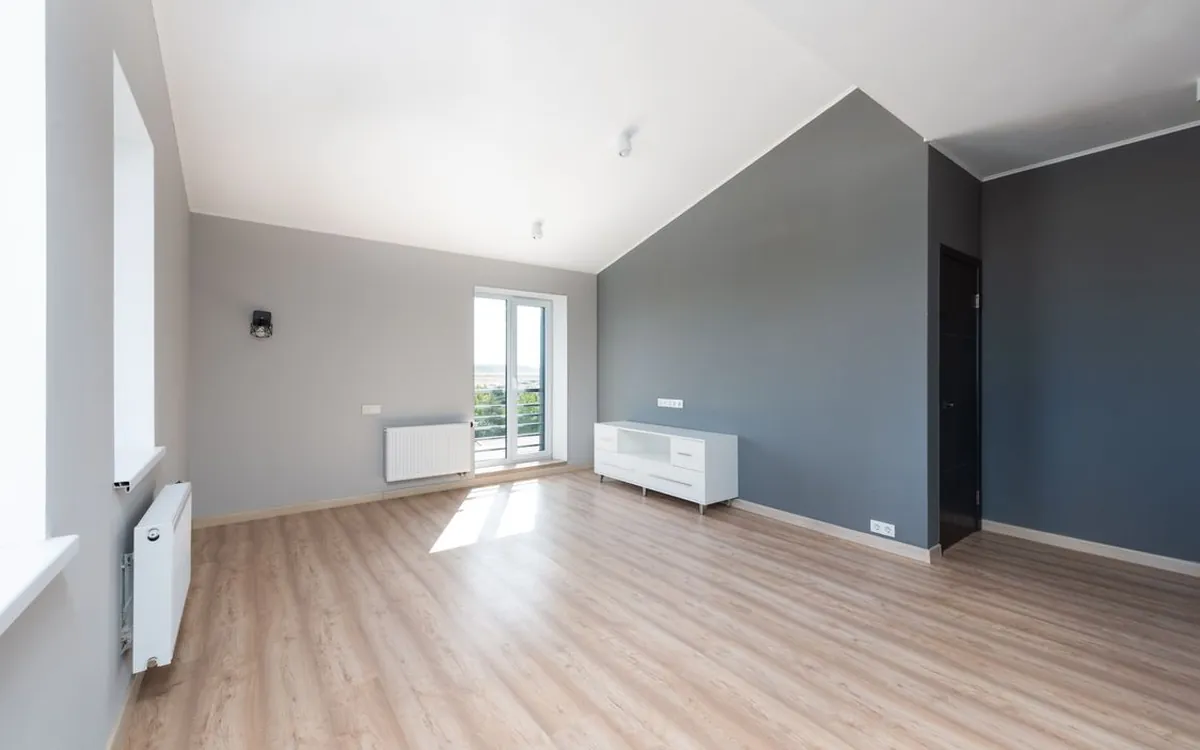
Angi lists average professional costs by room type, and bedrooms sit at the low end while living rooms and kitchens sit higher. That pattern is the short answer to the cost to paint a room by type. Room size and use drive the price more than anything else, and bathrooms are cheapest because they are small, while living rooms cost most because they have more wall space and often more trim.
| Room | Professional cost | Typical DIY materials cost |
|---|---|---|
| Bathroom | $200 to $400 | $75 to $150 |
| Bedroom | $300 to $750 | $100 to $300 |
| Kitchen | $300 to $750 | $100 to $300 |
| Living room | $900 to $2,000 | $200 to $500 |
| Stairway | $350 to $450 | $150 to $300 |
Treat every figure here as a guide, not a fixed quote. A bedroom with a walk in closet, a bay window, or a built in bookcase costs more than a plain box room of the same size. Your town matters too, because labor rates in large cities run higher than in smaller towns.
Ceilings, trim, and doors often sit outside the main price. Angi puts trim and baseboards at $1 to $3 per linear foot, and a ceiling at $1 to $6 per square foot. If your quote says nothing about ceilings or trim, ask whether they are included.
What does a do it yourself job cost?
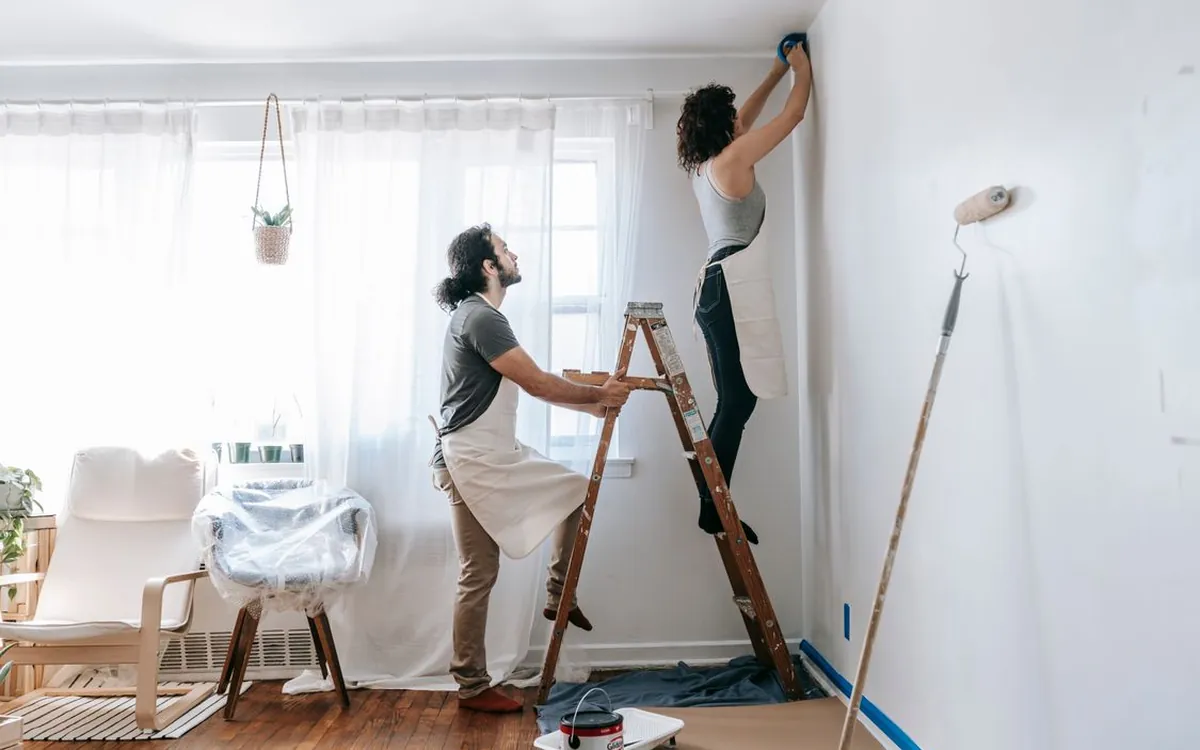
What does a do it yourself job run? A do it yourself job usually costs $100 to $300 for paint and supplies. That figure assumes you already own a ladder and basic tools, and that you buy mid range paint, while buying everything from scratch adds $50 to $100 for rollers, brushes, trays, tape, and drop cloths.
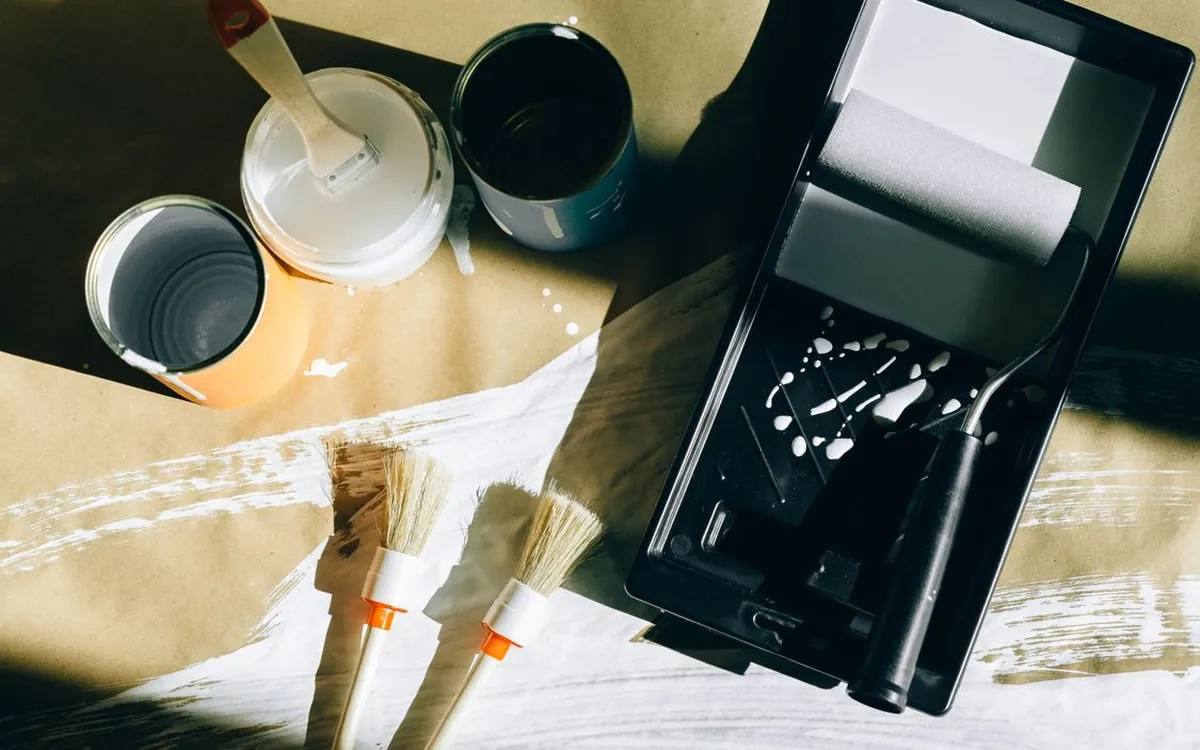
Paint is the main material cost when you ask about the price of painting a room. Angi reports paint at $20 to $70 per gallon, with most quality interior paints falling between $25 and $60 per gallon. One gallon covers about 350 to 400 square feet with one coat, so a 12 by 12 bedroom needs about two gallons for two coats.
Primer runs $10 to $20 per gallon when the job needs it. New drywall, stains or water marks, bare wood, and a change from a dark color to a light one all call for primer. For a simple repaint in a similar color, a paint and primer mix is often enough.
Supplies beyond paint include a roller frame and covers, an angled brush for edges, a paint tray, painter tape, drop cloths, and spackle for small holes. Buying a kit from a retailer such as Home Depot or Lowes can save money compared with buying each item alone. Borrow a ladder and an extension pole from a friend if you can, since those are the priciest one off items.
Paint types and finishes explained
Latex paint, also called water based paint, is the most popular pick for interior walls. It dries fast, washes up with water, and holds up well in bedrooms, living rooms, and hallways. Behr, Sherwin Williams, and Benjamin Moore all sell strong latex options in a wide range of colors.
Oil based paint costs a little more and is harder to clean up, but it gives a hard finish that suits doors and trim. Most homeowners now use latex on walls and save oil based paint for trim that takes a lot of wear. Check the label on your old paint before you start, since latex over oil based paint needs proper prep to stick.

Finish matters as much as paint type. A flat or matte finish hides wall flaws but is harder to clean, so it suits adult bedrooms and ceilings.
Eggshell and satin finishes wipe clean easily and suit living rooms, hallways, and family rooms. Semi gloss and high gloss finishes are the toughest and easiest to clean, so they suit kitchens, bathrooms, doors, and trim.
Glossier paint usually costs a little more per gallon. It also shows every bump and brush mark, so walls need more prep before a gloss coat. If your walls are not perfectly smooth, a satin finish is a safer and more forgiving choice.
What changes the final price?
Larger rooms need more paint, more time, and more labor, so they cost more in a straight line, and that is the first thing to check when you work out the wall area. Measure each wall, multiply length by height, and subtract doors and windows to get a fair sense of your wall area before you ask for quotes.
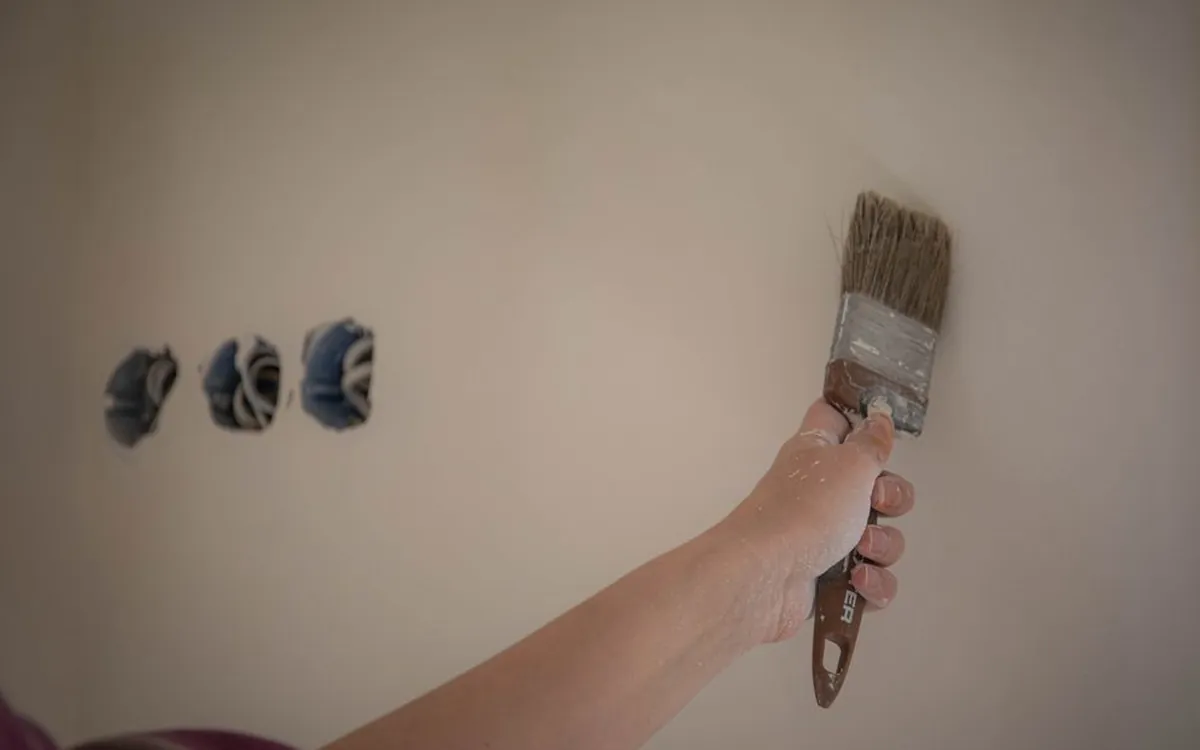
The state of the walls is the second factor. Cracks, dents, peeling paint, and water stains all need patching, sanding, and priming before the first coat goes on. A room in good shape may need only a light sand and a wipe down, while a damaged room can add hours of prep to the bill.
Ceiling height, color change, and number of colors also move the price. Rooms with ceilings above 8 feet need taller ladders or scaffolding, and a dark to light change often needs an extra coat. Painting an accent wall in a second color adds time for taping and cutting in, even though it uses little extra paint.
Location and timing matter too. Painters in high cost cities charge more per hour, and busy spring and summer months can bring higher quotes and longer waits. Booking in a quieter season, or being flexible on dates, can sometimes bring the price down.
One of the best ways to keep the total in check is to learn how to save money painting a room before you buy paint. Buying only the paint you need, doing your own prep, and choosing one color for the whole room can cut hundreds from the bill without hurting the finish. Before you buy, price it out with your chosen paint, so the saving is measured against a real figure.
A quick safety note
Homes built before 1978 may contain lead paint, and sanding or scraping it without proper safety steps can spread harmful dust. The US Environmental Protection Agency, known as the EPA, offers lead safe guidance, and older homes with peeling paint are best checked by a certified professional before you sand. Open the windows, wear a proper dust mask, keep children and pets out of the work area, and use a stable ladder rather than standing on chairs or furniture.
How to get a fair quote
I called three painters for a written price each before I hired a professional crew, and I asked each one to list labor, paint brand and finish, number of coats, prep work, and what is excluded. The three quotes answered what a professional crew charges in my town, not in a national table.
A quote with only a total price is hard to compare, while an itemized quote shows exactly where the money goes. Ask whether ceilings, trim, doors, and cleanup are included, and get it in writing.
Check reviews, ask for photos of recent work, and confirm that the painter carries insurance. A low quote that skips prep, uses thin paint, or leaves cleanup to you can end up costing more than a fair quote from a careful painter. The cheapest job is rarely the best value when it needs repainting in a year.
For a broader sense of what home projects cost overall, read about home improvement costs and where paint fits in a full renovation budget. Paint is one of the lowest cost upgrades, which is why it often comes first in a room refresh. Set that wider budget beside how much does it cost to paint a room on its own, and the paint share stays in proportion.
Before you commit, test your color. Buy small sample pots, paint large swatches on two walls, and look at them in daylight and at night. A color that looks perfect in a store can look very different under your own lights, and a sample pot is far cheaper than repainting a whole room.
Is painting a room worth the cost?
Painting is one of the cheapest ways to refresh a room, and it often pays back well at resale, which is why so many owners ask how much does it cost to paint a room before a sale. NerdWallet notes that interior painting returns value because buyers notice fresh, neutral walls right away, and a clean paint job makes a home feel cared for even when nothing else has changed. Fresh paint makes a home feel cared for, even when nothing else has changed.
It also protects your walls. A good coat of paint seals drywall, covers scuffs, and makes walls easier to clean. In kitchens and bathrooms, a moisture resistant finish helps walls stand up to steam and splashes, and that protection is part of the value, not just the new color.
If you plan to sell soon, choose a light neutral color that appeals to many buyers. If you plan to stay, choose the color you love, since you will live with it every day. Either way, good prep and two full coats will give a finish that lasts for years.
Quote checklist
Use this short checklist when you compare quotes, so the answer to how much does it cost to paint a room is based on the same scope everywhere.
- Check whether prep, primer, and two coats are covered.
- Find out which paint brand, finish, and sheen level the price uses.
- Ask what coverage rate the painter allows per gallon.
- Confirm whether ceilings, trim, and doors are covered or extra.
- Get the full scope and the total price in writing.
- Exterior Painting Guide From Planning to Final Coat for 2027
Sources
Angi cost to paint a room guide, national average near $1,100 and per square foot labor rates. Thumbtack cost to paint a room guide, typical job near $593.
CalcMyProject cost to paint a room guide, 12 by 12 bedroom at $550 to $1,100 with ceiling and trim. External links in this article are nofollow.
Related guides
- How to Save Money Painting a Room
- DIY Basics for Homeowners: Essential Skills to Learn in 2027
- Home Improvement Costs in 2027: The Complete Price Guide
- Cost to Paint a Room: What Homeowners Actually Pay in 2027
- Interior Painting Guide From Prep to Final Coat for 2027
- How to Paint Living Room Walls Like a Professional for 2027
- Best Paint for Living Room Walls: Types and Finishes for 2027
- How Much Does Painting a House Cost in 2027
- How Much Does Interior Painting Cost? 2027 Price Guide
Frequently asked questions
How much does it cost to paint a room with high ceilings?
High ceilings add labor and equipment costs, since painters need taller ladders or scaffolding and more time to cut in edges safely. Expect to add $1 to $2.50 per square foot for ceiling work, plus extra for tall walls above 10 feet. Get a specific quote for tall rooms rather than using a standard room price.
How many gallons of paint do I need for one room?
One gallon covers about 350 to 400 square feet with one coat. A 12 by 12 bedroom has about 400 square feet of wall space once you subtract doors and windows, so plan on two gallons for two coats. Buy an extra quart for touch ups if your color is custom mixed.
Is it cheaper to paint a room yourself?
Yes, in most cases. A professional room job averages near $1,100, while a do it yourself job usually costs $100 to $300 in materials. The saving comes from labor, which is the largest part of a professional bill, and your time is the trade off, since a first time painter may need a full weekend for one room.
Do I need primer before painting a room?
You need primer for new drywall, stains, bare wood, and dark to light color changes. For a repaint in a similar color on walls in good shape, a paint and primer mix usually works well. Primer helps the top coat stick evenly and can save you a third coat on tricky walls.
How long does it take to paint a room?
A professional crew usually finishes a standard room in one day, including prep and two coats with drying time between coats. A do it yourself painter often needs two to three days for the same room, with prep on day one and coats spread across the weekend. Allow extra time for drying, cleanup, and putting furniture back.
A paint job should stay within reach whatever local prices look like, and the figure for how much does it cost to paint a room is only the starting point. Measure your walls first, pick a good paint in a finish that fits how the room is used, ask for itemized prices if you hire the work out, and give the prep the time it deserves if you paint it yourself. Follow those steps and the room will feel new again, with a finish you are proud of and a price you understand.