How Much Does Interior Painting Cost? 2027 Price Guide
How much does interior painting cost? Professional painters charge $2 to $6 per square foot, and the average job costs about $2,021, according to Angi data reported by NerdWallet. A single room usually runs $300 to $1,200, while a 2,000 square foot home runs $4,000 to $12,000.
Once the tape is off and the room is yours again, the price you paid comes down to paint quality, prep work, and your region.
A fresh coat is the cheapest way to make a room feel new. A light color opens up a dark bedroom, hides scuffs, and makes a living room ready for guests. The hard part is judging a fair price. Two painters can quote the same room hundreds of dollars apart.
Real 2026 prices from Angi, HomeAdvisor, and HomeGuide, plus paint prices from Benjamin Moore and Sherwin Williams, show how much does interior painting cost per square foot, by room, and for a whole house, plus what you save by painting it yourself.
How Much Does Interior Painting Cost per Square Foot?
Most painters charge $2 to $6 per square foot, and that rate is how much does interior painting cost per square foot in most homes.
The national average sits near $3.50 per square foot for walls only, according to HomeAdvisor 2026 data, and that rate covers two coats, basic prep, and standard 8 foot ceilings.
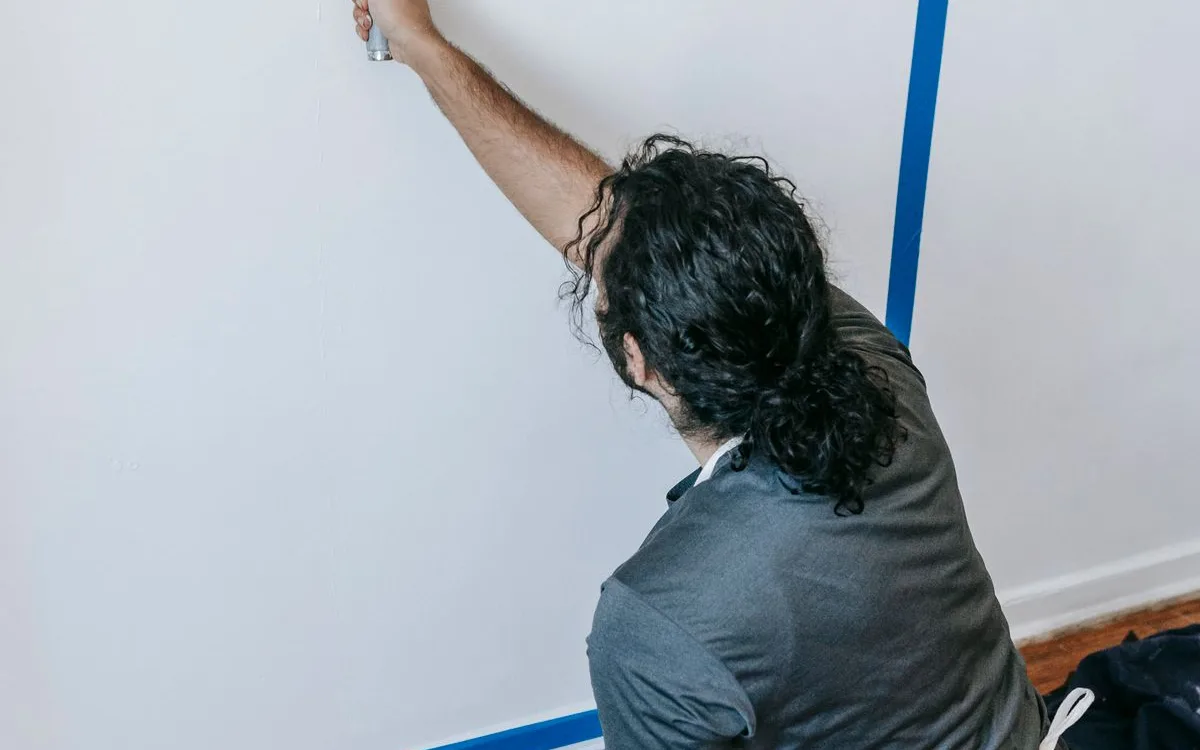
The square foot figure confuses people, so ask what it covers before you compare quotes. Some painters price by wall surface, the area you actually paint.
Others price by floor area, which is the size of the room. A 12 by 12 bedroom has about 384 square feet of wall surface but only 144 square feet of floor, so the same rate gives a very different total.
Labor is the largest share of the bill. Angi reports that labor makes up 75 to 95 percent of a professional painting quote, according to NerdWallet, while paint makes up only 10 to 15 percent. So the painter matters far more than the paint brand.
| Scope | Cost per square foot | 2,000 square foot home |
|---|---|---|
| Walls only | $2 to $3.75 | $4,000 to $7,500 |
| Walls and ceilings | $3 to $5 | $6,000 to $10,000 |
| Walls, trim, and ceilings | $4.50 to $6.75 | $9,000 to $13,500 |
These figures are guides, not fixed quotes, so confirm whether the rate covers the ceiling and the trim before you sign anything.
How Much Does Interior Painting Cost by Room?
The room sets the price more than anything else, because bigger rooms have more wall space, more trim, and more corners to cut in, which is why how much does interior painting cost by room varies so much. Bathrooms are cheapest because they are small, while living rooms cost most because they are large.
| Room | Professional cost | DIY materials cost |
|---|---|---|
| Bathroom | $200 to $400 | $75 to $150 |
| Bedroom | $300 to $750 | $100 to $300 |
| Kitchen | $300 to $750 | $100 to $300 |
| Living room | $900 to $2,000 | $200 to $500 |
| Hallway and stairs | $350 to $450 | $150 to $300 |
Take a 12 by 12 bedroom as a worked example. CertaPro Painters in Naperville prices the walls at $270, the ceiling at $110, the baseboards at $55, and each door side at $40, which adds up to about $515 for the full room.
Paint Medics, a painting company in Northeast Ohio, quotes the same size room at $300 to $750 all in. Your own quote will sit in that range unless the walls need heavy repair.
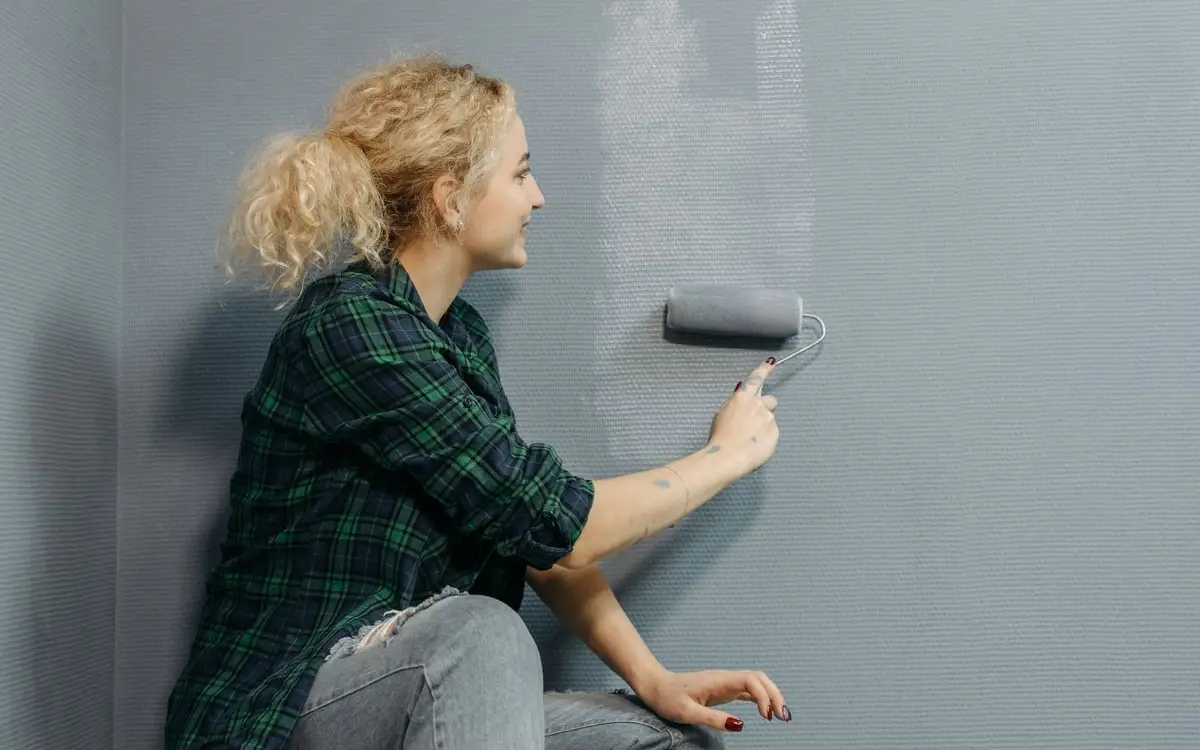
Kitchens and bathrooms cost more per square foot than bedrooms, even though they are smaller. Painters spend extra time cutting around cabinets, tile, pipes, and fixtures, and those rooms often need a moisture resistant finish.
How Much Does Interior Painting Cost for a Whole House?
A full repaint of a 2,000 square foot home usually runs $4,000 to $12,000 at the $2 to $6 per square foot rate for floor area. That band is how much does interior painting cost for a whole house in most cases. A smaller home costs less, and a larger home with tall ceilings costs more.
| Home size | Walls only | Walls, trim, and ceilings |
|---|---|---|
| 1,500 square feet | $3,000 to $5,625 | $6,750 to $10,125 |
| 2,000 square feet | $4,000 to $7,500 | $9,000 to $13,500 |
| 3,000 square feet | $6,000 to $11,250 | $13,500 to $20,250 |
The range is wide because no two homes need the same work. A home with smooth walls, one color, and standard ceilings sits near the low end, while a home with vaulted ceilings, many colors, or damaged walls sits near the high end.
For a broader view of whole home work, see what painting a house costs inside and out.
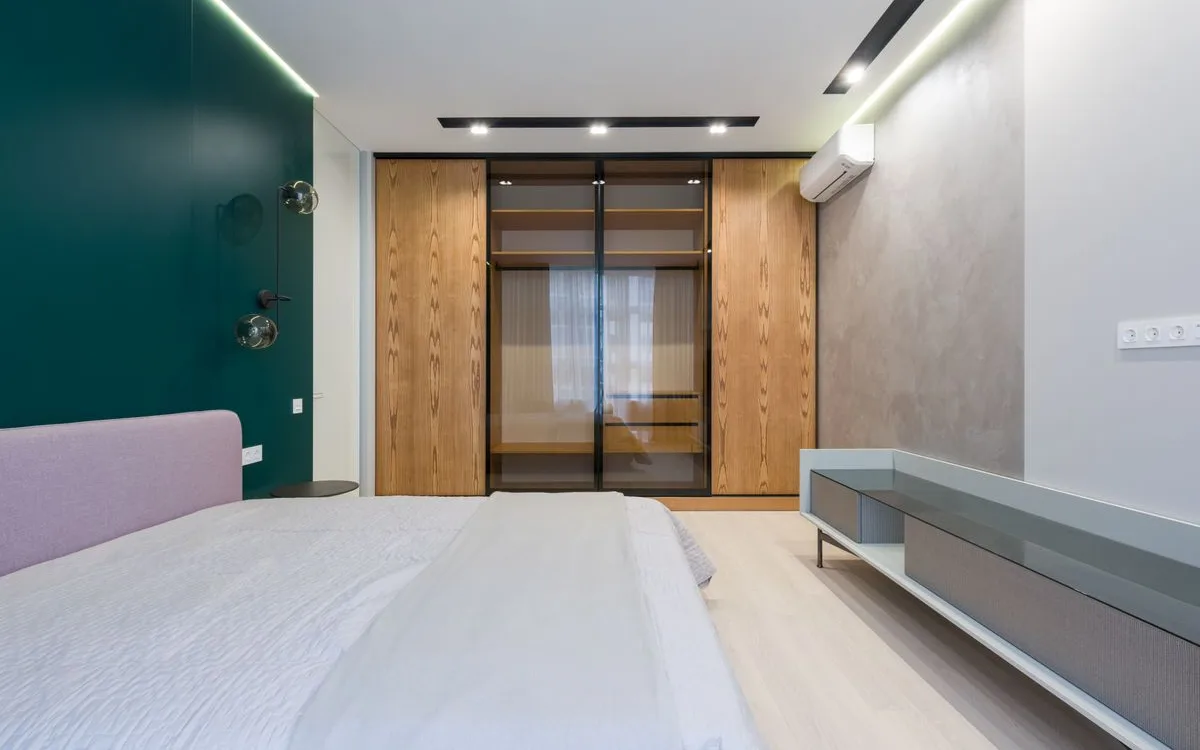
What Does a Gallon of Interior Paint Cost?
Paint is a small share of a professional bill, but it is the whole bill when you paint it yourself. A gallon of interior paint costs $26 to $109 or more at common stores, according to ThePricer in August 2026. Budget paint stays under $35 a gallon, mid range paint usually lands at $40 to $65, and premium paint can pass $80 to $100 a gallon.
Brand and product line set the price more than the brand name alone. Benjamin Moore lists ben at $60.99 a gallon, Regal Select at $78.99 to $84.99, and Aura at $108.99, while Sherwin Williams lists SuperPaint at $83.49, Duration Home at $95.99, and Emerald at $101.49, per SimplyWise price checks in August 2026. Sherwin Williams runs frequent sales of 30 to 40 percent off, so watch for a sale before you buy.
| Paint tier | Example product | Price per gallon |
|---|---|---|
| Budget | Valspar 2000 | $25.98 |
| Mid range | Benjamin Moore ben | $60.99 |
| Mid range | Sherwin Williams SuperPaint | $83.49 |
| Premium | Benjamin Moore Aura | $108.99 |
| Premium | Sherwin Williams Emerald | $101.49 |
One gallon covers 350 to 400 square feet with one coat. A 12 by 12 bedroom has about 333 square feet of wall after you subtract one door and two windows, so two coats need two gallons. Buy paint by the gallon, not by the quart, since a quart costs two to three times more per gallon.
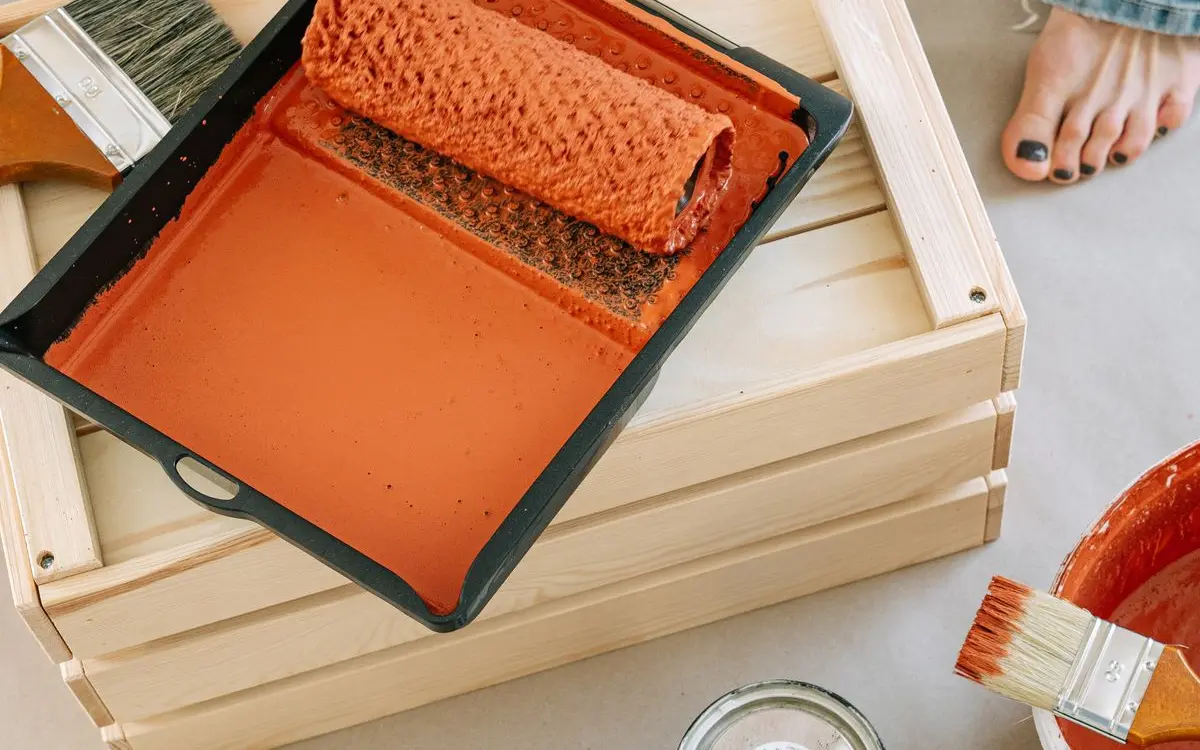
How Much Does Interior Painting Cost If You Do It Yourself?
A do it yourself bedroom usually costs $150 to $350 in materials, or $100 to $300 for a simple room if you already own a ladder and basic tools, and that price is how much does interior painting cost if you do it yourself. The saving is labor, which is 75 to 95 percent of a professional bill, according to Angi, and your time is the trade off.
Take one room as proof. A professional 12 by 12 bedroom costs $300 to $750, while two gallons of mid range paint cost about $120 to $220, plus $30 to $80 for tools. You keep $150 to $400, and you spend a weekend doing the work.
First time painters should start with one room, not a whole house. A single bedroom teaches you how to cut in edges, roll without lap marks, and keep a wet edge. For the full room by room math, see how much it costs to paint a room with a pro or on your own.
What Raises the Price of Interior Painting?
Five things push a quote up more than any others. Tall walls and high ceilings need ladders or scaffolding and more time. Damaged walls need patching, sanding, and primer before paint.
A dark color covered by a light color often needs a third coat, and homes in high cost cities pay more per hour for the same work.
Ceilings and trim are often priced apart from walls. Angi notes that a ceiling adds $1 to $2.50 per square foot in Phoenix and Chicago, and $2 to $6 in New York, according to Angi city pages, and trim and baseboards add $1 to $3 per linear foot. A room with tall baseboards, crown molding, and six panel doors can add hundreds, so ask whether trim is in your quote.
Region matters too. Painters in the Northeast often charge $5 to $8.50 per square foot, while painters in lower cost regions charge near the national low end.
The Bureau of Labor Statistics puts the median painter wage at $23.75 an hour as of May 2025, and shops in high cost cities bill well above that wage, so get three local quotes rather than trusting a national average.
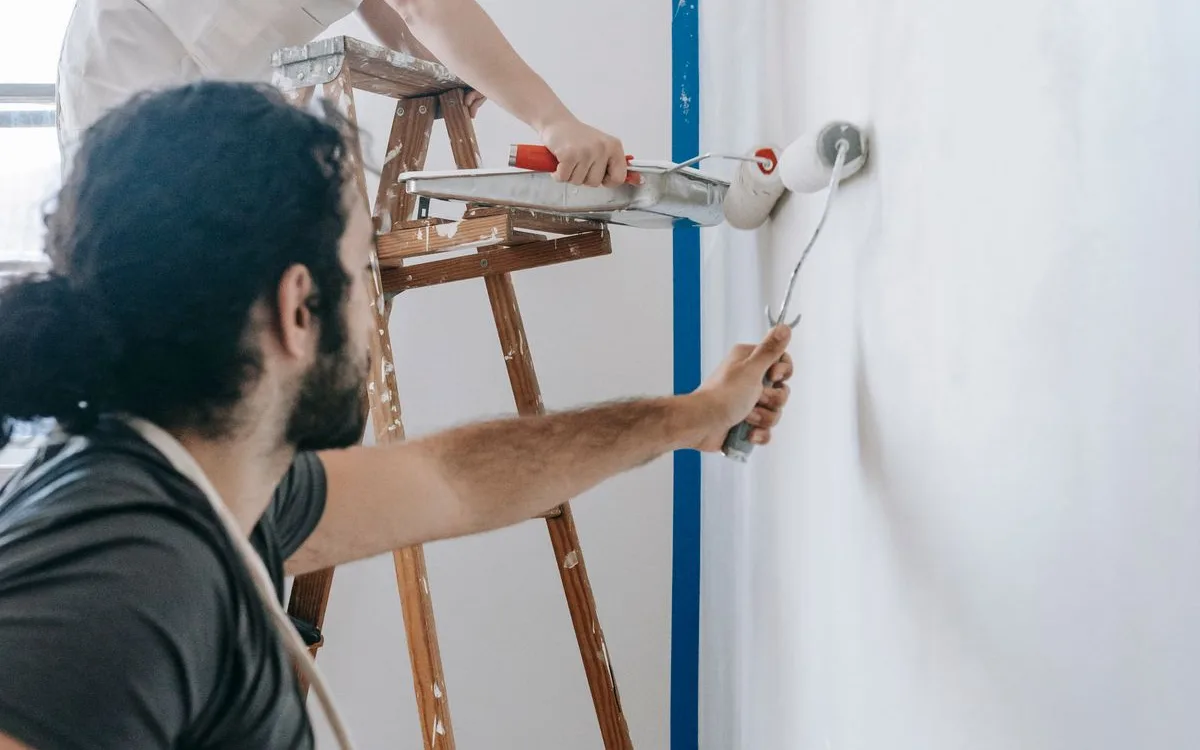
How to Measure Your Walls and Work Out the Cost
You can work out a fair price for your own home in ten minutes with a tape measure. Measure each wall from end to end, multiply length by height, and add the walls together. Then subtract 21 square feet for each door and 15 square feet for each window.
- Measure every wall, length times height, and add the totals.
- Subtract 21 square feet per door and 15 square feet per window.
- Double the wall area for two coats, then divide by 350 to find the gallons.
- Multiply the gallons by your paint price, then add $30 to $80 for supplies.
- For a pro job, multiply the wall area by $2 to $6 per square foot.
Try it on a 12 by 16 living room with 8 foot ceilings, one door, and two windows. The walls add up to about 448 square feet, minus 51 for the door and windows, which leaves 397 square feet.
Two coats need three gallons, which costs $180 to $330 in mid range paint, while a pro would charge about $900 to $2,000 for the same room, matching the living room band in the table above.
How to Pick a Paint Color Without Wasting Money
A wrong color is the most expensive mistake in interior painting, because it means buying paint twice. Buy small sample pots first and paint large swatches on two walls, one that gets daylight and one that does not. Look at them in daylight and at night before you buy full gallons.

Finish matters as much as color. Flat or matte paint hides wall flaws but is hard to clean, so it suits adult bedrooms and ceilings.
Eggshell and satin wipe clean with ease and suit living rooms and hallways. Semi gloss and high gloss are toughest and easiest to clean, so they suit kitchens, bathrooms, doors, and trim.
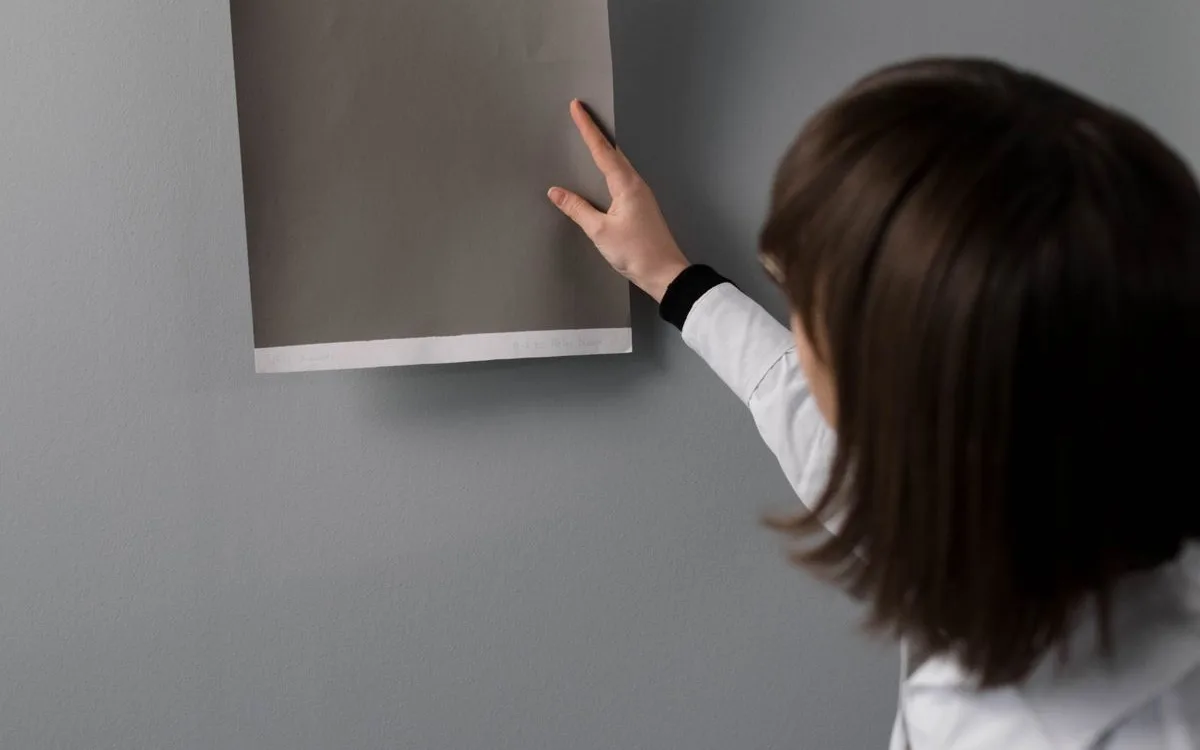
Buying only the paint you need and doing your own prep can cut the bill. Learn how to save money painting a room before you buy paint. If you plan to sell soon, choose a light neutral color, and if you plan to stay, choose the color you love.
How to Get a Fair Quote
Ask three painters for a price in writing, and ask each one to list labor, paint brand and finish, number of coats, prep work, and what is excluded. An itemized quote shows exactly where the money goes, while a total price alone is hard to compare.
Ask whether ceilings, trim, doors, and cleanup are included, and get the answer in writing. Check reviews, ask for photos of recent work, and confirm the painter carries insurance. A low quote that skips prep or uses thin paint can cost more than a fair quote from a careful painter.
Read our interior painting guide before the crew arrives, so you know what good prep and a clean finish should look like.
A Quick Safety Note
Homes built before 1978 may contain lead paint, and sanding or scraping it without proper safety steps can spread harmful dust. Under the federal Renovation, Repair and Painting rule, any firm paid to disturb painted surfaces in a home built before 1978 must be a lead safe certified firm, according to the Environmental Protection Agency. If your home is older and the paint is peeling, get a certified professional to check it first.
Work in a room with fresh air, wear a proper dust mask, keep children and pets out of the work area, and use a stable ladder rather than standing on chairs or furniture. Let each coat dry fully, and store leftover paint with the lid on tight, out of reach of children.
Is Interior Painting Worth the Cost?
Interior painting is one of the cheapest ways to refresh a home, and it often pays back well at resale, which is why so many owners ask how much does interior painting cost before they sell. NerdWallet notes that buyers notice fresh, neutral walls right away, and a clean paint job makes a home feel cared for.
Sources
Angi, NerdWallet, Benjamin Moore, Sherwin Williams, HomeGuide, Fixr, and the U.S. Bureau of Labor Statistics. These figures are national averages for 2026, so the written quote from your painter is the price that matters.
Related guides
- How Much Does Painting a House Cost in 2027
- How Much Does It Cost to Paint a Room? 2027 Price Guide
- How to Save Money Painting a Room: 2027 Guide
- Interior Painting Guide for 2027: Prep to Final Coat
- How Much Does Exterior Painting Cost in 2027
- How Much Does Hardwood Flooring Cost in 2027
Common Questions
How much does interior painting cost for a small apartment?
A small one bedroom apartment usually costs $1,000 to $2,500 for a professional repaint, while painting it yourself costs $200 to $500 in paint and supplies. The price depends on the number of rooms, the wall height, and how much prep the walls need.
How many gallons of paint do I need for a whole house interior?
A 2,000 square foot home has roughly 5,000 to 7,000 square feet of wall surface, so two coats need 28 to 40 gallons. Keep a spare gallon of your main color for touch ups.
Is it cheaper to paint the interior yourself?
Yes, in most cases. A professional job costs $2 to $6 per square foot, while a do it yourself job costs only paint and supplies, about $0.50 to $1.50 per square foot in materials. The saving is your labor, and the trade off is your time.
Do I need primer before interior painting?
You need primer for new drywall, stains, bare wood, and dark to light color changes. For a repaint in a similar color on walls in good shape, a paint and primer mix usually works well. Primer helps the top coat stick evenly and can save a third coat on tricky walls.
How long does interior painting take?
A professional crew usually finishes a standard room in one day, including prep and two coats with drying time between coats. A whole house takes several days to two weeks, depending on size and prep. A do it yourself painter often needs two to three days for one room.
Local prices will vary, but how much does interior painting cost is easy to answer once you follow four simple steps. Measure each wall before you buy, choose a good paint in the right finish, ask for itemized prices when you hire a painter, and take your time with prep when you paint it yourself. Do those steps and the finish will be smooth and the bill easy to trust.