How Much Does Painting a House Cost in 2027
How much does painting a house cost? A professional job runs $3,000 to $9,000 for the interior of a typical home and $3,000 to $8,000 for the exterior, at Angi rates. The final price depends on the size of the home, the number of stories, and the condition of the surfaces.
Two quotes for the same house can land $4,000 apart, and the paint itself is rarely the reason.
New paint can make a whole house feel different in a weekend, yet few home jobs confuse owners more when the quotes arrive. Two painters can price the same house thousands of dollars apart, and the paint itself is rarely the reason. The rest of this page answers how much does painting a house cost, what pushes the price up or down, and how to build a budget you can rely on.
Read the numbers in this guide as a rough plan, and expect your own price to land higher or lower. Local labor rates, the state of your walls, and the paint you choose all pull the total in different directions. Get three itemized estimates for your own home before you book a crew, and leave 10 to 20 percent of the budget untouched for peeling paint or repairs found once prep starts.
How Much Does Painting a House Cost for the Interior?
When homeowners ask how much does painting a house cost for the inside, the honest answer is that the room count matters as much as the floor area. Interior painting runs $2 to $6 per square foot of floor area, according to Angi, and a full interior repaint of a 1,500 to 2,000 square foot home typically costs $3,000 to $9,000. Angi puts the national average for an interior repaint at $2,022, with a full range of $350 to $5,800, because that figure includes single room jobs as well as whole home repaints.
Walls only cost the least, and the price climbs when ceilings, trim, baseboards, and doors join the job. Painters charge about $2 to $3.50 per square foot for walls only, and about $4.70 to $6.75 per square foot once ceilings, trim, and doors are included, according to Sensibledigs. A 12 by 12 foot bedroom runs $300 to $800, so a home with many small rooms costs more per square foot than an open plan home of the same size.
Interior painting is the part of the job most homeowners know best, because the crew works room by room around your furniture and your daily life. Our interior painting guide walks through prep, primer, cutting in, and rolling in the order a pro follows, so you know what a good crew should do in each room. If only one room needs paint, see what it costs to paint a room before you price the whole house.
| Home size | Typical interior cost |
|---|---|
| 1,000 square feet | $2,000 to $6,000 |
| 1,500 square feet | $3,000 to $9,000 |
| 2,000 square feet | $4,000 to $12,000 |
| 2,500 square feet | $5,000 to $15,000 |
Most whole home interiors land between $3,000 and $9,000, and the top of the range applies when ceilings, trim, and doors are included. Empty rooms cost less than lived in rooms, because the crew skips moving furniture and masking floors. Ask whether the quote includes moving furniture, patching nail holes, and painting closet interiors, because each item changes the total.
How Much Does Painting a House Cost for the Exterior?
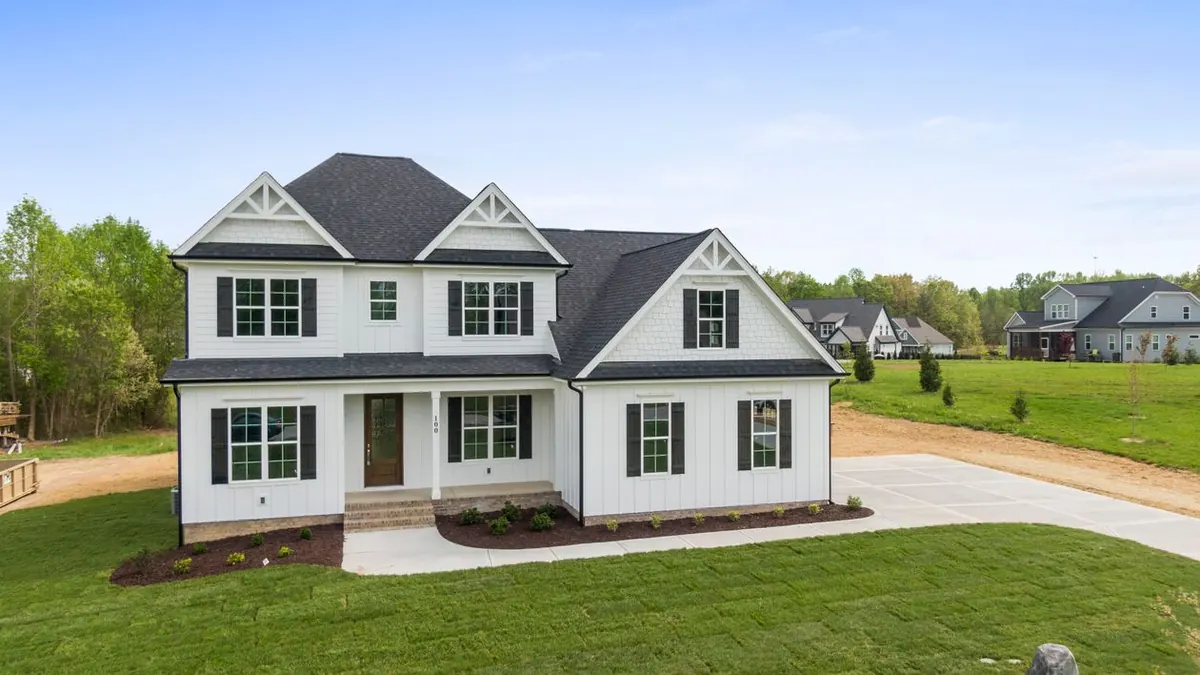
The same question comes up outside. The price for the exterior depends on the siding, the stories, and the prep, and those three things set how much does painting a house cost for your home. Angi puts the national average for an exterior repaint at $3,178, with most homeowners paying $1,819 to $4,551. Exterior work runs $1.50 to $4 per square foot, and a typical 2,000 square foot home lands between $3,000 and $8,000.
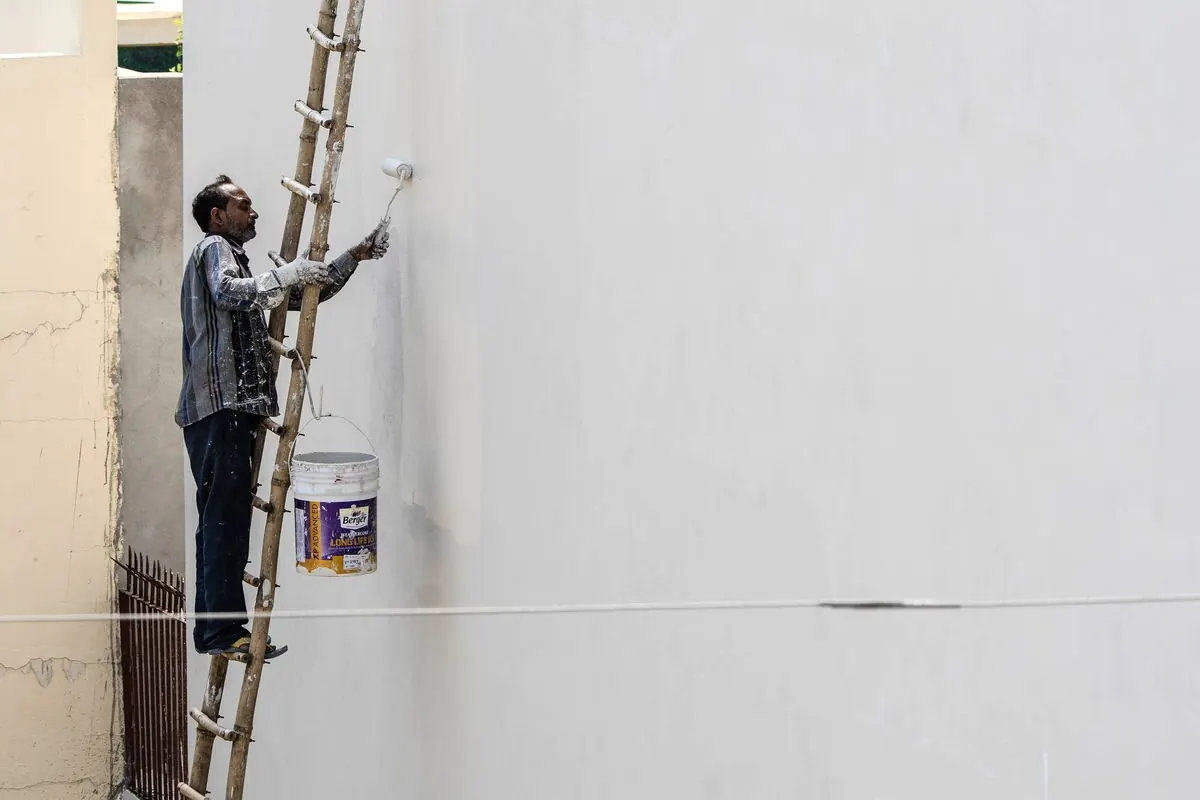
Two story homes cost more than one story homes of the same floor area, because the crew needs taller ladders or scaffolding and more time at height. Opendoor notes that a two story home can cost up to 50 percent more than a comparable one story home. Siding matters too: smooth wood and vinyl take paint easily, while rough stucco and brick soak up more paint and need more prep.
Exterior painting is a different trade from interior work, with washing, scraping, caulking, and weather to plan around. Our exterior painting guide covers the full sequence from washing to the final coat, so you can judge whether a quote covers every step.
Some cities ask for a permit before exterior work that changes the look of a home, and the fee is small next to the paint bill. Check building permit costs with your local building department before the crew starts, so a missing permit never stalls the job.
| Home | Typical exterior cost |
|---|---|
| 1,000 square feet, one story | $1,500 to $4,000 |
| 1,500 square feet, one story | $2,250 to $6,000 |
| 2,000 square feet, one story | $3,000 to $8,000 |
| 2,000 square feet, two stories | $4,500 to $12,000 |
| 2,500 square feet, two stories | $5,600 to $15,000 |
The table uses planning figures built from the $1.50 to $4 per square foot exterior rate, with two story homes at up to 50 percent above the one story price. A home with peeling paint, rotted trim, or many gables sits above these ranges, because prep and detail work add hours. A simple one story ranch in good shape sits at the low end.
How Much Does Painting a House Cost Per Square Foot?
The price per square foot for each surface is below, and it answers how much does painting a house cost per square foot, so you can compare quotes on equal terms. Ask every painter whether their per square foot price covers floor area or paintable wall area, because the two numbers never match. Paintable wall area is usually 2.5 to 3 times the floor area once every wall is counted, so a low rate on wall area can still mean a high total.
| Surface | Cost per square foot | Notes |
|---|---|---|
| Interior walls only | $2 to $3.50 | Two coats, basic prep |
| Interior walls, ceilings, and trim | $4.70 to $6.75 | Full service repaint |
| Exterior, wood siding | $2.20 to $4.60 | Scrape, prime, two coats |
| Exterior, vinyl or fiber cement | $1.50 to $4 | Less prep than wood |
| Exterior, stucco or brick | $2.50 to $5 | Rough surface drinks paint |
Always compare quotes by what they include, not by the per square foot number alone. A quote that looks cheap may skip primer, use one coat instead of two, or leave prep out, and each shortcut shows up within a year or two. Ask for the paint brand, the number of coats, and the prep steps in writing before you sign.
What Makes the Price Go Up or Down?
Size sets the starting point, but six factors decide the final price for your home. Prep, height, paint quality, color change, location, and lead paint are the six, and each one moves how much does painting a house cost in its own way. Prep is the biggest one: scraping, patching, sanding, caulking, and priming can add about 30 percent to the bill, and a home with peeling paint costs far more to prep than a home in good shape. Height is next, because two story work needs taller ladders or scaffolding and slower, safer movement.
Paint quality moves the total less than most people expect, because paint is only 15 to 30 percent of a professional job. A gallon of paint costs $20 to $80 or more, according to Opendoor, and premium paint covers better and lasts longer, yet upgrading from builder grade to premium paint barely moves the total on a labor heavy job. Labor is 75 to 95 percent of the bill, according to Angi, and NerdWallet reports the same share, so the crew and the prep matter more than the can.
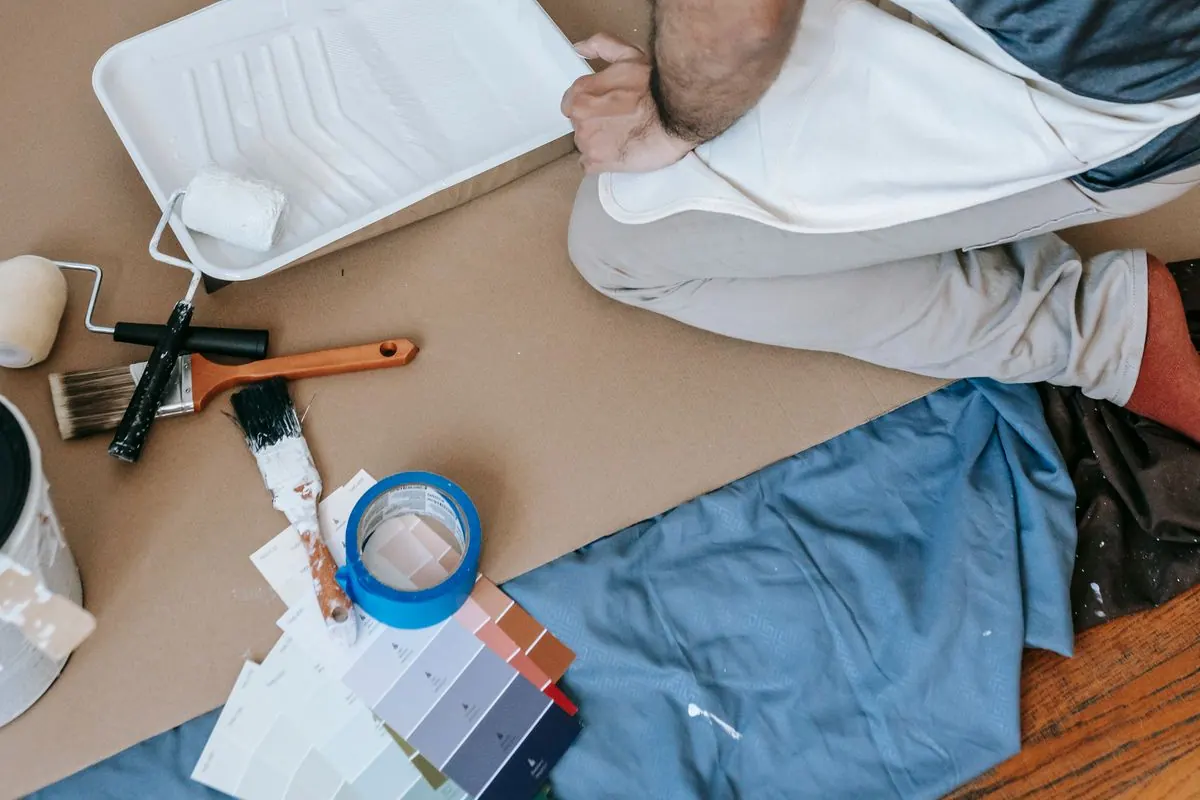
A color change adds cost because the old color shows through, and a dark to light change often needs a tinted primer plus an extra coat. Expect a color change to add 10 to 25 percent to the price, according to PaintPricing. Test the new color on a large swatch in daylight before you commit, because a color that looks perfect on a small chip can feel very different across a whole wall.
Where you live moves the price as much as the house does, because painter wages follow the local cost of living. The United States Bureau of Labor Statistics puts the median pay for painters at $23.75 an hour as of May 2025, and big city crews charge far more than crews in smaller markets. Lead paint is the last factor: homes built before 1978 may hold lead paint, and federal rules require a certified firm for paid work that disturbs more than 6 square feet of painted surface inside or 20 square feet outside.
How Much Paint Will You Need?
Paint coverage decides how many gallons to buy, and the math is simple once you know the wall area. A gallon of quality interior paint covers about 350 to 400 square feet per coat, according to Sherwin Williams and Benjamin Moore product data reported by BenchCalcs. Measure each wall, multiply height by width, subtract the windows and doors, and add the total for every wall you plan to paint.
Here is a worked example for a typical two story home that shows how much does painting a house cost: a 2,000 square foot home with a 40 by 25 foot footprint. The perimeter is 130 feet and the wall height is 18 feet, which gives 2,340 square feet of wall.
Take off about 15 percent for windows and doors, and about 2,000 square feet of paintable wall remains. Two coats need about 12 gallons, and at $50 a gallon the paint costs about $600, while the labor and prep make up the rest of the $4,500 to $12,000 exterior price.
Buy all the paint for one color at once, and mix the gallons together in a five gallon bucket before you start. Paint from different batches can vary slightly in shade, and a mixed batch keeps the color even from the first wall to the last. Keep one spare gallon for touch ups, because a matched gallon is hard to find a year later.
How Much Does Painting a House Cost If You Do It Yourself?
Doing the work yourself changes the math completely, and the DIY price comes down to paint, tools, and your time, which is what shapes how much does painting a house cost when you do it yourself. A DIY exterior repaint runs about $1,000 to $2,500 in materials and rentals, according to Sensibledigs. A single room takes about $100 to $300 in paint and supplies when you already own rollers and brushes, according to Angi.
The saving is real, but so is the time. A professional crew works with several painters at once, while a homeowner works alone on evenings and weekends, so the same house can take a crew days and a homeowner weeks. Interior work is more forgiving than exterior work, because the weather never stops you and the ladder stays in the garage.
DIY makes sense when the surfaces are sound, the home is one story, and you enjoy the work. Hire a pro when the home is two stories, the paint is peeling, or the home was built before 1978 and may hold lead paint. Ladder work and lead paint are the two risks that turn a saving into a hospital visit or a fine.

Follow these steps if you decide to paint it yourself.
- Wash the surfaces and let them dry fully before you open a can
- Scrape loose paint, fill holes, sand smooth, and spot prime bare areas
- Mask trim, windows, and floors with tape and drop cloths
- Cut in the edges with a brush, then roll the flat areas while the edges are wet
- Apply two thin coats and let the first coat dry fully before the second
- Work in the shade and in mild weather, between 50 and 90 degrees Fahrenheit
Rent a paint sprayer only if you have a large flat exterior and a calm day, because wind carries overspray onto cars, windows, and plants. A roller and a brush are slower, but they waste less paint and give a beginner more control.
How to Save Money on Painting Your House
You can cut the bill without cutting corners, and the biggest saving comes before the first quote. Ask three painters for a written price that covers the same scope, the same paint, and the same number of coats, then compare the prices line by line. A quote that is far below the others usually leaves something out, and that something becomes an extra charge later.
- Paint in the off season, when crews have open calendars and sharper prices
- Do the easy prep yourself, such as moving furniture and washing the walls
- Keep the same color or a close shade to skip the extra primer coat
- Buy mid grade paint, because premium paint adds little on a labor heavy job
- Bundle interior and exterior work with one crew for a better rate
- Ask about a discount for flexible scheduling around the crew calendar
- Keep up with small touch ups so a full repaint waits years longer
Never save money by skipping prep or by hiring a crew with no insurance. Prep is what makes paint last, and an uninsured crew leaves you paying if a ladder falls or a worker gets hurt. A written warranty of at least two years is worth more than a small discount with no paper behind it.
What to Ask Before You Hire a Painter
A good painter welcomes questions, and the answers belong in writing before work starts. Ask for proof of insurance, a list of recent local jobs, and the exact paint brand and product line on the quote. Ask how the crew preps, how many coats they apply, and how they protect floors, plants, and neighbors cars from overspray.
Ask who supervises the job each day and how the crew handles rain, because an exterior job that starts in a dry spell can stall for a week in wet weather. Agree on a payment schedule that holds the final payment until you walk the job together and check every wall in daylight. Never pay the full amount up front.
Safety Notes Before You Paint
Painting looks simple, yet it mixes ladders, chemicals, and old paint, so take safety seriously. Set ladders on firm level ground, keep three points of contact, and never stand on the top two rungs. Keep a spotter nearby when you work above the first story, and stay clear of overhead power lines.
Open windows and run a fan when you paint inside, and wear a respirator mask when you sand old paint. Homes built before 1978 may hold lead paint, and the United States Environmental Protection Agency requires certified firms for paid work that disturbs it. Never sand, scrape, or burn old paint to test it, and ask a certified professional to test before you start.
Store paint cans away from heat and out of reach of children, and let empty cans dry out before disposal. Check your local rules for leftover paint, because many towns run free collection days for old paint and stain.
How Much Does Painting a House Cost in Your ZIP Code
Paint costs about the same everywhere. Labor does not, and labor is most of the bill, so how much does painting a house cost depends on where the house stands.
Angi 2026 state averages for one room run from about $1,000 in Georgia and Michigan to about $1,570 in California, about 57 percent more for the same room. HomeGuide asks for your ZIP code before it shows local painters, for the same reason.
Get three quotes from painters who work in your own town, not from a national average, and check that each one lists the same rooms, the same paint and the same number of coats. A quote from the next county can look cheap only because the crew drives farther and the labor rate drops.
Sources
Angi, NerdWallet, Opendoor, PaintDeck, Paints and Pigments, Sensibledigs, and the U.S. Bureau of Labor Statistics. Figures are national averages for 2026, and a written quote from a local painter sets the final price.
Related guides
- Interior Painting Guide From Prep to Final Coat for 2027
- Exterior Painting Guide From Planning to Final Coat for 2027
- How Much Does It Cost to Paint a Room? 2027 Price Guide
- How Much Does a Building Permit Cost? 2027 Price Guide
- How Much Does Interior Painting Cost? 2027 Price Guide
- How Much Does Exterior Painting Cost in 2027
- How Much Does Epoxy Flooring Cost in 2027
- How to Estimate Exterior House Painting in 2027
Common Questions
How much does painting a house cost?
The short answer is $3,000 to $9,000 for a full interior repaint and $3,000 to $8,000 for an exterior repaint, at Angi rates, and that is how much does painting a house cost in most cases. Size, stories, prep, and paint choice move the final number, so get three written quotes for your own home.
How long does it take to paint a house?
A professional crew with several painters usually finishes a whole house in days, while a homeowner working alone often needs weeks of evenings and weekends. Rain, high humidity, and heavy prep all add time, and each coat needs time to dry before the next one goes on.
Is it cheaper to paint a house yourself?
Yes, DIY saves the labor cost, which is 75 to 95 percent of a professional bill, according to Angi. A DIY exterior repaint runs about $1,000 to $2,500 in materials and rentals, according to Sensibledigs. The trade off is your time and the risk of ladder work, so hire a pro for two story homes and homes with peeling or lead paint.
How often should you repaint a house exterior?
Most exteriors need fresh paint every 7 to 10 years, according to Sherwin Williams guidance on paint lifespan. Sun, rain, and humidity wear paint faster, so homes in harsh climates may need paint sooner, while sheltered homes with quality paint can last longer. Repaint when you see cracking, peeling, or fading, not on a fixed calendar.
Does painting a house increase its value?
A fresh exterior paint job improves curb appeal and helps a home sell faster, and a clean interior makes rooms feel larger and brighter. The return depends on the color and the quality of the work, so choose neutral colors that suit most buyers and hire a crew that preps properly. Paint is one of the lowest cost ways to refresh a home before a sale.