
Home Improvement Costs in 2027: The Complete Price Guide
Home improvement costs in 2027 range from a few hundred dollars for a coat of paint to more than $160,000 for a luxury kitchen remodel. The typical homeowner spends about $11,000 per project, while national remodeling spending is expected to pass $523 billion. This guide breaks down real prices by project type so you can plan your budget with confidence.
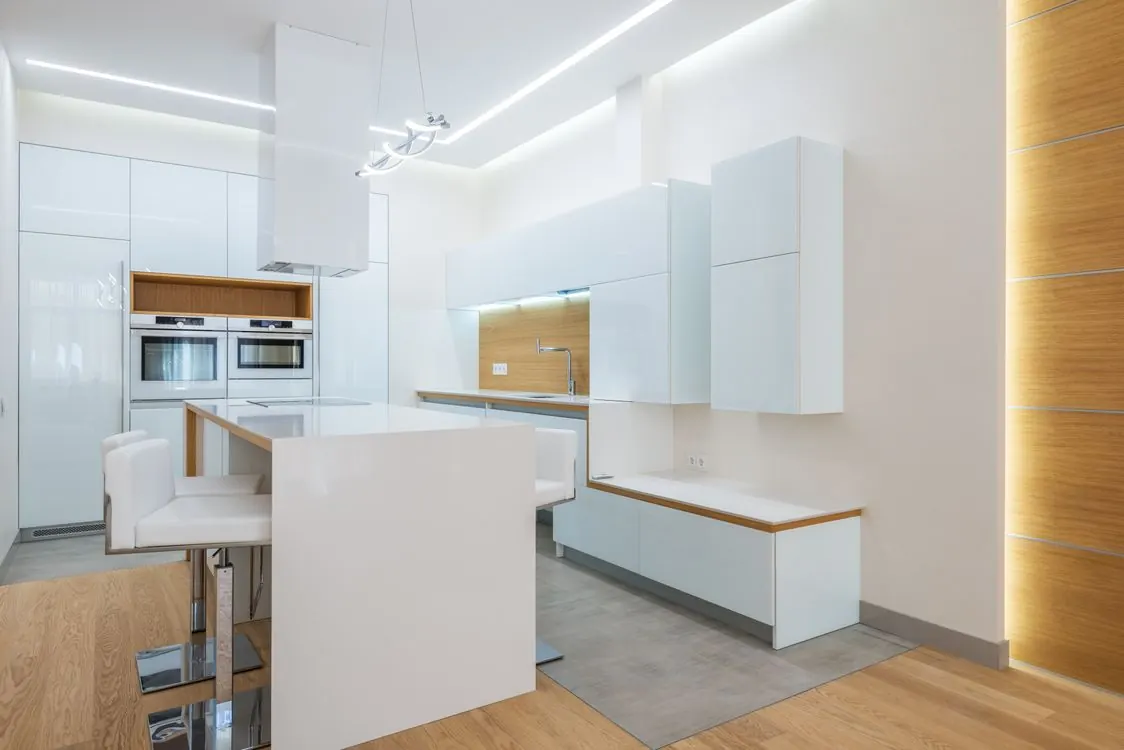
This guide breaks down home improvement costs for 2027 using the latest published data from trusted industry sources. You will find national averages, prices for the most common projects, the factors that move prices up or down, hidden fees to watch for, and proven ways to keep your budget under control. Every figure below comes from a named source, and all prices are in US dollars.
What is the average cost of home improvements in 2027?
Total home improvement costs across the country keep climbing. The Leading Indicator of Remodeling Activity from the Joint Center for Housing Studies at Harvard University projects that American homeowners will spend about $523 billion on improvements and repairs in the first quarter of 2027, up from $521 billion a year earlier. Growth has slowed to about half a percent, but spending remains near record highs.
For a single household, the picture is more personal. National survey data puts the average amount a homeowner spends on remodeling at about $10,972 per project cycle. Most people take on one or two projects at a time rather than gutting the whole house, which is why the national total looks so large while the typical project stays near five figures.
Keep in mind that averages hide big differences. A simple bathroom refresh and a full home addition both count as home improvements, but their prices live in different worlds. The sections below give you realistic ranges for each major project type.
How much does a kitchen remodel cost in 2027?
When people research home improvement costs, the kitchen is usually the first room they price out. It is also the best studied project in the industry thanks to the annual Cost vs Value Report published by Zonda through the Journal of Light Construction, which tracks real remodeling contracts against appraiser estimated resale value.
Here are the latest national figures from that report:
- Minor kitchen remodel: about $28,458. This covers new cabinet fronts, updated appliances, new counters and fresh paint while keeping the existing layout. It returns about 113 percent of its cost at resale, the strongest return of any major project.
- Major mid range kitchen remodel: about $82,793. This means new semi custom cabinets, an island, stone counters and upgraded appliances. It returns about 51 percent at resale.
- Major upscale kitchen remodel: about $164,104. Custom cabinets, stone counters, high end appliances and new lighting throughout. It returns about 36 percent at resale.
The pattern is clear. Smaller kitchen projects return a bigger share of their cost because buyers value an updated kitchen but will not pay dollar for dollar for luxury finishes. If your goal is resale value, the minor remodel wins. If you plan to stay and cook in it for ten years, spend for your own enjoyment and treat resale as a bonus.
How much does a bathroom remodel cost in 2027?
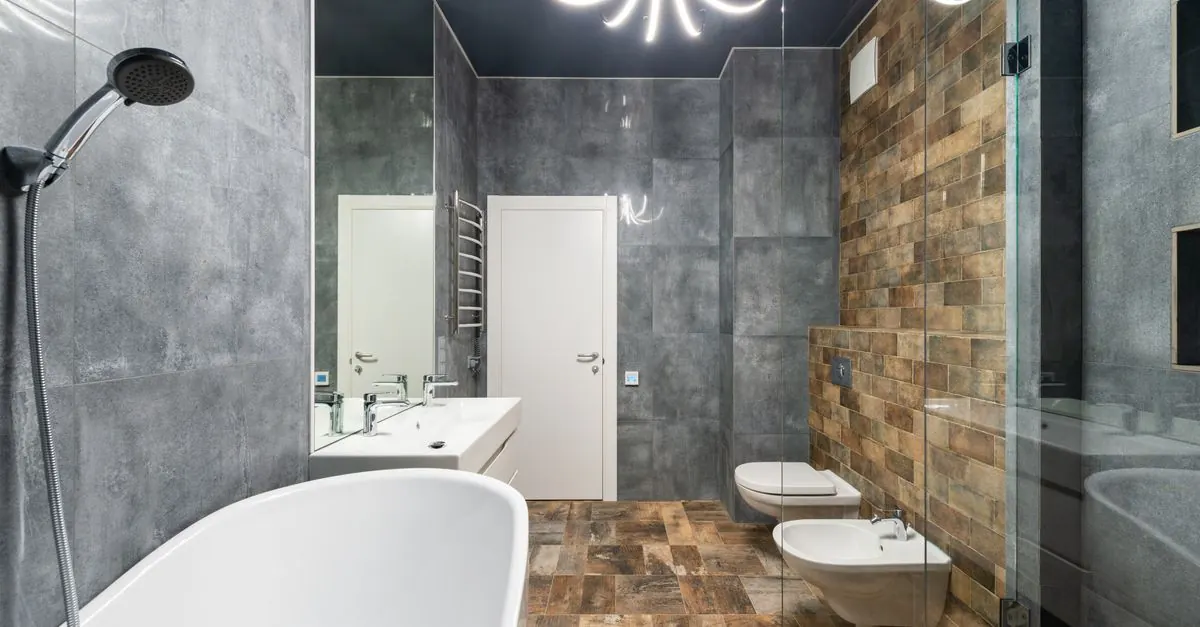
Bathroom home improvement costs are easier to predict than kitchen costs because the room is smaller and the scope varies less. The national average bathroom remodel now lands near $16,500, with most homeowners spending between $8,000 and $45,000 depending on size and finish level.
A mid range bathroom remodel typically runs from $16,000 to $28,000 and delivers one of the best returns in the house, recouping roughly 65 to 80 percent of its cost at resale according to Cost vs Value data. Budget refreshes that focus on surfaces can transform a dated bathroom for under $3,000. New grout, updated fixtures, a modern mirror and fresh caulk signal careful maintenance to buyers without the price of a full gut.
Luxury bathrooms are a different story. High end tile, stone slabs and custom glass can push a primary bath past $50,000, and the return drops to around 36 to 55 percent because premium finishes appeal to fewer buyers.
How much does it cost to paint a house in 2027?
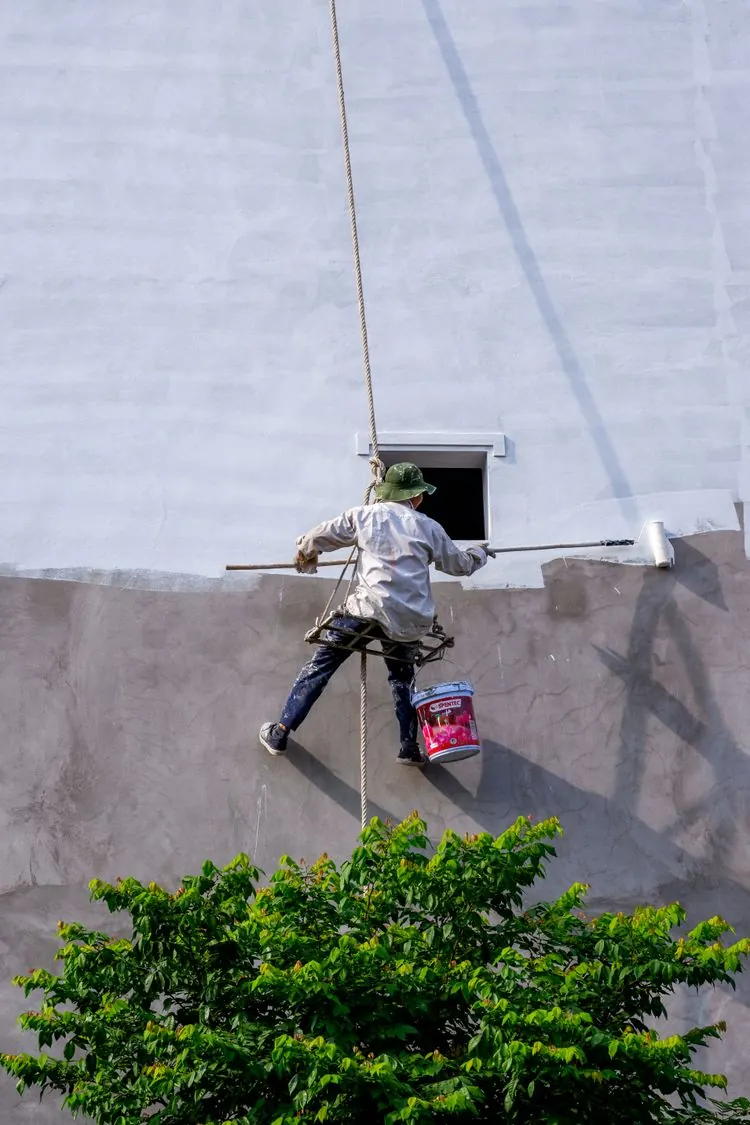
Painting keeps home improvement costs low while delivering one of the biggest visual changes per dollar. According to 2026 data from Angi reported by NerdWallet, the average homeowner spends about $2,021 on interior painting and about $3,177 on exterior painting.
- Interior: expect $2 to $6 per square foot of paintable surface. A single 12 by 12 bedroom runs $300 to $800, while a full interior repaint of a 2,000 square foot home lands near $5,500.
- Exterior: expect $1.50 to $4 per square foot. Most homes land between $1,800 and $4,500 total, with prep work like power washing and scraping driving much of the price.
Labor is 70 to 90 percent of a professional paint job. That is why doing your own prep, moving furniture, masking trim and patching small holes, is the fastest way to cut a painting quote.
How much does new flooring cost in 2027?
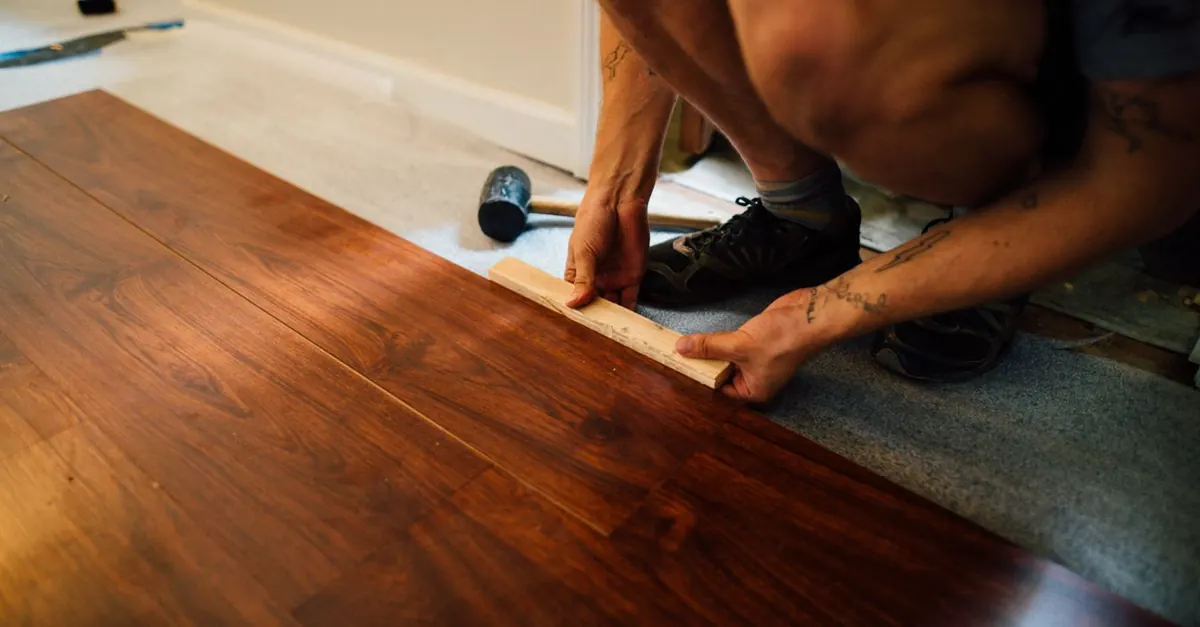
Flooring prices depend almost entirely on material. National cost guides from Angi and HomeAdvisor report typical installed prices of about $3 to $8 per square foot for laminate and vinyl plank, $6 to $14 per square foot for solid hardwood, and $5 to $15 per square foot for tile including labor. For a 1,000 square foot main floor, that means roughly $3,000 to $8,000 for vinyl plank, $6,000 to $14,000 for hardwood, and $5,000 to $15,000 for tile.
Subfloor repairs are the wild card. If the crew pulls up old carpet and finds damaged plywood or uneven concrete, repairs can add $500 to $2,000 before the new floor goes down. Ask your contractor to include a subfloor allowance in the written quote.
How much does a roof replacement cost in 2027?

Roofing home improvement costs vary more than almost any other project because roof size, pitch and material drive the total. Angi puts the national average professional roof replacement at $9,609, or roughly $4 to $11 per square foot. A 2,000 square foot asphalt shingle roof averages around $15,439 according to a 2026 survey of 1,000 homeowners by This Old House.
Material choice matters most. Basic asphalt shingles are the most affordable mainstream option. Metal, tile and slate cost two to four times more but last two to three times longer. Always get the tear off, disposal, underlayment, flashing and permit costs itemized separately so you can compare bids fairly.
What do HVAC, windows and decks cost in 2027?
These three projects are less glamorous than kitchens and baths, but they protect comfort and efficiency.
HVAC replacement
Angi estimates the average HVAC system replacement at $7,500, with a typical range of $5,000 to $22,000 depending on system type, home size and ductwork condition. High efficiency units cost more up front but cut monthly energy bills, which matters with electricity prices where they are.
Window replacement
A full house of vinyl replacement windows averages close to $21,000 nationally and recoups about 83.7 percent of its cost at resale, one of the highest returns in the Cost vs Value Report. Energy efficient glass also trims heating and cooling bills every month you live there.
Deck addition
A wood deck addition averages about $15,700 and returns roughly 65.8 percent at resale. Composite decking costs more up front but needs almost no maintenance, which many buyers prefer.
What makes home improvement costs go up or down?
Several factors push home improvement costs up or down on any project:
- Labor rates: skilled trades charge $85 to $175 per hour for plumbers and $60 to $145 per hour for electricians in 2026, and both trades report full schedules. Labor is usually 40 to 60 percent of a pro led project.
- Material grade: moving from builder grade to mid range to luxury finishes can double or triple material costs on the same project.
- Project scope: keeping the existing layout avoids moving plumbing and electrical lines, which is the single biggest cost saver in kitchens and baths.
- Home age and condition: older homes hide surprises like outdated wiring, galvanized pipes and lead paint, all of which add remediation costs.
- Location: metro areas typically run 20 to 25 percent higher than smaller towns because of labor competition and permit fees.
- Permits and inspections: structural, electrical and plumbing work almost always requires permits, which add hundreds to thousands of dollars depending on your city.
What hidden costs should you budget for?
Hidden fees can lift home improvement costs by 10 to 20 percent above the base quote. Build a contingency fund of at least 15 percent into every budget. Common surprises include:
- Permit and inspection fees your contractor did not include in the bid
- Dumpster rental and debris disposal, often $300 to $600 per container
- Structural repairs discovered after demolition, such as rotted framing or mold
- Upgrades required to meet current building codes, like new electrical panels
- Temporary living costs if a kitchen or bathroom is out of service for weeks
- Delivery charges and material price changes between quote and purchase
Get every quote in writing with line items, and ask each contractor the same questions about permits, disposal, cleanup and warranty so bids are truly comparable.
How can you save money on home improvements?

Smart planning cuts home improvement costs without cutting quality. These strategies work on almost any project:
- Get three written bids. Prices for the same scope routinely vary by 20 percent or more between contractors.
- Keep the layout. Not moving plumbing, gas lines or load bearing walls saves thousands in labor and permits.
- Choose mid range finishes. They look great, last well and return the most at resale. Luxury finishes rarely pay back their premium.
- Do the safe DIY parts yourself. Painting, demolition, landscaping and fixture swaps are beginner friendly. Leave electrical, gas and structural work to licensed pros.
- Buy materials during sales. Big box retailers like Home Depot and Lowes run deep discounts on appliances, flooring and fixtures around major holidays.
- Schedule in the off season. Contractors are hungriest for work in late winter, and some will sharpen their pencils to fill the calendar.
- Bundle projects. Having one contractor handle the kitchen and the bath in a single mobilization spreads fixed costs across both jobs.
How do most people pay for home improvements?
Financing spreads home improvement costs over time, but the right option depends on the project size. Small projects under $5,000 are often cash funded or put on a rewards credit card that gets paid off monthly. Mid size projects commonly use home equity loans or home equity lines of credit, which offer lower rates because your house secures the loan. Large additions and whole home remodels sometimes use cash out refinancing or renovation loans.
Avoid financing a project that does not add value or function you will actually use. Interest turns a $20,000 project into a $25,000 project over a typical loan term, so the improvement should be worth the full loaded cost to you.
A note on safety
Cost guides can make every project look easy, but some work carries real risk. Electrical work can cause fires or fatal shocks when done wrong. Gas lines can leak and explode. Structural changes can compromise the frame that holds your house up. Roofing and anything above the first floor brings fall risk. Hire a licensed professional for electrical, gas, plumbing inside walls and anything structural, and never skip permits to save money. A failed inspection costs far less than a failed repair. If a project feels beyond your skill, that feeling is usually correct.
Frequently asked questions
What is the average cost of a home renovation in 2027?
The typical homeowner spends about $10,972 per project cycle according to national survey data. Small refreshes start under $3,000, mid range single room remodels run $15,000 to $30,000, and major renovations can exceed $80,000. Your final number depends on project type, material grade and local labor rates.
Which home improvement adds the most value?
Minor kitchen remodels return about 113 percent of their cost at resale, the best of any major project in the Cost vs Value Report. Vinyl window replacement at 83.7 percent and mid range bathroom remodels at 65 to 80 percent round out the top tier. Smaller cosmetic updates like fresh paint return well because they cost so little.
How much extra should I budget for surprises?
Set aside a contingency fund of at least 15 percent of the project budget, and 20 percent for older homes. Hidden issues like rotted framing, outdated wiring and code upgrades are the most common budget busters, and they surface after demolition when you cannot simply stop.
Is it cheaper to DIY or hire a contractor?
DIY saves the labor portion, which is 40 to 60 percent of most projects, but only for work you can do safely and well. Painting, flooring and cosmetic updates are realistic DIY projects. Electrical, plumbing, gas and structural work should go to licensed pros. Poor DIY work often costs more to fix than hiring right the first time.
How long do most home improvement projects take?
A single room repaint takes days. Bathroom remodels take two to four weeks. Kitchens take six to twelve weeks. Whole home renovations run four to ten months. Add buffer time for permits, material deliveries and inspections, which are the most common causes of delay.
For more pricing breakdowns by project type, browse our Cost Guides section. You can also read about Home Fix Daily and how we research every guide.
Sources
- Harvard University Joint Center for Housing Studies, Leading Indicator of Remodeling Activity, 2026 releases
- Cost vs Value Report, Zonda and the Journal of Light Construction, latest national data
- Angi, 2026 cost guides for roofing, HVAC, painting and water heaters
- NerdWallet, house painting cost guide, updated February 2026
- This Old House, 2026 homeowner roofing survey