FHA 203k Renovation Loans Explained: Costs and Requirements
You find a fixer upper you can afford, then a lender turns it down because the roof leaks and the paint peels. FHA 203k renovation loans buy a fixer upper and fund its renovation in one mortgage, so you borrow one amount based on the finished value instead of taking out separate purchase and repair loans.
The short answer: FHA 203k renovation loans bundle a home purchase and renovation costs into one loan with a down payment as low as 3.5 percent. It comes in two forms: the Limited 203k for smaller nonstructural repairs up to $75,000, and the Standard 203k for major or structural work with no separate renovation cap.
How do FHA 203k renovation loans work?
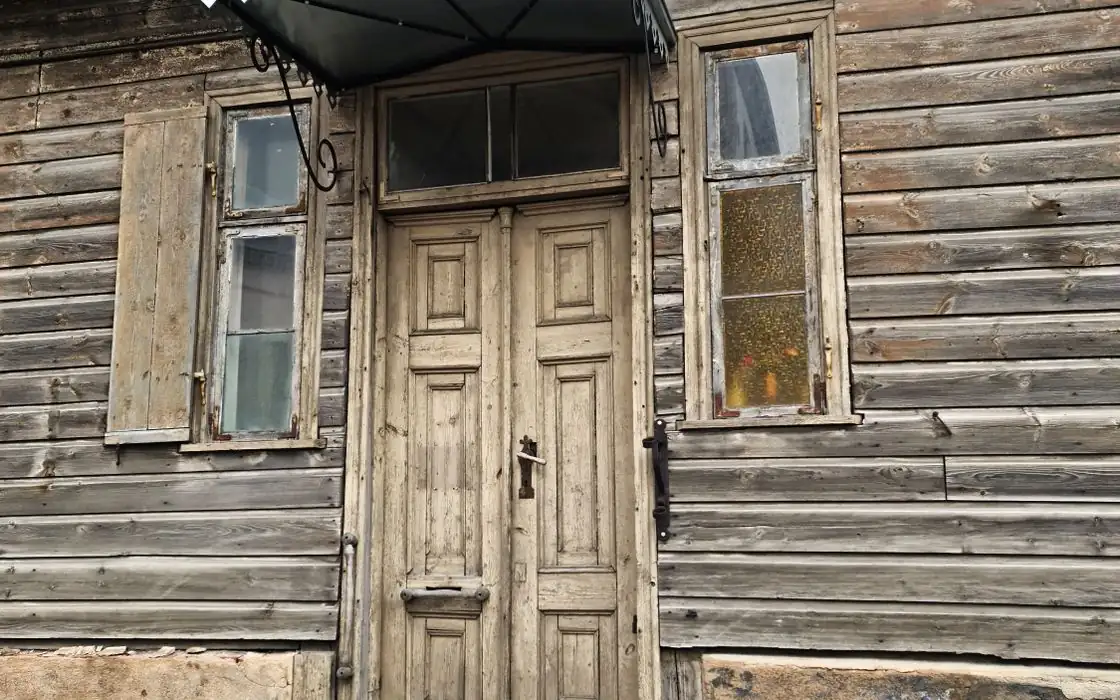
The 203k program was created by the Federal Housing Administration, the government agency that insures FHA mortgages, to make older homes financeable again. Many fixer uppers cannot pass a standard appraisal because of peeling paint, a failing roof, broken windows, or outdated electrical systems. A regular mortgage lender will refuse to fund a home that does not meet minimum property standards.
The 203k solves this by lending against the after repair value of the property, which is what the home is expected to be worth once the renovation is complete.
Start with the house, not the loan. A 203k loan is a house loan first, and the renovation budget rides on the finished value, so a house that cannot pass appraisal cannot carry the loan either. You find a home that needs work and get contractor bids for the repairs. An FHA approved appraiser values the property based on its finished condition.
The lender adds the purchase price and the renovation budget together and gives you one mortgage for the total, in a single closing with one monthly payment. The renovation money does not go into your pocket. It sits in an escrow account controlled by the lender, and your contractor receives it in stages called draws as inspections confirm the work is complete.
Nobody in this deal trusts anybody, which is the point. The lender knows the finished home is worth the loan amount. The contractor knows the money is reserved and cannot be spent on something else.
And you do not have to juggle a purchase mortgage plus a construction loan plus credit cards at the same time.
What are the two types of 203k loans?
The two versions of FHA 203k renovation loans split on the size and nature of your project. The Limited 203k, sometimes still called the Streamline 203k, handles cosmetic and nonstructural repairs. The Standard 203k, also called the Full 203k, handles major rehabilitation including structural work.
Pick the wrong one and the file stalls for weeks, so settle this before you approach a lender.
The Limited 203k
The Limited 203k is designed for homes that are fundamentally sound but need modernization or health and safety corrections. Under current HUD rules it covers up to $75,000 in total rehabilitation costs, a cap that was raised from the old $35,000 limit. Typical projects include a kitchen or bathroom update, new flooring, interior or exterior painting, window and door replacement, roof repair or replacement, HVAC replacement, and accessibility improvements such as ramps and grab bars.
The Limited program does not require a HUD approved 203k consultant, which keeps fees lower and paperwork simpler. Most lenders can process a Limited 203k in 45 to 60 days from application to closing, and renovation work must be finished within 9 months of closing. Contractors are usually paid in two draws, often 50 percent to start materials and 50 percent on completion.
The Standard 203k
The Standard 203k is the heavy duty option. There is no separate dollar cap on the renovation budget; the only ceiling is the FHA county loan limit for the total mortgage. The project must include at least $5,000 in eligible repairs.
This version covers structural repairs, foundation work, room additions, major kitchen and bathroom gut renovations, septic system replacement, and any project that requires building permits.
Because the projects are bigger, HUD requires a 203k consultant from its active consultant roster to oversee the work. The consultant inspects the property, writes the required work write up, reviews contractor bids, and inspects each stage before the lender releases a draw. Expect the consultant to charge $400 to $1,000 depending on project size, according to lender guides from Rocket Mortgage, formerly Quicken Loans.
A Standard 203k typically takes 60 to 90 days to close, and the work must be completed within 12 months of closing. Up to five draws are allowed: four intermediate draws plus one final draw.
| Feature | Limited 203k | Standard 203k |
|---|---|---|
| Renovation cap | Up to $75,000 | No separate cap, within FHA loan limit |
| Minimum repair cost | No minimum | At least $5,000 |
| Structural work | Not allowed | Allowed |
| HUD consultant | Not required | Required |
| Time to close | 45 to 60 days | 60 to 90 days |
| Completion deadline | 9 months | 12 months |
| Draw schedule | Up to 2 draws | Up to 5 draws with inspections |
What are the requirements for FHA 203k renovation loans?
To qualify for FHA 203k renovation loans, you must meet the standard FHA borrower requirements plus extra rules for the property, the repair plan, and the contractor. The program is only for owner occupants. You must live in the home as your primary residence, which rules out investment properties and vacation homes.
Eligible properties include one to four unit homes, condominiums, and townhomes, as long as you occupy one unit.
Credit score and down payment
FHA guidelines allow a minimum credit score of 500, but the down payment depends on your score band. With a qualifying score of 580 or higher, the minimum down payment is 3.5 percent of the total project cost. With a score between 500 and 579, you must put at least 10 percent down.
In practice, many lenders set higher minimums for 203k files, often 620 to 640, because renovation loans need more review. A lender’s higher cutoff is called an overlay; it is the lender’s own rule, not an FHA rule, so shopping around can help if your score is borderline. These credit rules match a standard FHA loan, which is one reason FHA 203k renovation loans stay accessible to first time homebuyers.
The down payment is not based on the purchase price alone. The lender applies the percentage to the total project cost: purchase price plus eligible renovation costs plus required reserves. On a $200,000 home with $50,000 in repairs, a 3.5 percent down payment works out to about $8,750 before closing costs.
Income, employment, and debt to income ratio
You must document stable income with tax returns, W2 forms, pay stubs, and bank statements, plus a two year work history in most cases. Your debt to income ratio, the share of your gross monthly income that goes to debt payments, should generally be 43 percent or lower, although some lenders approve higher ratios with strong compensating factors such as large cash reserves or a long stable job history.
An important detail: the lender qualifies you on the full loan amount, not just the purchase price. If the home lists at $200,000 but the renovation adds $40,000, you must qualify for a $240,000 mortgage. Borrowers with a tight debt to income ratio sometimes fail here, so run the numbers on the combined amount before falling in love with a fixer upper.
Loan limits
The total mortgage cannot exceed the FHA loan limit for your county. For 2026, HUD set the floor at $541,287 and the ceiling at $1,249,125 for a one unit home, per the US Department of Housing and Urban Development 2026 loan limit announcement. Sources for this guide: the Federal Housing Administration 203k program page, the US Department of Housing and Urban Development loan limits, and Bankrate, FHA 203k loans, national survey of 17 October 2026. Most counties sit at the floor; expensive coastal markets sit at the ceiling.
If your purchase plus renovation exceeds the limit, you need a different loan type.
Contractor rules
All renovation work must be completed by licensed contractors. You cannot do the work yourself and bill for your own labor, with a narrow exception for borrowers who are themselves licensed general contractors, and even then only materials are reimbursable. Your contractor must be willing to work within the 203k draw process, which means getting paid in stages after inspections rather than in cash up front.
Ask this question before you hire anyone; many good contractors have never done a 203k draw and some will walk away from the paperwork.

How much do FHA 203k renovation loans cost?
The total cost of FHA 203k renovation loans goes beyond the interest rate. Like all FHA mortgages it carries mortgage insurance premiums, plus closing costs and 203k specific fees. Each line item is worth knowing before the closing table, not after it.
Mortgage insurance premiums
FHA charges two mortgage insurance premiums, usually shortened to MIP. The upfront premium is 1.75 percent of the loan amount, due at closing, although most borrowers roll it into the loan balance instead of paying cash. The annual premium ranges from 0.15 percent to 0.75 percent of the loan amount per year, divided into twelve monthly payments.
With the standard 3.5 percent down payment, the monthly MIP generally lasts for the life of the loan. The only way to remove it is to refinance into a conventional mortgage once you have enough equity.
Interest rates and closing costs
FHA 203k renovation loans typically carry rates about 0.5 to 1 percent above standard FHA rates, because lenders price in the extra risk and paperwork of a renovation file. Bankrate put the 30 year fixed FHA purchase rate at 7.24 percent in its national survey of 17 October 2026, and 203k loans typically run 0.5 to 1 percent above standard FHA, roughly 7.75 to 8.25 percent, but rates move constantly, so treat any published figure as a snapshot. Closing costs run 3 to 6 percent of the loan amount, similar to a standard FHA loan, plus a supplemental origination fee of about 1.5 percent that is specific to the 203k program.
Consultant and contingency costs
On a Standard 203k, budget $400 to $1,000 for the HUD approved consultant. Every 203k also requires a contingency reserve of 10 to 20 percent of the renovation budget for unexpected costs, which is standard practice because opening up walls in an old home always reveals surprises. If the contingency goes unused, the leftover money is applied to your loan principal.
It is not refunded as cash.
What repairs can you finance with a 203k loan?
Not every project qualifies for FHA 203k renovation loans. The program funds repairs and improvements that protect health and safety or modernize the home, but it draws a firm line at luxury additions.
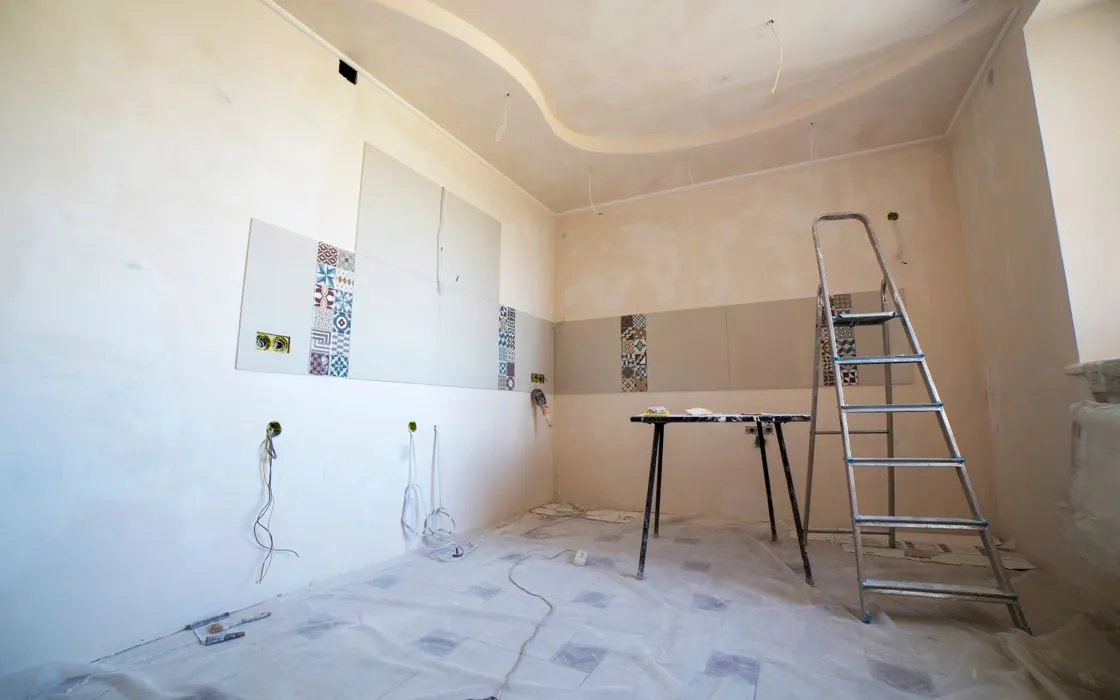
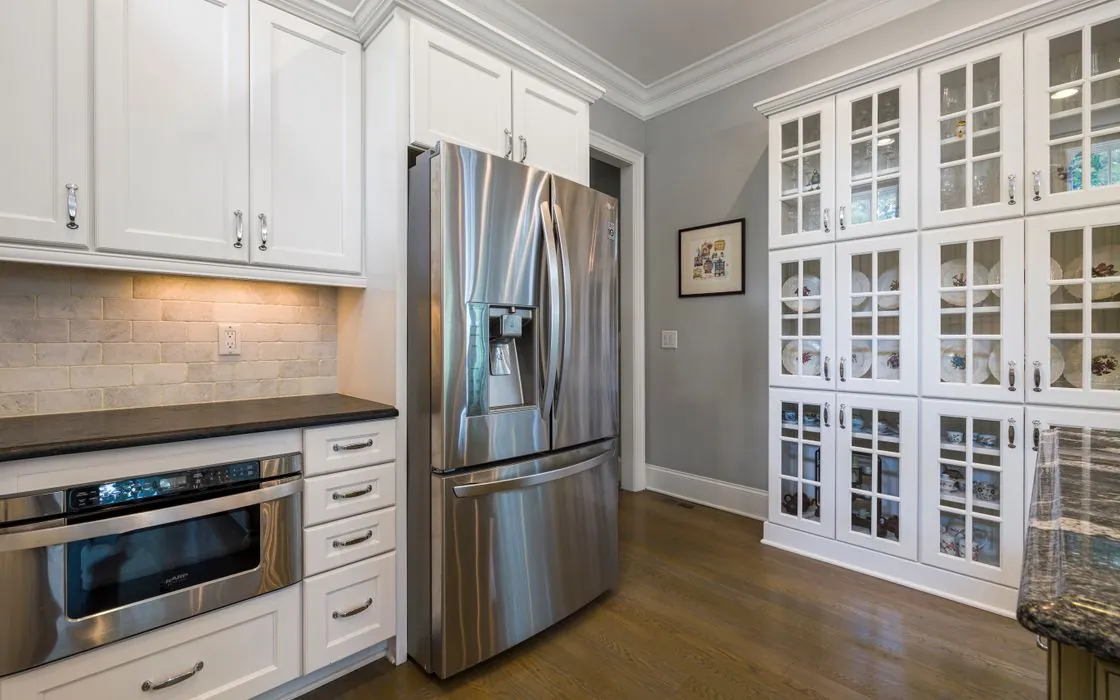
Eligible repairs for both the Limited and Standard versions include roof repair or replacement, plumbing and electrical updates, HVAC repair or replacement, flooring, kitchen and bathroom remodels, interior and exterior painting, windows and doors, accessibility modifications, energy efficiency upgrades such as insulation and solar panels, and built in appliances. The Standard version adds structural repairs, foundation work, room additions, and septic system replacement.

What you cannot finance is just as important. Luxury items such as swimming pools are excluded, and the program will not fund landscaping or purely cosmetic additions that add no functional value. On the Limited 203k, anything structural is off the table, which includes moving load bearing walls, foundation repairs, and room additions.
If your project list includes any of those, you need the Standard version.
How do you apply for FHA 203k renovation loans?
Applying for FHA 203k renovation loans takes longer than a standard mortgage because the renovation plan must be approved before closing. A lender who closes these often is the single biggest factor in keeping the timeline on track. Most advertise the program. Few handle it often enough to be smooth at it.
- Get preapproved with a lender experienced with the 203k program. Confirm the lender offers the version you need, since some lenders only handle the Limited 203k. Ask about their minimum credit score overlay and their typical timeline.
- Find the property and get contractor bids. You need detailed written bids for all planned work before the loan can move forward. For a Standard 203k, your HUD approved consultant writes the formal work write up from these bids.
- Order the after repair appraisal. The appraiser values the home based on its finished condition using the contractor bids and work write up. The loan amount is built from this value, not the current condition.
- Close the loan. At closing, the purchase portion funds the seller. The renovation portion goes into the lender controlled escrow account. Work must start within 30 days of closing.
- Complete the renovation on schedule. The contractor performs the work and requests inspections. The lender releases draws as each stage is certified complete. Limited 203k work must finish within 9 months; Standard 203k work within 12 months.

What are the pros and cons of a 203k loan?
The biggest advantage of FHA 203k renovation loans is access. It lets buyers with modest savings compete for fixer uppers that move in ready buyers cannot finance, often at a meaningful discount to finished homes in the same neighborhood. The 3.5 percent down payment applies to the whole project, renovation included, which is far less cash than buying with a standard mortgage and funding repairs separately.
And because the loan is based on the after repair value, the finished equity can be substantial if you buy well.
The drawbacks are real. The process is slower and more paperwork heavy than a standard FHA loan, with 60 to 90 days to close on a Standard 203k. You cannot choose your own timeline or your own contractor freely; the contractor must accept the draw process and the consultant’s oversight.
Mortgage insurance lasts for the life of the loan with minimum down payments, which adds hundreds of dollars to the monthly payment for years. And if renovation costs overrun the contingency reserve, the extra money comes out of your pocket.
How does the 203k compare to Fannie Mae HomeStyle?
The closest alternative is the Fannie Mae HomeStyle renovation loan. Both are single closing renovation mortgages, but they suit different borrowers. HomeStyle typically requires a 5 percent down payment and a 620 credit score, versus 3.5 percent and 580 for the 203k.
HomeStyle has no upfront mortgage insurance premium and its private mortgage insurance can be cancelled once you reach 20 percent equity, while FHA mortgage insurance usually lasts for the life of the loan. HomeStyle also allows second homes and investment properties, which the 203k never does.
The tradeoff is qualification. HomeStyle follows conventional underwriting, which is stricter on credit history and debt to income ratio. For a borrower with a 600 credit score and limited savings buying a primary residence, the 203k is usually the only renovation loan available.
For a borrower with strong credit buying an investment fixer upper, HomeStyle or a conventional construction loan is the better fit.
Buy well and plan honestly, and FHA 203k renovation loans can turn a dated fixer upper into a home that fits your budget. Compare timelines and draw rules for FHA 203k renovation loans from at least two experienced lenders before you sign, because a lender who rarely closes these loans will slow you down.
Related guides
If you are budgeting a renovation, these guides from Home Fix Daily will help you plan the numbers before you talk to a lender:
- Home Improvement Costs in 2027: The Complete Price Guide with national averages and prices for kitchens, bathrooms, roofing, painting, and flooring.
- How Much Does a Building Permit Cost? 2027 Price Guide with national permit averages, price ranges for electrical, plumbing, roofing, decks, and additions, how valuation based fees are calculated, what plan review and impact fees add to the bill, and practical ways to keep the total government charges on your renovation project low from the first application to the final inspection.
- How to Save Money Painting a Room
- How Much Does a Kitchen Remodel Cost in 2027?
- Kitchen Remodel Cost in 2027: What Homeowners Actually Pay
- Bathroom Remodel Cost in 2027: What Homeowners Actually Pay
Frequently asked questions
Can I use FHA 203k renovation loans for an investment property?
No. The 203k program requires you to occupy the home as your primary residence. Investment properties, vacation homes, and flips are not eligible.
You can buy a one to four unit property and rent out the other units, but you must live in one of them.
How long does it take to close an FHA 203k loan?
Plan for 45 to 60 days on a Limited 203k and 60 to 90 days on a Standard 203k, compared with 30 to 45 days for a standard FHA purchase loan. The extra time goes to contractor bids, the consultant work write up, and the after repair appraisal, all of which happen before closing.
Can I do the renovation work myself with a 203k loan?
Generally no. All work must be performed by licensed contractors who agree to the lender’s draw process. The only exception is for borrowers who are themselves licensed general contractors, and even then only materials are reimbursable, not your own labor.
What credit score do I need for a 203k loan?
FHA guidelines allow scores as low as 500 with 10 percent down, or 580 with 3.5 percent down. In practice, many lenders require 620 to 640 for 203k files, so check the lender’s own minimum before you apply.
Does the 203k loan have mortgage insurance?
Yes. You pay an upfront mortgage insurance premium of 1.75 percent of the loan amount plus a monthly premium of 0.15 to 0.75 percent per year. With a minimum down payment, the monthly premium typically lasts for the life of the loan unless you refinance into a conventional mortgage.
What happens if the renovation costs more than the budget?
Every 203k includes a 10 to 20 percent contingency reserve for surprises. If costs exceed the budget plus the reserve, you must cover the difference with your own funds. Unused contingency money is applied to your loan principal at the end of the project.
Disclaimer: This article is for general information only and is not financial advice. FHA guidelines, loan limits, and lender overlays change over time. Confirm current requirements with an FHA approved lender before making decisions about a home purchase or renovation.
Renovation work involves safety risks; always use licensed contractors and obtain required permits.