Kitchen Remodel Cost in 2027: What Homeowners Actually Pay
A kitchen remodel cost lands between $15,000 and $75,000, with minor remodels near $20,000 and major remodels near $55,000, according to the 2026 Houzz study. A $400,000 house carries a $20,000 to $60,000 kitchen budget if you follow the 5 to 15 percent rule. The final bill depends on kitchen size, cabinet grade, and whether walls, plumbing, or wiring move.
One number cannot price three different jobs. A coat of paint on cabinets, a new countertop, and a full gut renovation can all be called a remodel, yet their bills sit tens of thousands of dollars apart. The useful question is not what an average kitchen costs, but what your scope, size, and finish level will cost.
The figures below come from published national sources, and the worked example uses the same lines a contractor quote should show. It draws on the 2026 Cost vs Value Report from Remodeling magazine and Zonda, the 2026 Houzz United States Kitchen Trends Study, and 2026 cost guides from Angi and HomeAdvisor. Figures here are planning ranges, not quotes, because labor rates and material prices vary by market and by contractor.
When you compare bids, a clear breakdown makes it easier to spot missing lines.
What do homeowners actually pay at each project size?
The clearest starting point is project size, because scope drives the total more than any single finish choice. The 2026 Cost vs Value Report lists national average job costs of $28,700 for a minor midrange remodel and $79,200 for a major midrange remodel, and those defined scopes make the figures more useful than a blended average. When homeowners ask about kitchen remodel cost, these three tiers explain why published answers vary so widely.
| Project level | National average job cost | Value added at resale | What it usually includes |
|---|---|---|---|
| Minor midrange remodel | $28,700 | $24,400 | Cabinet refacing, new countertops, new flooring, and selected appliances |
| Major midrange remodel | $79,200 | $50,700 | Full cabinet replacement, new counters, flooring, lighting, and appliances |
| Major upscale remodel | $164,104 (2025 report) | $58,561 | Custom cabinets, premium surfaces, layout changes, and high end appliances |
Houzz medians tell a similar story from a different angle. The 2026 Houzz study reports a median spend of $20,000 for a minor remodel and $55,000 for a major remodel, rising to $75,000 for a major remodel in a kitchen of 250 square feet or larger. Medians sit below the Cost vs Value averages for major work because Houzz medians include smaller projects and partial remodels alongside full jobs.
Resale value adds another lens, because the Cost vs Value figures show minor work returning about $24,400 on a $28,700 job, while major midrange work returns about $50,700 on a $79,200 job. That gap does not mean major work is wasted money, since owners also gain years of daily use from a better kitchen. Judge a remodel on daily value first and resale second, unless selling soon is the main reason for the project.
What does a real kitchen remodel cost look like, line by line?
A quote is far easier to judge when you can see each line. The example below builds a midrange budget for a 150 square foot kitchen that keeps its layout, replaces cabinets, countertops, flooring, and appliances, and adds a tile backsplash and new lighting. Treat it as an illustrative budget built from the published ranges in this guide, not a contractor quote, because your market may move any line up or down.
| Budget line | Amount |
|---|---|
| Cabinets | $15,000 |
| Labor and installation | $13,000 |
| Appliances | $6,000 |
| Countertops | $5,500 |
| Flooring | $3,500 |
| Plumbing and electrical | $3,000 |
| Backsplash, lighting, and fixtures | $3,000 |
| Permits and design | $1,500 |
| Total | $50,500 |
Cabinets and labor together take $28,000 of the $50,500 total, and that split is typical when you break down a kitchen remodel cost at major scope, which runs above the $150 to $250 per square foot midrange band. Countertops and appliances add $11,500, while flooring, plumbing, electrical, backsplash, lighting, permits, and design make up the rest. If a quote hides those lines inside one lump sum, ask for the breakdown before you compare it with another bid.
Why can two quotes for the same kitchen differ by $20,000?
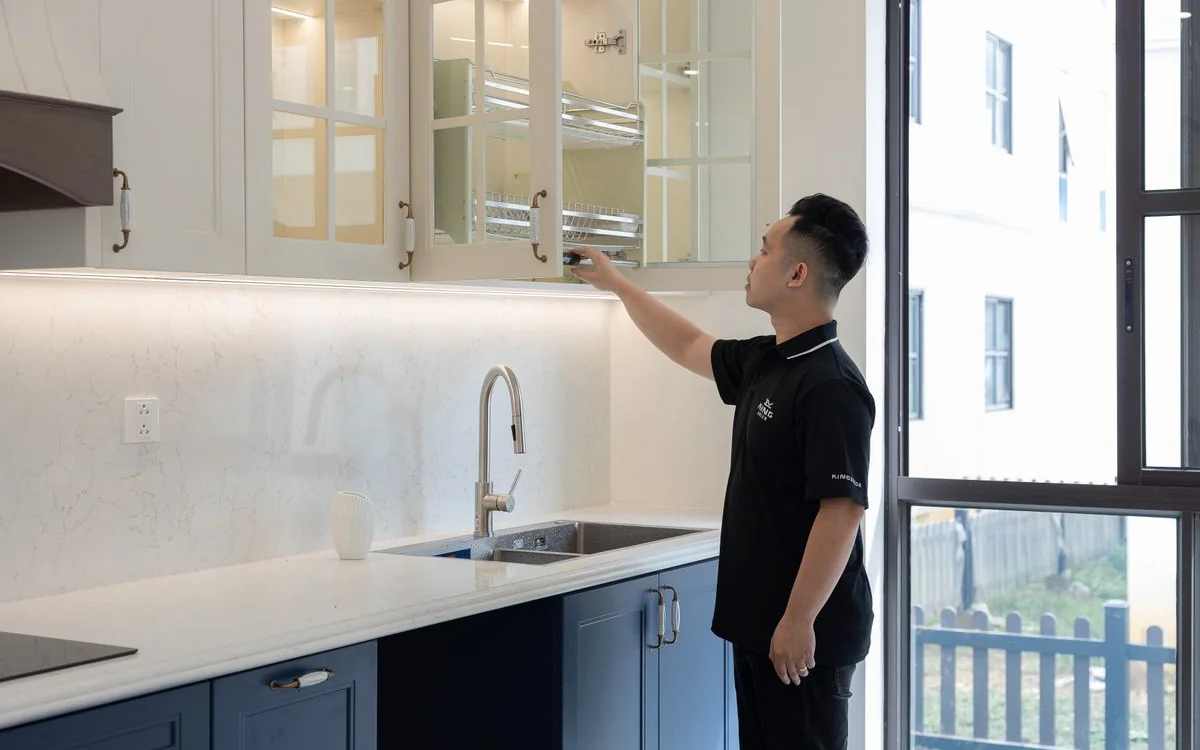
Two contractors can price the same room very differently without either one being dishonest. One quote may include semi custom cabinets, quartz counters, and a full appliance package, while the other prices stock cabinets, laminate counters, and a smaller appliance set. Moving a sink, a gas range, or a wall adds labor, permits, and inspections that a keep everything in place quote does not carry at all.
Allowances cause many surprises, because a quote may allow $2,000 for a countertop that actually costs $5,500 once you pick a stone. The same gap appears with tile, faucets, lighting, and flooring when the allowance is set low to win the job. Ask each bidder to list allowances line by line, and compare the same material grade across all quotes, so the totals mean the same thing.
Where you live moves the price as much as what you buy, because rates, permit fees, and inspection rules vary by town and by state. A kitchen remodel cost in a high labor market can run well above the same project in a lower labor market, even with identical cabinets and counters. Ask for at least three itemized quotes, and read a quote far below the others as a warning sign, not a bargain.
How does size change the bill?
Size sets the floor for materials and labor hours, but it does not set the total on its own. A kitchen remodel cost for a small kitchen under 100 square feet often runs $9,000 to $30,000 at midrange scope, according to Angi 2026 cost guides, while a medium kitchen of 100 to 200 square feet runs $25,000 to $55,000. A large kitchen over 200 square feet often runs $60,000 to $120,000, because cabinets, counters, and flooring all scale with area.
Small kitchens often cost more per square foot, because fixed items like permits, design, delivery, and setup spread across less area. Published 2026 guides put basic work at $75 to $150 per square foot, midrange work at $150 to $250, and high end work at $250 to $400 or more. Use price per square foot only as a rough check, and judge the itemized total instead, because a small kitchen with custom cabinets can cost more than a large kitchen with stock cabinets.
A 120 square foot galley kitchen shows how size and grade interact in practice. With stock cabinets, laminate counters, and standard appliances, that kitchen can land near $28,000, while the same footprint with semi custom cabinets, quartz counters, and a premium appliance package can pass $55,000. The room did not change, yet the bill nearly doubles, which is why grade matters as much as area when you compare quotes.
What hidden costs do homeowners often miss?
A quote is rarely the whole bill, and the extras below catch many homeowners by surprise. A kitchen remodel cost that looks complete on page one can still leave out permits, disposal, code upgrades, and weeks of eating out while the kitchen is out of service. Budget a contingency of 10 to 15 percent on top of the quote, and keep it untouched unless a real surprise appears.
- Permits and inspections for plumbing, electrical, gas, or structural work, plus a building permit where the local rules ask for one.
- Disposal and hauling for the old cabinets, counters, flooring, and appliances.
- Code upgrades such as ground fault outlets, venting, and smoke alarms where the current code asks for them.
- A temporary kitchen setup, paper plates, and takeout meals during weeks without a stove or sink.
- Structural surprises behind old walls, including rot, outdated wiring, and plumbing that no longer meets code.
- Delivery, storage, and restocking fees when materials arrive damaged or late.
Change orders deserve special care, because each change after work starts can add labor and delay the schedule. Put every change in writing with its price and its effect on the finish date before the crew acts on it. A signed change order protects both sides and keeps the final bill free of surprises.
A practical checklist before you sign
Run through this checklist before you sign a contract, and keep a copy of every document the contractor gives you. Write the scope, materials, and payment terms down before demolition starts, and the total stays under your control. Walk through each item with the contractor, and do not start work until every blank is filled.
- Measure the kitchen and write down the scope in plain words, including what stays, what moves, and what gets replaced.
- Choose a cabinet grade, a countertop material, and an appliance package, and name them in the contract.
- Get three itemized quotes with the same scope and the same material grade, and compare them line by line.
- Confirm who pulls permits, who schedules inspections, and who pays permit fees.
- Set a contingency of 10 to 15 percent, a payment schedule tied to completed milestones, and a written warranty.
- Agree a start date, a finish window, a daily work schedule, and a written process for change orders.
Talk about financing in the same conversation, because a large remodel may need a loan, a home equity line, or savings set aside in advance. An FHA 203k loan is one option for buyers and owners who roll renovation work into a mortgage, and it carries its own rules, limits, and inspections.

A quick safety note
Kitchen work involves electricity, gas, water, and heavy materials, so some jobs belong to licensed trades. Hire a licensed electrician for new circuits and panel work, a licensed plumber for gas and drain moves, and a licensed contractor for structural changes. Shut off water and power to the work area before demolition, test older homes for lead paint and asbestos where the age of the home suggests it, and never work on a live gas line yourself.
What does the same remodel cost by region?
SoFi reports the same remodel at very different prices across the country, using Angi regional data. Labor rates drive most of the gap, not materials. Labor rates drive most of the gap, not materials.
| Region | Typical range |
|---|---|
| Northwest | $25,600 to $61,100 |
| Mideast | $13,600 to $37,650 |
| Rocky Mountains | $12,700 to $39,600 |
| Southwest | $12,350 to $33,950 |
| Southeast | $12,000 to $32,200 |
| Northeast | $10,800 to $40,400 |
| Midwest | $10,300 to $34,300 |
| Mountain Prairie | $6,000 to $37,400 |
Get quotes from local contractors before you set a budget. A national average cannot tell you what a remodel costs on your street.
What is the 5 to 15 percent rule for kitchen remodel cost?
SoFi puts the rule plainly: spend 5 to 15 percent of your home value on a kitchen remodel for the best return. A $300,000 home points to a kitchen remodel cost between $15,000 and $45,000. A $500,000 home points to $25,000 to $75,000.
Spend less than 5 percent and the kitchen can look cheap against the house. Spend more than 15 percent and the extra money rarely comes back at sale, unless you plan to stay and enjoy the room for years.
Sources
The figures in this guide come from these published sources.
- 2026 US Houzz Kitchen Trends Study
- Angi: How Much Does a Kitchen Remodel Cost, 2026 data
- Zonda: 2026 Cost vs Value Report
- SoFi: Average Cost of Kitchen Remodels
- EstimateHomeCosts: Kitchen Remodel Guide, 2026. Moving the sink or adding a pot filler adds $1,500 to $4,000 per relocation.
Related guides
- How Much Does a Kitchen Remodel Cost in 2027?
- How Much Does a Building Permit Cost? 2027 Price Guide
- FHA 203k Renovation Loans Explained: Costs and Requirements
- How to Save Money on a Kitchen Remodel in 2027
- How Much Do Kitchen Cabinets Cost in 2027
- How Much Does It Cost to Replace Kitchen Cabinets in 2027
Frequently asked questions
What does the average kitchen remodel cost include?
An average remodel usually includes cabinets, countertops, flooring, appliances, lighting, backsplash, labor, permits, and design, with the mix set by scope. A minor remodel may include refacing and surface updates only, while a major remodel includes layout changes and system work. Compare the itemized list on each quote, because two averages can hide very different scopes.
What is the cheapest way to remodel a kitchen?
Keep the layout, reface sound cabinets, paint walls, choose laminate or butcher block counters, and replace hardware and lighting. A cosmetic refresh done that way often lands between $5,000 and $15,000 for a small to midsize kitchen. Avoid moving plumbing, walls, or appliances if keeping the total down is the main goal.
Why do kitchen remodels go over budget?
Most overruns come from scope changes, low allowances, and surprises behind walls, and the checklist below catches the common ones before you sign. A contingency of 10 to 15 percent, itemized quotes, and written change orders catch most of those gaps early. Order cabinets before demolition day, because lead times can push the schedule and the budget at the same time.
Is a minor remodel better than a major remodel for resale?
A minor remodel usually returns more of its cost at sale, because the Cost vs Value Report puts its return near 85 percent, against about 64 percent for a major midrange remodel. A major remodel suits owners who will enjoy the kitchen for years, not sellers chasing a quick return. Ask a local agent before a large project, since buyer tastes vary by market.
Should I move my sink or stove to improve the layout?
Move a fixture only when the daily gain is worth the added labor, permits, and inspections. Moving a sink or a gas range often adds $1,500 to $4,000 per relocated fixture, according to 2026 cost guides. In most kitchens, better storage design inside the existing footprint delivers most of the improvement without that cost.
Do not sign anything until you know the kitchen remodel cost for your kitchen, not for an average one. Measure the room, fix a scope you can fund, and get itemized quotes on that scope alone. A quote you can compare line by line is the only one worth signing.