How Much Does Epoxy Flooring Cost in 2027
How much does epoxy flooring cost? Angi puts standard epoxy at $2 to $12 per square foot, with a national average near $2,526, and a premium metallic system runs to $15 per square foot, according to ArmorGarage. A two car garage runs $1,500 to $3,500.
\n
The coating system you choose and the condition of your concrete move the price more than the size of the room.
Epoxy flooring turns plain concrete into a hard, glossy surface that shrugs off oil stains, road salt, and dropped tools. It is the floor you see in tidy garages, workshops, basements, and commercial kitchens across the country. The price looks simple at first glance, yet two quotes for the same floor can differ by thousands of dollars.
This guide uses real 2026 prices from EpoxyMatch, EpoxyTimes, The Garage Guide, and HomeGuide to show what epoxy flooring costs by system, by garage size, and by room, plus what prep work adds, when a DIY kit makes sense, and how to read a quote line by line.
How Did We Get These Numbers?
Every price on this page comes from a published 2026 cost guide, not from a single quote. The rate card is EpoxyMatch and EpoxyTimes, with The Garage Guide, HomeGuide, and HomeJobCosts behind the room and garage totals, and labor and prep shares use the EpoxyMatch split for a typical job. That is the method behind every figure for how much does epoxy flooring cost on this page.
Quotes still vary 30 to 50 percent between contractors in the same city, according to EpoxyMatch, so treat these numbers as a planning range. Get three itemized quotes for your own slab before you book, and the figure for how much does epoxy flooring cost in your home will be a real quote, not a national average.
How Much Does Epoxy Flooring Cost Per Square Foot?
Installed epoxy runs $3 to $15 per square foot, depending on the system. That range is the short answer to how much does epoxy flooring cost for a standard home. The table below shows the installed price for each common system, using 2026 pricing from EpoxyMatch and EpoxyTimes.
| Coating system | Installed cost per square foot | Best for |
|---|---|---|
| Water based epoxy, one coat | $2 to $4 | Budget refresh, light use |
| Solid color 100% solids epoxy | $3 to $7 | Garages, basements, workshops |
| Full flake epoxy | $5 to $9 | Most garages, hides slab flaws |
| Polyaspartic, flake or solid | $5 to $12 | Sun exposed floors, fast cure |
| Quartz epoxy | $7 to $15 | Commercial kitchens, labs |
| Metallic epoxy | $8 to $15 | Showrooms, feature floors |
The system matters more than the brand name. A thin water based coat from a store kit and a thick 100% solids floor with a clear top coat share the word epoxy, yet they differ in thickness, grip, and life span by a wide margin. Most residential floors land between $5 and $12 per square foot installed, according to EpoxyTimes.
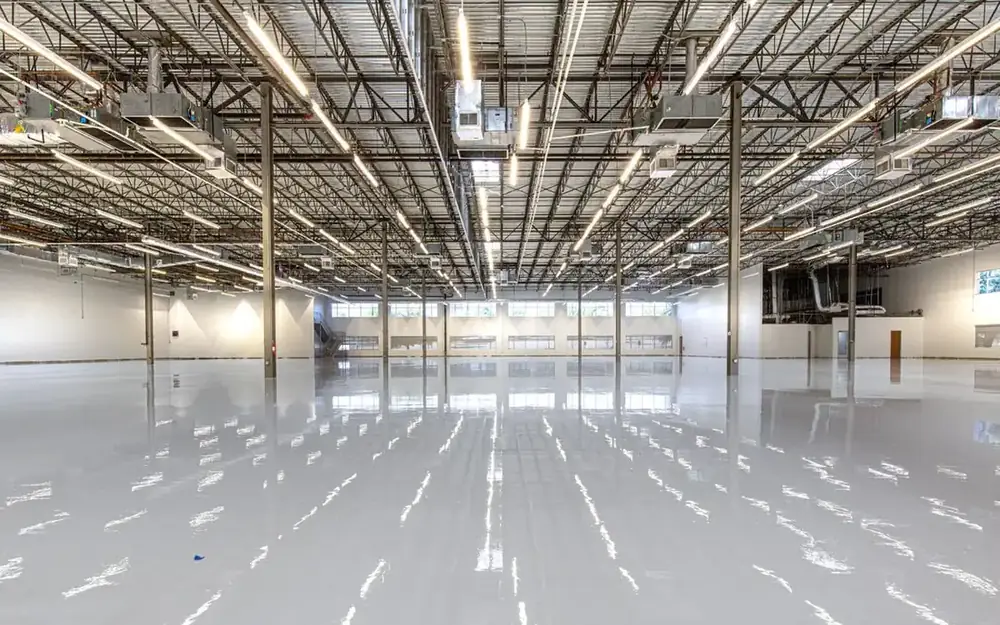
Materials are the smallest part of a professional quote. EpoxyMatch breaks a typical job down as labor at 45 to 60 percent, floor prep at 15 to 25 percent, materials at 20 to 35 percent, and overhead and warranty at 5 to 10 percent. HomeGuide puts labor even higher, at 50 to 70 percent of the total.
You are mostly paying for skilled prep and labor, not for resin in a bucket.
How Much Does Epoxy Flooring Cost for a Two Car Garage?
Garages are the most common epoxy project, and pricing scales with square footage, though not in a straight line. Small floors cost more per square foot because setup, grinding, and minimum labor charges spread over less area. The table below uses 2026 pricing from EpoxyMatch.
| Garage size | Typical square feet | Flake or solid color | Metallic or premium |
|---|---|---|---|
| One car garage | 200 to 300 | $900 to $2,000 | $1,500 to $3,200 |
| Two car garage | 400 to 550 | $1,200 to $3,500 | $2,500 to $5,500 |
| Three car garage | 650 to 900 | $2,500 to $5,500 | $4,000 to $9,000 |
| Finished basement | 600 to 1,200 | $2,400 to $7,000 | $4,500 to $12,000 |
For your garage, a real example answers how much does epoxy flooring cost better than any range.
Take a 480 square foot two car garage with a sound slab and a standard flake system at $6 to $8 per square foot. EpoxyTimes prices that exact job at $2,880 to $3,840. Apply the EpoxyMatch cost split to a $3,000 job in the middle of that range and the money divides roughly as labor $1,350 to $1,800, prep $450 to $750, materials $600 to $1,050, and overhead and warranty $150 to $300. These are overlapping share bands, not parts that add up to one total, so the midpoints sum to about $3,225, not $3,000.
The same garage with a metallic finish would run $2,500 to $5,500, and a cracked or damp slab can add hundreds more before the first coat goes on.
HomeJobCosts puts the typical epoxy project at $1,500 to $6,000 in total, with a mid range job near $3,000. The Garage Guide puts the national average for a professional job on a two car garage at about $2,500. Use $2,500 as a planning figure for a standard two car garage, close to the Garage Guide national average, then adjust up for premium finishes and down for a small, sound slab.
What Is Included in an Epoxy Flooring Quote?
A good quote lists prep, materials, and labor as separate lines. Prep is the step that decides whether the floor lasts 15 years or peels in 15 months, so read it first.
Diamond grinding opens the pores of the concrete so the resin can bond, and the industry standard for that surface profile is ICRI Guideline 310.2R. Acid etching costs less, yet it bonds far less well, and most coating failures trace back to skipped grinding.
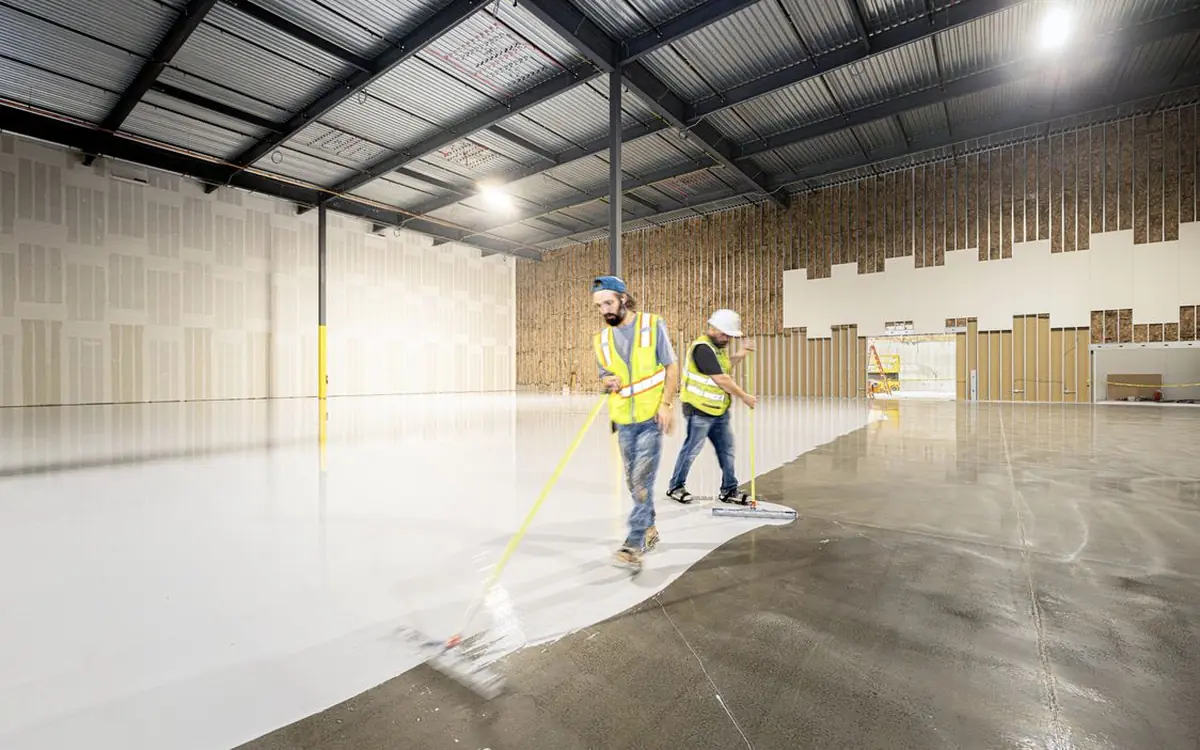
Moisture testing belongs in every quote, above all for basements and slabs less than five years old. A slab with high moisture vapor needs a moisture blocking primer, which adds about $0.75 to $2 per square foot, according to EpoxyMatch. Skipping that step is the number one cause of bubbling and peeling.
Ask the contractor how they test: a calcium chloride test or a relative humidity probe in the slab are the standard methods.
The coating itself usually runs as a primer coat, a base coat, and one clear top coat. A second clear coat for extra wear resistance adds $0.50 to $1.50 per square foot.
Removing an old peeling epoxy adds $1 to $3 per square foot on its own. Most contractors also carry a minimum job charge of $800 to $1,500, which is why a tiny laundry room can cost nearly as much per square foot as a garage twice its size.
What Makes the Price Go Up or Down?
Eight factors move an epoxy quote more than any other, and each one changes how much does epoxy flooring cost for your floor. Concrete condition leads the list.
Cracks, spalling, old sealers, and failed coatings all add prep time, and a floor that needs patching can add $1 to $3 per square foot before coating starts. Moisture comes next, since a damp slab needs a special primer that adds $0.75 to $2 per square foot.
The coating system is the third factor, and it can nearly double the price. Moving from solid color epoxy to polyaspartic or metallic adds $1 to $3 per square foot at each step up. Finish and design add more: a full flake broadcast costs more than a light scatter, and custom flake blends, borders, logos, or two tone designs add labor hours.
Square footage, location, and timing fill out the list. Larger floors earn a lower rate per square foot, while most contractors set a minimum charge of $800 to $1,500.
Where you live matters a lot, since labor is the biggest slice of the bill. High cost states such as California, New York, Washington, Massachusetts, and Hawaii run 15 to 30 percent above the national average. Much of the Midwest and South runs 5 to 15 percent below it.
Tight access, multi level parking, or a winter install that needs heaters can add cost too.
How Much Does Epoxy Flooring Cost in Other Rooms?
Epoxy works far beyond the garage, and the price follows the system the room needs. A finished basement of 600 to 1,200 square feet runs $2,400 to $7,000 for a flake or solid color system, according to EpoxyMatch. Basements need the moisture test most, since a damp slab under a finished floor is the classic peeling failure.
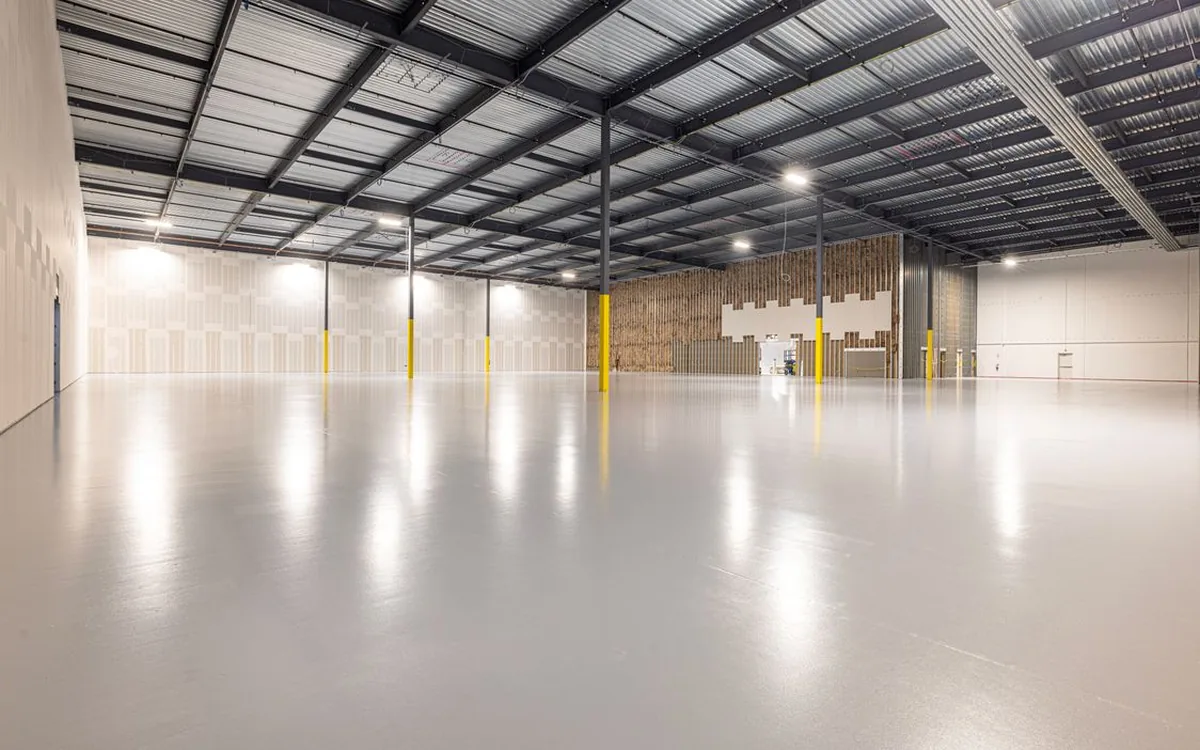
Patios and other sun exposed floors call for polyaspartic rather than standard epoxy. Polyaspartic is a different resin, not an epoxy, and it resists yellowing in sunlight and cures fast. Expect $5 to $12 per square foot installed. The room sets the system, and the system sets how much does epoxy flooring cost per square foot.
Kitchens, bathrooms, and laundry rooms suit quartz systems at $7 to $15 per square foot, since broadcast quartz gives the toughest and most slip resistant surface. A small bathroom remodel with an epoxy floor gains a seamless surface with no grout lines to trap water.
Commercial floors price by system spec rather than by look. Thin film epoxy at 10 to 20 mils runs $3 to $5 per square foot for light duty storage and offices.
High build epoxy at 30 to 60 mils runs $5 to $8 for warehouses and auto shops. Epoxy mortar or urethane cement at one eighth to one quarter inch thick runs $8 to $12 per square foot or more for commercial kitchens and food processing.
Large commercial jobs over 10,000 square feet often drop below $4 per square foot for standard systems, since prep and labor scale well.
DIY Epoxy Kit or Professional Installation?
A store bought DIY kit for a two car garage costs $150 to $600 in materials, and it is tempting to save the $1,500 to $3,000 a pro would charge. That gap is why the answer to how much does epoxy flooring cost depends so much on who installs it. The honest math sits in the table below, using 2026 figures from EpoxyMatch and The Garage Guide.
| Item | DIY kit | Professional |
|---|---|---|
| Materials | $150 to $600 | Included in quote |
| Grinder rental | $100 to $250 per day | Included in quote |
| Your time | 2 to 3 full days | None |
| Coating thickness | 3 to 10 mils | 20 to 40 mils or more |
| Typical life span | 2 to 5 years | 10 to 20 years |
| Warranty | None | 5 to 15 years |
Think in cost per year, not sticker price. A $400 kit that lasts three years costs about $133 per year before your time, and a redo means grinding the old coat off first. Over 15 years a DIY floor needs about four redos, with grinding at $1 to $3 per square foot and a $400 kit each time, which works out to about $270 to $530 a year. A $3,000 professional floor that lasts 15 years costs $200 per year, with no weekends lost and a warranty behind it.
DIY makes sense for a low traffic basement or a floor you plan to redo in a few years anyway. For a garage that sees hot tires, road salt, and dropped tools, most homeowners who go DIY end up paying a contractor to grind it off and start over.
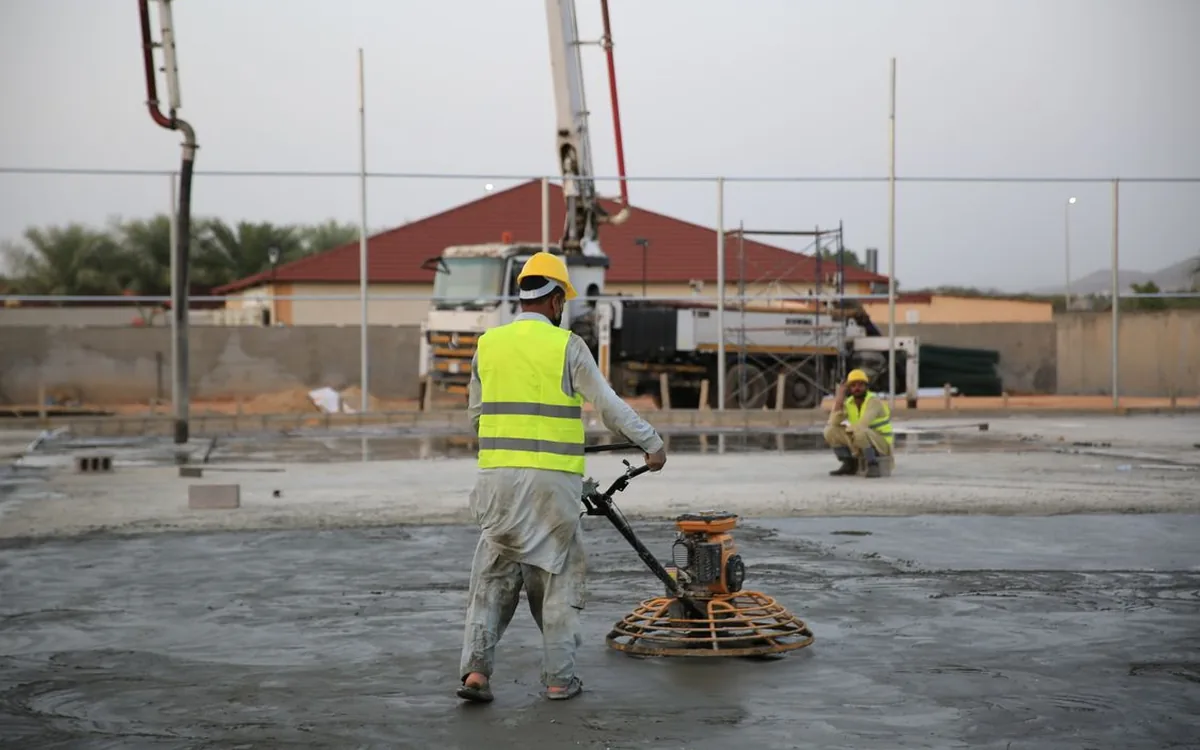
If you do go DIY, rent the grinder and do the moisture test. Store kits such as EpoxyShield cover about 400 to 500 square feet per kit, and the floor must be clean, dry, and ground before you open the first can.
Work in a ventilated space, wear gloves and a respirator rated for organic vapors, and keep kids and pets away until the floor cures. Epoxy fumes are strong while the coating sets, and uncured resin irritates skin.
How Long Does Each Epoxy System Last?
Thickness decides lifespan more than brand does. A thin water based coat wears through in a few years, while a thick 100 percent solids floor with a clear top coat runs a decade or more. The table gives residential lifespan for each system in this guide, and the answer to how much does epoxy flooring cost per year of use starts here.
| System | Residential lifespan |
|---|---|
| Water based epoxy | 1 to 3 years |
| Solvent based epoxy | 3 to 5 years |
| 100 percent solids epoxy | 10 to 20 years |
| Full flake epoxy | 10 to 15 years |
| Metallic epoxy | 20 to 25 years |
All five figures assume professional installation with diamond grinding and a moisture test. A kit rolled onto an unprepared slab can fail in 1 to 3 years, whatever the label promises. That gap is why how much does epoxy flooring cost per year of use matters more than the price on the quote.
How to Get an Accurate Epoxy Flooring Quote
Follow these steps before you sign anything, and the quotes you compare will be quotes for the same job. First, measure the floor and note every crack, stain, oil spot, and old coating. Take photos of the worst areas and send them with your request, so the contractor prices the real slab, not a perfect one.
Second, get at least three quotes. One quote tells you almost nothing about the real range for your slab.
Third, ask what prep is included. Diamond grinding should be standard. If one quote is far cheaper than the others, acid etching or no grinding is often the reason.
Fourth, ask for the system spec in writing: product name, total mil thickness, number of coats, and whether the top coat is epoxy, polyurethane, or polyaspartic.
Fifth, confirm moisture testing, above all for basements and new slabs. Sixth, get the warranty in writing, with what is covered, for how long, and what voids it. A quote that lists each of these lines is a quote you can trust.
How to Keep Epoxy Flooring Costs Down
Choose a solid color system over metallic if the look matters less than the budget. That single choice can save $3 to $5 per square foot, or $1,200 to $2,000 on a two car garage. Pick a standard flake blend rather than a custom mix, and skip borders and logos unless the floor is a showpiece.
Clear the room yourself before the crew arrives. Moving cars, shelves, and boxes saves paid labor hours, and a clean, empty slab lets the crew start grinding at once.
Get quotes in the off season when crews have open days, and ask whether the contractor discounts a job booked alongside neighbors on the same street. Never save money by skipping prep, since a peeled floor costs more to fix than a well prepped floor costs to install. The cheapest quote is not always the cheapest floor, since how much does epoxy flooring cost to fix after a peel can exceed the first install.

How Do You Maintain an Epoxy Floor?
Epoxy asks for little, and most of the work is sweeping. Grit and road salt scratch the top coat if they sit, so sweep or dust mop weekly and hose the floor down when it needs it. Mop with warm water and a mild dish soap or a pH neutral cleaner, and wipe up oil and chemical spills fast.
Skip acidic cleaners, citrus cleaners, and abrasive pads, since they dull the gloss a little more with every wash. Skip oil based soaps too, since they leave a haze behind. Give the floor a deep clean once a year, and watch for dull patches and wear in the driving lanes.
When the gloss fades and cleaning stops bringing it back, a fresh top coat restores the floor without a full redo. In a home garage that refresh usually comes at 10 to 15 years.
Is Epoxy Flooring Worth the Cost?
For most garages, yes. A properly installed system at $4 to $8 per square foot lasts 10 to 20 years, resists stains, chemicals, and hot tire pickup, and cleans with a hose.
Compare that with the common alternatives. Interlocking garage tiles run $3 to $6 per square foot, yet they shift, trap moisture underneath, and never seal the concrete. A concrete stain and sealer runs $2 to $4 per square foot, yet it gives good looks with almost no protection against salt or impact.
Hardwood flooring costs $6 to $12 per square foot installed, according to Angi, which puts a basic epoxy floor well below wood for a garage or basement. Painting a house is a different job, yet the comparison helps: a coat of paint protects a wall, while epoxy protects a floor that cars drive on. Doing nothing costs nothing today, yet salt and freeze thaw damage to bare concrete leads to spalling repairs at $4 to $10 per square foot later.
Epoxy also adds modest resale appeal rather than a dollar for dollar return. A finished garage floor photographs well and signals a maintained home, which helps a listing stand out.
It will not pay for itself at sale the way a kitchen update can, so judge it on the years of use you get from it, not on resale alone. That trade off sits at the heart of how much does epoxy flooring cost versus what it returns over 15 years.
Related guides
- How Much Does Hardwood Flooring Cost in 2027
- How Much Does Painting a House Cost in 2027
- How Much Does It Cost to Remodel a Small Bathroom in 2027
- What Is the Labor Cost to Install Vinyl Plank Flooring in 2027
Common Questions
How much does epoxy flooring cost in 2027?
A professionally installed epoxy floor costs $2 to $12 per square foot for standard systems, according to Angi, with a national average near $2,526, and a standard two car garage runs $1,200 to $3,500 for a flake or solid color system. Metallic and premium polyaspartic systems run $2,500 to $5,500 for the same garage.
How much does epoxy flooring cost per square foot installed?
Installed epoxy averages $3 to $12 per square foot for most residential work, according to EpoxyMatch. A standard flake floor runs $5 to $9 per square foot, solid color runs $3 to $7, quartz systems run $7 to $15, and metallic systems run $8 to $15. EpoxyMatch prices standard systems; EpoxyTimes prices the premium ones too.
Is epoxy flooring cheaper than hardwood flooring?
Yes, for the rooms where both work. Epoxy runs $3 to $15 per square foot installed across all systems, with most standard work at $3 to $12, while hardwood flooring runs $6 to $12 per square foot installed, according to Angi. Epoxy suits garages, basements, and workshops, while hardwood suits living rooms and bedrooms.
How long does epoxy flooring last?
A professionally installed epoxy floor lasts 10 to 20 years in a residential garage with proper prep. A DIY kit typically lasts 2 to 5 years, since the coating is thinner and the prep is often lighter.
Can you epoxy a floor yourself?
Yes. A DIY kit for a two car garage costs $150 to $600 in materials, plus $100 to $250 per day for a grinder rental. The job takes 2 to 3 full days, and the result depends on grinding the slab and testing for moisture first.
Does epoxy flooring add value to a home?
It adds modest resale appeal rather than a dollar for dollar return. A finished garage floor photographs well and signals a maintained home, yet buyers pay for the house, not for the floor alone.
Measure your rooms, pick the system that fits your budget and your rooms, and get three itemized quotes before you book, and the answer to how much does epoxy flooring cost for your home will be a number you can plan around. A floor chosen this way looks good on day one and still looks good fifteen years from now.
Safety note: epoxy resin and hardener irritate skin and give off strong fumes while curing. Wear gloves, eye protection, and a respirator rated for organic vapors, ventilate the space, and keep children and pets away until the floor fully cures. If your slab shows wide cracks, heaving, or standing water, ask a contractor to inspect it before coating.
Sources
EpoxyMatch cost guide 2026, EpoxyTimes rate card updated August 31 2026, The Garage Guide epoxy garage floor cost 2026, HomeGuide garage floor coating cost February 2026, HomeJobCosts epoxy flooring cost September 2026. All figures are national averages for 2026, and the written quote from your installer is the number to trust.