How to Estimate Exterior House Painting in 2027
Learning how to estimate exterior house painting comes down to three numbers: the square feet of wall, the gallons that wall will drink, and the hours a crew needs to cover it. Measure the walls and price each line on its own, and a ranch with 1,560 square feet of wall usually lands between $2,340 and $6,240.
Three bids arrive for the same house. One says $3,400, one says $5,800, one says $9,200, and all three painters walked the same walls.
The gap is not a trick. It is three different guesses about prep, paint and hours, and the only way to tell which one is honest is to run the numbers yourself.
I have watched homeowners pick the middle bid because it felt safe, then pay later for the prep it left out. Once you know how to estimate exterior house painting, the middle bid stops being a guess and becomes a number you can defend.
How to Estimate Exterior House Painting in Six Steps
An estimator does not start with a price per square foot. That number comes last.
The work starts at the curb with a tape measure, and every line after that follows from what the tape says. Here is the order that keeps an estimate honest.
Step 1: Measure every wall
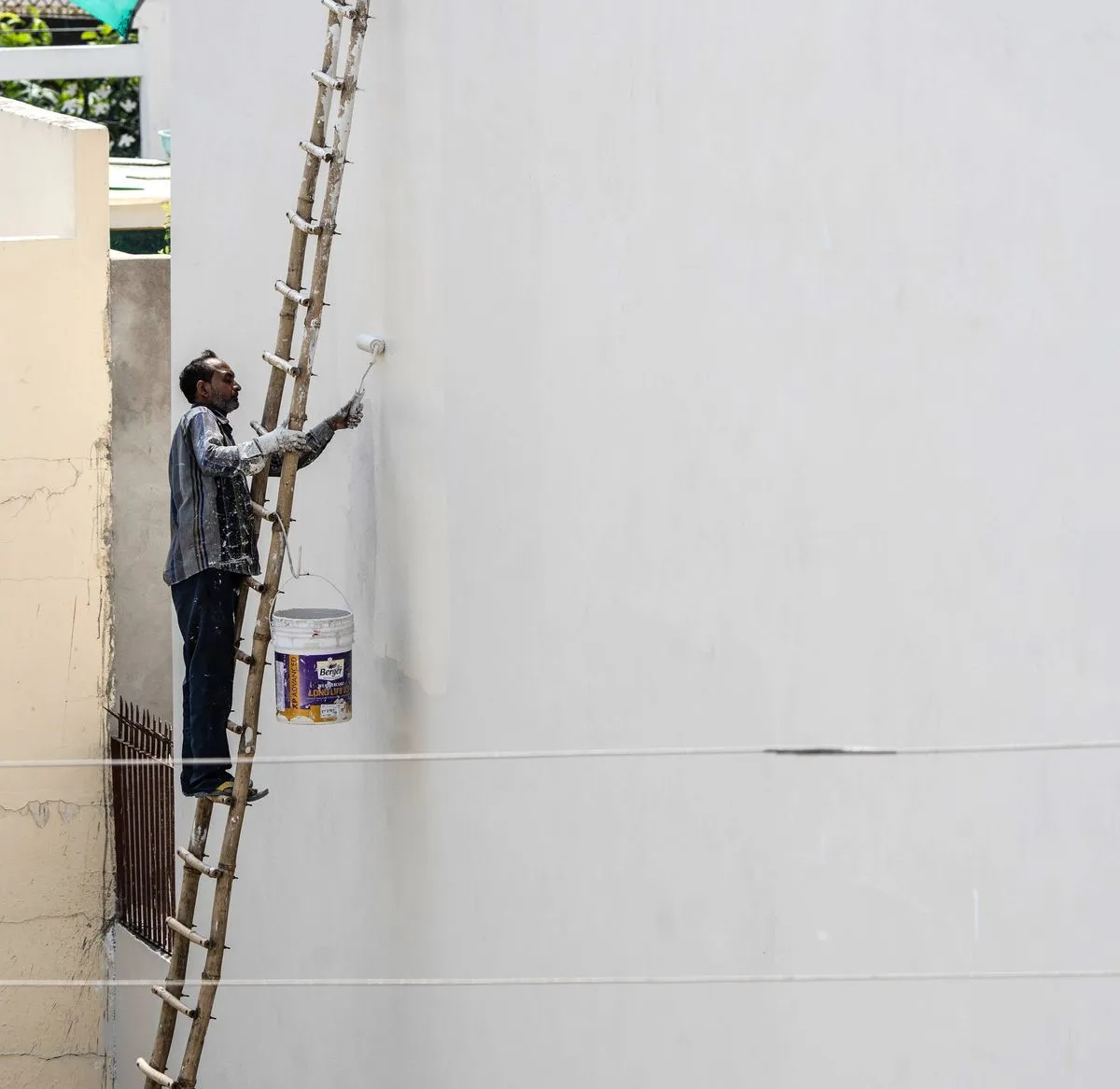
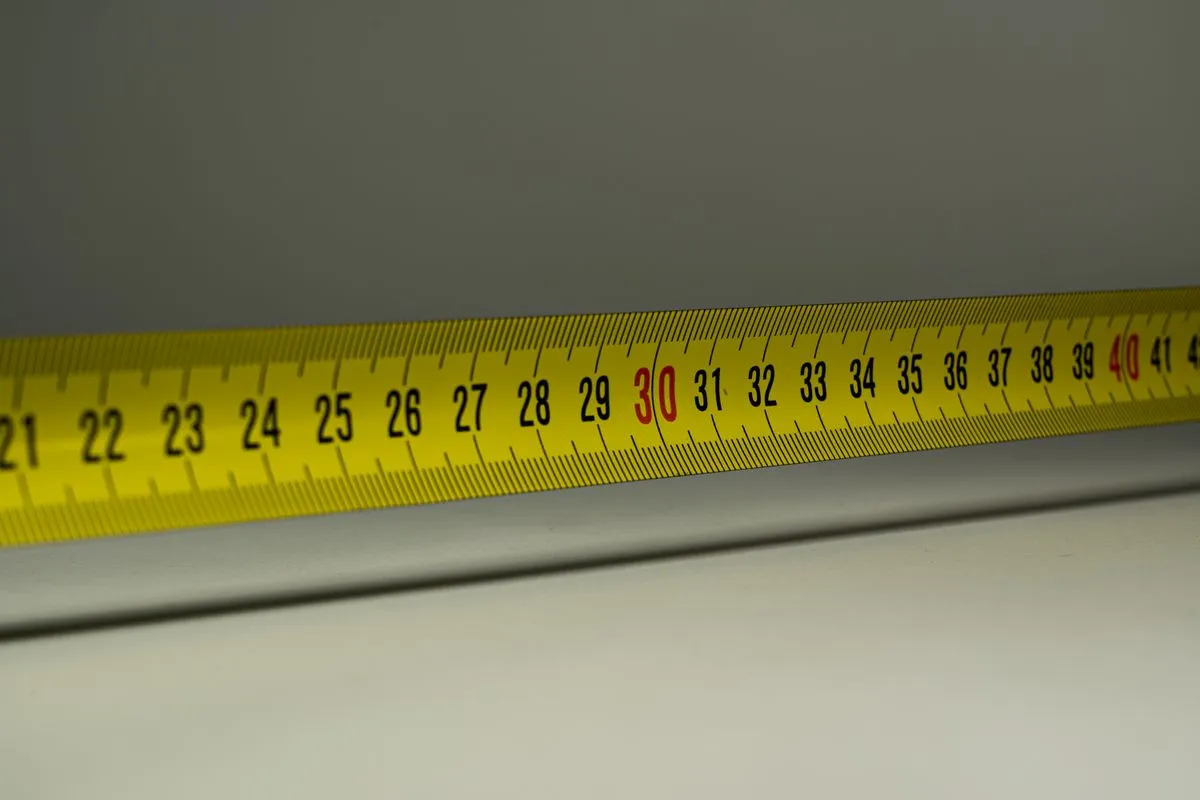
Walk each side of the house with a 25 foot tape and write down the length and height of every wall. Multiply length by height for each wall, then add the walls together.
Painters price the wall area, not the floor area on the listing, and the two numbers are never the same. A 2,200 square foot two story house has about 3,000 square feet of wall, according to PaintDeck, so a bid priced off floor area is already guessing. That wall total is the first number you need when you learn how to estimate exterior house painting, and every line after it depends on it.
Step 2: Add the gables
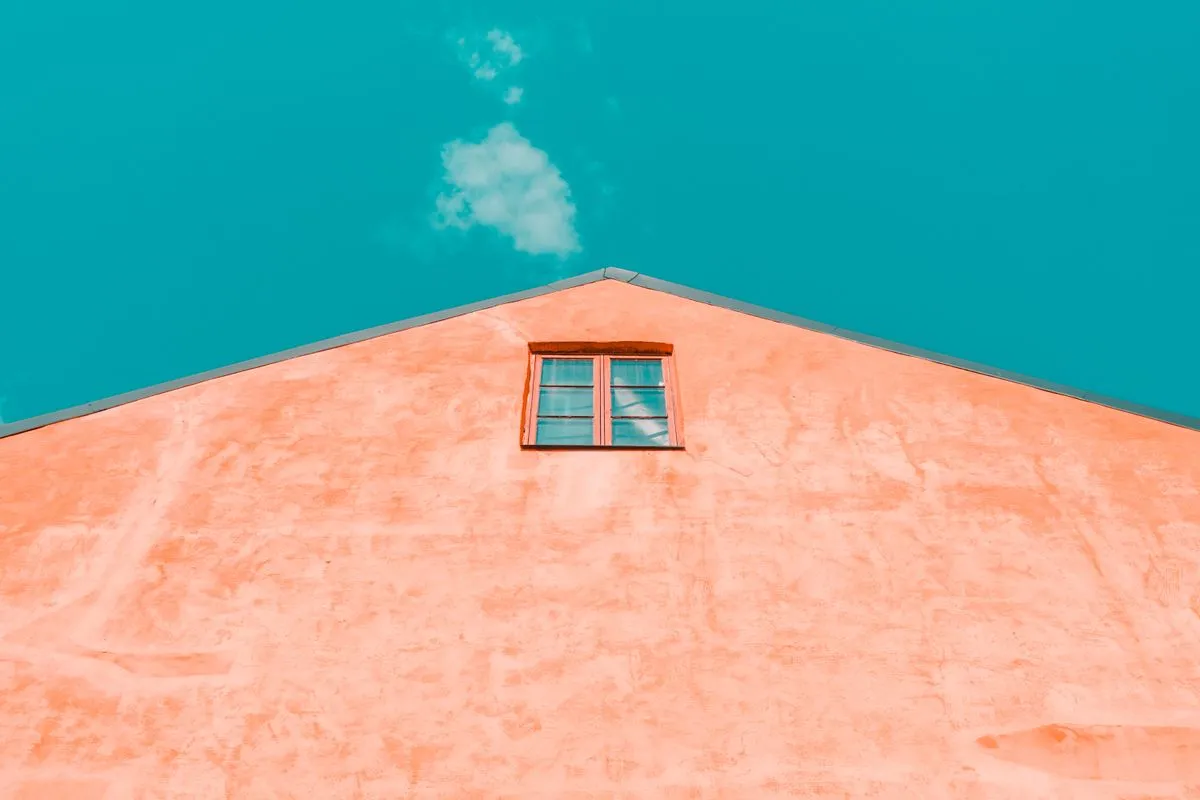
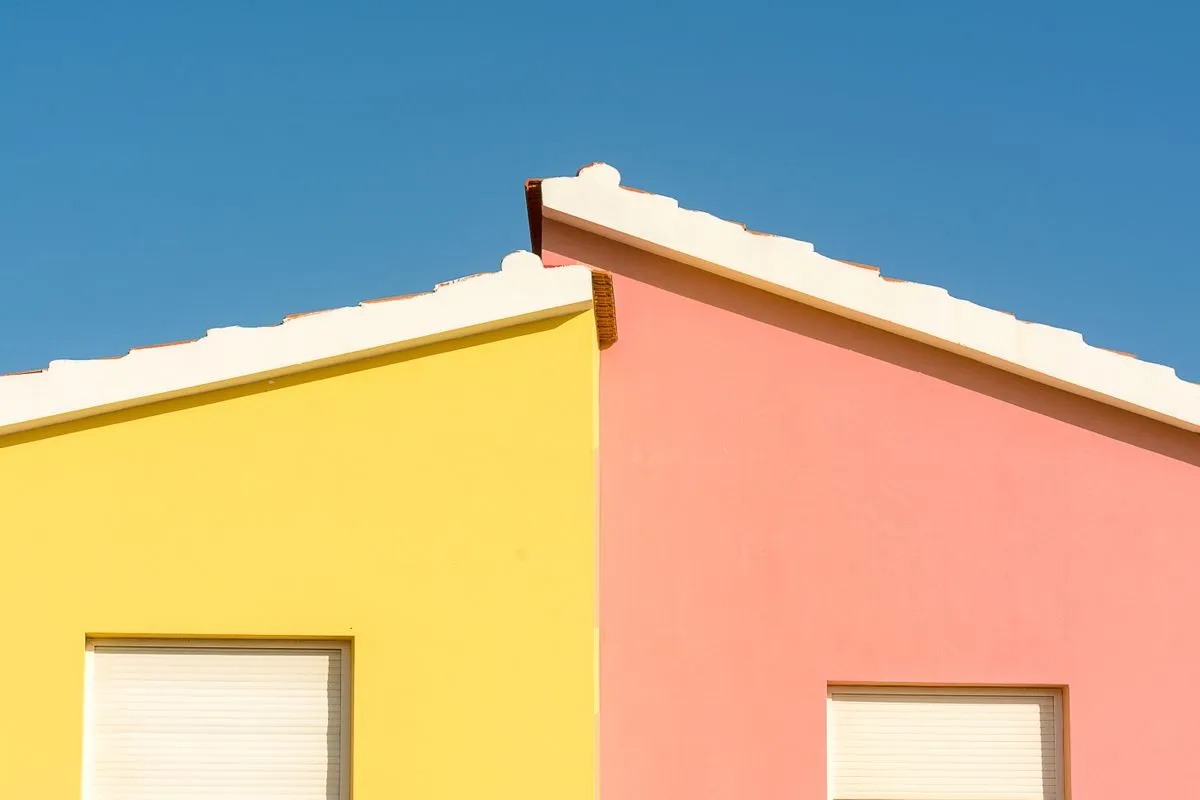
A gable is the triangle of wall under a peaked roof, and it is the part most homeowners forget. Measure the base of the triangle and its height, multiply them, then divide by two.
A gable 30 feet wide and 4 feet tall adds 60 square feet, and most houses have two of them. Add that to your wall total before you price anything. Small windows and doors usually stay in the total, because cutting around them costs as much as the paint they save, but take out a big garage door before you count gallons.
Step 3: Judge the prep honestly
Walk the south and west walls first, because sun and weather hit them hardest. If you can flake paint off with a thumbnail, the job needs scraping and sanding, not a light wash.
Guessing low on prep is the most common way an estimate comes in wrong, and it is also the line where cheap bids hide their savings. Prep is the step most people skip when they learn how to estimate exterior house painting, and skipping it is what makes the final bill a surprise.
Step 4: Count the gallons
Divide your wall area by the coverage rate for your siding, multiply by the number of coats, then add 10 percent extra. Smooth vinyl stretches a gallon across about 380 square feet, while rough stucco swallows the same gallon in about 200 square feet. Buy the extra paint now, because a second trip to the store for one matching gallon costs more than the gallon does.
Step 5: Price the labor
Labor is most of the bill, so price it from hours, not from a feeling. A painter spraying with a backroll covers about 120 to 190 square feet per hour per coat, according to PaintDeck, and height slows that pace down.
Divide your wall area by that rate and you have the coating hours, then add the prep hours on top. Take your time with the rates in this step, because this is where how to estimate exterior house painting turns into dollars per hour.
Step 6: Add trim and extras
Trim, doors, shutters and fascia are priced on their own lines because they move at a different pace than flat wall. Measure trim in linear feet, count the doors and shutters one by one, and note anything that needs masking, like a pool, a neighbor’s car or thick shrubs. A bid that folds all of this into one round number is a bid you cannot check.
A Worked Example: A 1,500 Square Foot Ranch
Here is how to estimate exterior house painting on a house you can picture. Take a single story ranch with a 50 foot by 30 foot footprint and 9 foot walls.
The perimeter is 160 feet, and 160 times 9 gives 1,440 square feet of wall. Two gable triangles, each 30 feet wide and 4 feet tall, add 60 square feet each, so the total paintable wall is 1,560 square feet.
Now run that number through the three lines. At Angi rates of $1.50 to $4.00 per square foot, the job lands between $2,340 and $6,240, and Angi puts the national average at $3,178, with most jobs falling between $1,819 and $4,551 in 2026.
The range is wide because prep and siding move it more than paint does. A ranch with sound vinyl siding and a light wash sits near the low end, while the same house with peeling wood siding sits near the high end.
| Line | What it covers | What it costs on this house |
|---|---|---|
| Prep wash | Power wash of 1,560 square feet of wall | $119 to $287 |
| Paint | 10 gallons of latex exterior paint at $15 to $30 a gallon, per Angi | $150 to $300 |
| Coating labor | Two coats at 120 to 190 square feet per painter hour | 16 to 26 painter hours |
| Sundries | Caulk, masking film, tape, sandpaper and spray tips | $187 to $312 |
The table leaves trim and repairs out on purpose, because they vary too much to guess. Price them as their own lines and the estimate stays honest.
The point of the example is the method: measure, divide, multiply, and every line can be checked against a bid. Run the same math on your house, and the job becomes a checklist, not a mystery, once you know how to estimate exterior house painting.
How Many Gallons of Paint Do You Need
Gallons follow one formula: wall area divided by coverage per gallon, times the number of coats, times 1.1 for waste and touch ups. Coverage is set by the siding, not by the paint brand, and the spread below comes from PaintDeck.
A gallon that stretches 380 square feet across vinyl gets swallowed in 180 square feet of brick, and that difference alone can move the total by $1,500 on the same house. The formula below is the heart of how to estimate exterior house painting for materials, and it fits on one line.
| Siding | Square feet per gallon | Gallons for 1,560 square feet, two coats |
|---|---|---|
| Vinyl | 380 | 9 |
| Fiber cement | 340 | 10 |
| Wood | 300 | 12 |
| Stucco | 200 | 18 |
| Brick | 180 | 20 |
On the ranch above, vinyl siding needs about 9 gallons for two coats once you add the 10 percent extra, so two 5 gallon buckets cover it with a gallon to spare. Stucco needs about 18 gallons for the same walls, which is why a stucco bid always looks high next to a vinyl bid. HomeAdvisor puts a typical stucco repaint at $3,600 to $7,200, with an average near $4,500, and the extra paint is a large part of that gap.
Primer is a separate line, and only bare spots need it. Sound paint film does not get primed, so a house in good shape may need primer on only a quarter of its walls, while a house with heavy peeling can need it on more than half.
Spot prime the scraped and bare areas, and budget primer at about 300 square feet per gallon. Deep colors cost $8 to $15 more per gallon than white or pastel bases, so a bold color change adds money twice: once for the extra coat and once for the paint itself.
What Siding Does to Your Estimate
Siding is the first thing to check when you learn how to estimate exterior house painting, because it is the single biggest driver of both material and labor cost, setting the coverage rate and the crew pace at the same time. The table below shows PaintDeck price bands per square foot of wall surface, and every band covers labor and paint together for two coats. PaintDeck bands run above the Angi ceiling of $4.50 per square foot on wood and brick, because PaintDeck prices two coats with labor while Angi lists a lower ceiling.
Use your own wall area with these bands and you can sanity check any bid in a minute.
| Siding | Price per square foot of wall | Square feet per gallon | Square feet per painter hour |
|---|---|---|---|
| Vinyl siding | $1.60 to $3.20 | 380 | 190 |
| Fiber cement | $1.90 to $3.60 | 340 | 165 |
| Wood siding | $2.20 to $4.60 | 300 | 130 |
| Stucco | $2.10 to $4.20 | 200 | 145 |
| Brick | $2.40 to $5.00 | 180 | 120 |
Wood siding is the prep hog of the group. Lap edges, end grain and old failing paint slow the crew to about 130 square feet per hour, and a wood house with peeling paint can cost nearly twice as much to paint as the same size vinyl house.
Stucco looks cheaper per square foot than wood, but its texture eats paint, so plan on a roller with a 3/4 inch nap and an elastomeric coating if the stucco is cracked. Brick sits at the top of the price bands because it drinks the most paint and moves the slowest, at about 120 square feet per painter hour.
When you compare bids, ask each painter which siding rate they used and why. A bid that prices brick at vinyl rates is not a bargain. It is a bid that will run out of paint halfway up the wall.
Prep Is Where Estimates Go Wrong
Prep is where exterior bids separate, and it is the line most homeowners never see. A plain wash moves at about 500 square feet per hour, scraping and sanding drops to about 120, and heavy peeling crawls at about 55, according to PaintDeck.
On a 3,000 square foot wall, heavy peeling adds roughly 48 extra hours before a drop of finish goes on, and peeling film can add a large share to the labor line. Anyone who has priced a job will tell you prep is where the money hides, and that is the first lesson in how to estimate exterior house painting.
Start by naming the condition out loud: light wash, scrape and sand, or heavy peeling. Then check the wood underneath, because soft fascia, rotted sills and failed glazing only show up once the scraping starts.
PaintDeck puts that surprise at $300 to $2,500 unbudgeted, so a good bid names an hourly carpentry rate up front instead of pretending rot will not happen. Fix the moisture source first, or the new paint will peel in the same place.
Lead paint is the line you cannot cross on your own. If the house went up before 1978, sanding or scraping the exterior falls under the EPA Renovation, Repair and Painting rule for anyone paid to do the work.
Homeowners working on their own house are exempt, but the containment practices exist for a reason, and a certified crew is the safe choice. Our exterior painting guide walks through prep in more detail, from washing to the final coat.
Height, Trim and the Extras Most People Forget
Height changes the labor line when you learn how to estimate exterior house painting for a tall house, because the paint stays the same and the access does not. A two story house adds about 20 to 35 percent to labor, and a three story house adds about 30 to 50 percent, according to EstimationPro. Above about 24 feet, ladders stop being enough and the crew rents pump jacks or staging, and the setup, the moves and the insurance rider do the rest.
Trim is measured in linear feet because it moves at a different pace than flat wall. Fascia, corner boards, window trim and gutters each get their own count, and shutters take about 0.6 hours each once you count taking them down, painting both faces and hanging them again.
A front door is its own small job, and a garage door is bigger than most people think. Gutters often get painted with the fascia, so check the price of gutter guards while the ladders are already up, and ask the painter whether the gutters are included or priced apart.
Masking is the extra that surprises people on tight lots. Spraying next to a neighbor’s car, mature landscaping or a pool means full plastic sheeting and a shift to brush and roller on windy walls, and PaintDeck puts that at 4 to 10 extra hours.
Weather is the other hidden line. Most exterior acrylics want 50 degrees Fahrenheit and rising, with no dew that night, so a short paint season can add 10 to 20 percent to a bid in northern markets.
Should You Do It Yourself or Hire a Crew
Flip the estimate to DIY and the labor line disappears, which is real money. On a single story ranch it is the right call for a lot of people, because the hours you save are the ones spent on the ground.
On two or three stories the math gets less friendly, because the hours you are saving are the ones spent on a ladder, and a fall from 24 feet is not a saving. The DIY question is the last big choice in how to estimate exterior house painting, and it comes down to hours, not courage.
| Factor | Do it yourself | Hired crew |
|---|---|---|
| Out of pocket, 2,200 square foot vinyl house | $1,700 to $2,700 | $5,600 to $7,700 |
| Calendar time | 8 to 10 weekends | 5 to 6 crew days |
| Hours on the wall | About 150, solo | About 83, split by two |
| Second story access | Extension ladder, alone | Ladder jacks or staging |
| Spray equipment | $80 to $120 a day rental | Owned, in the rate |
| Warranty on the work | None | 2 to 7 years, in writing |
That table uses a 2,200 square foot vinyl house, a different and larger house than the 1,500 square foot ranch in the worked example above.
The table above comes from PaintDeck, and it shows the trade clearly: DIY saves about $3,900 to $5,000 on this size house and costs about 70 extra hours of your weekends. The Bureau of Labor Statistics reported a May 2025 median wage of $23.75 per hour for construction and maintenance painters, which is a useful check on any hourly rate a crew quotes you. If a bid prices labor far below that wage, the crew is either cutting corners or the bid is missing hours.
Do it yourself when the house is one story, the old paint is sound, the siding is vinyl or fiber cement, and you already own or can borrow ladders. Hire it out when the house is two or more stories, the paint is peeling across whole walls, the house was built before 1978 and lead is possible, or you need the job done inside one dry stretch of weather. A crew also brings a warranty, and if the paint fails in year two, the callback is theirs, not yours.
How to Read Three Bids and Spot the Cheap One
Three honest bids on the same house should land inside the same band. One far below it is buying the job on prep, and the missing prep will show up as peeling paint in two years.
Start by checking each bid against the national numbers: Angi puts the typical range at $1,819 to $4,551, with an average of $3,178, while CertaPro Painters reports an average exterior project of $5,477 from its own completed jobs. A bid below the low end of the Angi range deserves a hard look, not a quick signature. That is the payoff of knowing the numbers: you can read a bid the way an estimator wrote it, once you know how to estimate exterior house painting.
Ask every bidder for the same lines, written the same way: wall area in square feet, prep level named in words, number of coats, paint brand and product line, primer coverage, trim in linear feet, and cleanup. A bid that names the paint by brand and line can be checked at the store, and a bid that says “two coats” while the other says “one coat plus touch up” is not the same job. Read our exterior painting cost guide to see how those lines add up on a typical house, and compare the cost of painting a house in full before you sign anything.
Region moves the number too. HomeAdvisor regional averages for a 1,500 square foot home, with no date given in the guide, run $2,300 in the Plains, $2,400 in the Southwest, $3,315 in the Southeast and $4,500 in the Far West.
A bid that looks high in Ohio can be normal in California, so judge your bids against your region, not against a national average. Color is the last check: going from dark brown to off white is a three coat job on any siding, and deep bases cost $8 to $15 more per gallon, so a dramatic color change should show up as an extra coat and a higher paint line.
Related guides
These guides go deeper on the prices behind how to estimate exterior house painting, so you can check each line of your estimate against a full breakdown.
- How Much Does Exterior Painting Cost? 2027 Guide
- How Much Does Painting a House Cost in 2027
- Exterior Painting Guide for 2027: Prep to Final Coat
- How Much Do Gutter Guards Cost in 2027? Prices by Type
Frequently Asked Questions
How much does it cost to paint the outside of a house?
Angi puts the national average at $3,178 in 2026, with most jobs landing between $1,819 and $4,551. A single story house usually costs less than a two story house of the same floor area, because height adds labor and the wall area is larger. That range is the starting point for how to estimate exterior house painting on your own house.
How do I measure my house for exterior paint?
Learning how to estimate exterior house painting starts with a tape measure and a notebook. Measure the length and height of each wall, multiply them, add the walls together, then add the gable triangles, each one base times height divided by two.
How many gallons of paint do I need for the outside of my house?
Divide the wall area by the coverage rate for your siding, multiply by the number of coats, then add 10 percent extra. A 1,560 square foot vinyl house needs about 9 gallons for two coats, while the same walls in stucco need about 18 gallons.
Does a two story house cost more to paint?
Yes, by about 20 to 35 percent on labor, according to EstimationPro, and a three story house adds about 30 to 50 percent. The paint stays the same, but ladders, staging and slower movement add hours to every coat.
How long does exterior paint last?
InterNACHI, the home inspectors association, estimates exterior paint lasts 7 to 10 years nationally, but only about 5 years in Florida. Sun, rain and salt air wear paint faster, so a house in a harsh climate needs repainting sooner than the same paint in a mild one.
Exterior painting involves ladders, heights and old paint that may contain lead, so take safety seriously. Never work on a ladder alone above the first story, wear a respirator when sanding old paint, and hire a certified crew for any house built before 1978. If a wall is soft, crumbling or shows signs of rot, get it checked before you paint over it, because paint hides damage and never fixes it.
Walk your house with a tape measure this weekend. The numbers you bring back are worth more than any online guess, and they turn three confusing bids into one clear choice. Once you can run these numbers, how to estimate exterior house painting stops feeling like guesswork.
Sources: Angi cost guide for exterior house painting, updated October 2026; PaintDeck exterior painting cost calculator and method notes; EstimationPro exterior painting cost estimator; BenchCalcs house painting cost calculator; Bureau of Labor Statistics, May 2025 wage data for painters; CertaPro Painters 2026 exterior cost guide; InterNACHI standard estimated life expectancy chart; HomeAdvisor stucco repaint costs; EPA Renovation, Repair and Painting rule. Figures are national planning ranges from those sources, not quotes, so get written bids from licensed local painters before you budget.