Paint Drying Time Living Room Walls Explained for 2027
Latex walls feel dry in about 1 hour, take a second coat in 2 to 4 hours, and cure in 2 to 4 weeks, and that is paint drying time living room walls in one line. Touch dry is not cured, and a door frame will keep your print for weeks. That gap is where most living room mistakes happen.
Picture it. The room looks finished by dinner, the color is exactly what you wanted, and the wall feels dry when you brush it.
Then you slide the sofa back, and a pale strip of paint comes away with the fabric. I have watched that happen to a neighbor, and it is a miserable way to learn the difference between dry and cured.
Three clocks sit on the can, and they do not agree. Touch dry, recoat and cure are three different waits, and the rest of this piece walks through paint drying time living room walls one stage at a time, with the times that matter for sofas, pictures and cleaning.
What Is the Difference Between Dry, Recoat and Cure?
Touch dry means the surface no longer feels wet or tacky when you brush it lightly with the back of your hand. Recoat time means the first coat is firm enough to take another coat without lifting or wrinkling. Cure time means the film has hardened right through and can stand up to washing, scrubbing and hanging things on it.
Think of a freshly poured patio slab. The top skins over fast, you can walk on it the next day, and yet it keeps hardening for weeks underneath. Paint behaves the same way, just faster.
The top dries first because the water escapes from the surface, while the layers below are still soft. That is why makers print three different times on the can for paint drying time living room walls, and why the longest one matters most for cleaning and decorating.
How Long Does Latex Paint Take to Dry?
Touch dry takes about 1 hour for latex at normal room conditions. Recoat takes 2 to 4 hours, and the exact wait depends on the brand and the finish you chose. That steady pattern is what paint drying time living room walls looks like in most homes.
Light use is usually fine after 24 hours. Full cure takes 2 to 4 weeks, and Benjamin Moore puts it at about 30 days, so keep the heavy cleaning and the picture hanging for later.
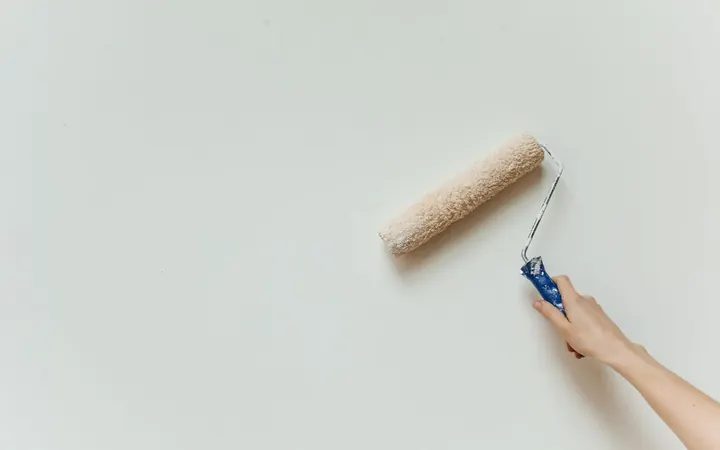
Those paint drying time living room walls figures assume a room at about 77 degrees Fahrenheit and 50 percent relative humidity, the test condition printed on most paint data sheets. A cold room, a damp day or a thick coat will stretch every one of those times. A warm room with good air flow will usually hit the faster end of the range, but it will not shorten the cure time to a few days.
Here is a simple comparison for the paint types you are most likely to meet indoors.
| Paint type | Dry to touch | Ready for a second coat | Fully cured |
|---|---|---|---|
| Latex or acrylic wall paint | About 1 hour | 2 to 4 hours | 2 to 4 weeks |
| Latex primer | 30 minutes to 1 hour | 1 to 2 hours | Covered by topcoat |
| Oil based or alkyd paint | 6 to 8 hours | 16 to 24 hours | Several weeks |
The brands mostly agree, with small differences that matter when you plan a second coat on the same day. Sherwin Williams Emerald Interior and SuperPaint Interior list about 1 hour to touch dry and about 4 hours before recoating at 77 degrees Fahrenheit and 50 percent relative humidity. Benjamin Moore Regal Select lists about 1 hour to touch dry and 1 to 2 hours before recoating, so it is the quicker of the two for a same day second coat.
Benjamin Moore Aura lists about 1 hour for both stages, and BEHR Premium Plus lists about 1 hour to touch dry and about 2 hours before recoating. Your own can beats every guide here, so read it before you start.
What Changes Drying Time?
Temperature moves the clock more than anything else. Most interior paint works best between 50 degrees Fahrenheit and 85 degrees Fahrenheit, and paint drying time living room walls stretches fast outside that band. Below 50 degrees Fahrenheit, latex paint may never form a proper film, even if it feels dry on the surface.
Above 85 degrees Fahrenheit the trouble flips. The surface can skin over too fast and trap water underneath, which can cause blistering or a soft finish that never quite hardens.
Humidity comes next. Paint dries as water leaves the film and enters the air, and when the air is already damp, that water has nowhere to go, so drying slows down.
A rainy day, a room with no air flow, or a house with the heating off in winter can all add hours to paint drying time living room walls. A dehumidifier in a damp room can help, but do not aim it straight at a wet wall.
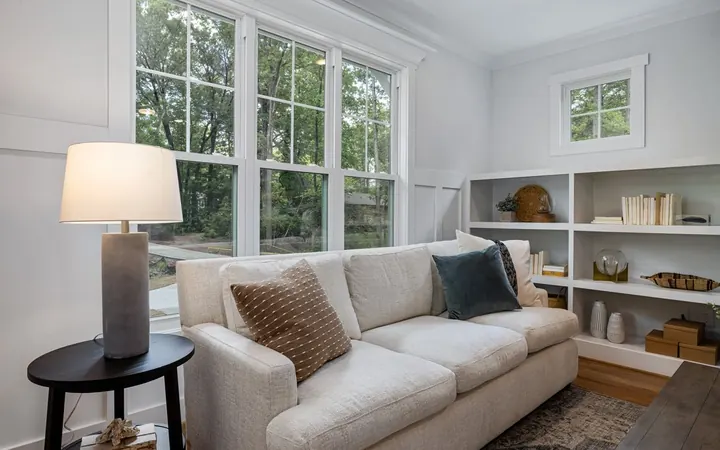
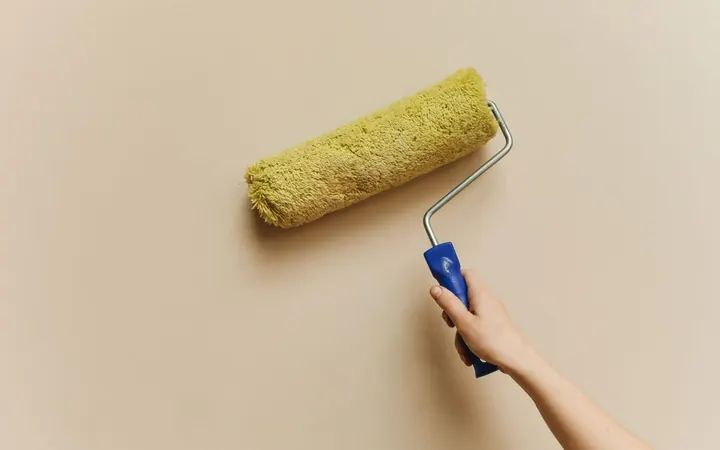
Coat thickness matters just as much as the weather in the room. A thick coat takes far longer to dry than two thin coats, and it is more likely to sag, wrinkle or stay soft in the middle. A good rolling technique lays down an even thin coat and keeps a wet edge as you work across the wall.
Load the roller well, roll in a W pattern, then smooth it out with light parallel strokes, and resist the urge to go back over a patch that has started to set.
Finish plays a part too, and paint drying time living room walls shifts by minutes rather than hours here. Flat and eggshell finishes usually dry a little faster than semi gloss or gloss finishes, because gloss paints form a thicker, harder film. Dark colors can take a little longer too, because they often need more coats for full coverage.
The difference is usually measured in minutes for touch dry time, but it can matter when you are planning a second coat on the same day.
Your paint finish choice affects more than looks. A flat finish hides wall flaws but is harder to wash, and an eggshell finish is a common living room choice because it balances a soft look with easier cleaning.
A semi gloss finish is tougher and easier to wipe, which suits walls near doors and light switches, but it shows bumps more clearly.
How Can You Help Paint Dry Faster?
Moving air is the safest way to hurry paint drying time living room walls along. Open windows on opposite sides of the room if the weather allows, so air moves across the walls rather than sitting still, and run a ceiling fan on a low setting or place a floor fan so it blows air across the room, not directly at one wet patch.
Direct heat on one spot can skin the paint over and trap moisture below, so keep heaters well back from the wall.
Keep the room at a steady comfortable temperature. If you painted on a cool day, gentle heating helps, but avoid a sudden blast of hot air, and keep the room free of steam and cooking moisture while the paint dries.
Close the door to a steamy bathroom or kitchen if you can, and wait until the paint is touch dry before you run a shower nearby.
Thin coats beat every shortcut. Two thin coats dry faster in total than one heavy coat, and they give a smoother, stronger finish, so let the first coat reach its full recoat time before you start the second.
Rushing the second coat can pull the first coat off the wall and leave roller marks that show through the finish.
When Can You Use the Room Again?
After 24 hours, most latex painted living rooms are fine for light use. You can walk through, sit on a sofa placed away from the wall, and watch television as normal. That first day back is the payoff for respecting paint drying time living room walls, not for rushing it. Keep the room ventilated and avoid leaning anything against the walls.
Paint may still be soft, so a chair back pressed hard against a fresh wall can leave a mark that stays there for good.
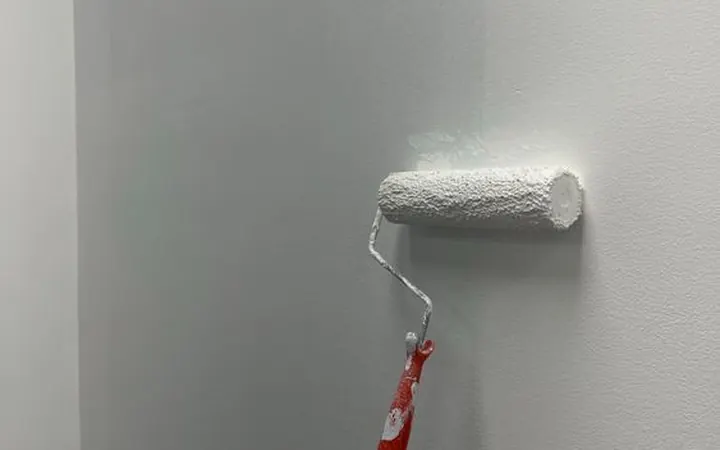
Move furniture back with care after the paint is fully touch dry and no longer cool to the touch. Leave a small gap between furniture and the wall for the first few days if you can.
Hold off washing the walls for 30 days. Benjamin Moore and Sherwin Williams both put the wait at 30 days in their general care guidance, and some products reach washable hardness sooner, so check your own can.
After 30 days, wash gently with a soft cloth and mild soap, and hold off hard scrubbing until the paint has cured fully.
Pictures and wall hangings need more patience. A nail or hook can pull soft paint away from the wall, and a heavy frame can stick to a fresh film. Light items can go up after 7 days if you must hang them, and heavy mirrors or shelves wait for the full cure.
When you do hang items, check that the wall feels hard and dry, not cool or slightly tacky.
A Real Living Room Example
Take a living room that measures 12 feet by 15 feet with 8 foot ceilings. The wall area is about 432 square feet before you subtract doors and windows. After those openings, the paintable wall area is often close to 380 square feet.
At the Sherwin Williams coverage figure of about 350 to 400 square feet per gallon on smooth walls, one gallon covers one coat in this room, so two coats need about two gallons, plus a little extra for touch ups.
Here is how the day could run with a latex paint that lists a 4 hour recoat time. Start the first coat at 9 in the morning and finish rolling by 11 in the morning. Let it dry until 3 in the afternoon, then start the second coat.
Finish by 5 in the afternoon, and the walls will feel dry to the touch by about 6 in the evening. You can use the room lightly the next day, move furniture back carefully after that, and wash the walls only after 30 days. That plan shows why paint drying time living room walls adds up to a full day job, even when each coat dries in hours.
Now change one factor and the plan changes. Paint the same room on a damp 60 degree Fahrenheit day with the windows closed, and the first coat may still feel cool at 3 in the afternoon. In that case, wait until the wall feels dry and no longer cool before recoating, even if that pushes the second coat to the next morning.
A delayed second coat is far better than a ruined first coat.
Your Drying Day Checklist
Keep this checklist beside the can on painting day so you do not have to guess at each stage of paint drying time living room walls.
- Read the can before you open it and write down the touch dry, recoat and wash times for your exact product.
- Check the room temperature and aim for 50 to 85 degrees Fahrenheit with steady air flow.
- Roll thin even coats and keep a wet edge so the finish stays smooth.
- Wait the full recoat time, and test a small hidden area before you roll the second coat.
- Keep children and pets out of the room until the paint is touch dry, and keep the room ventilated.
- Leave a gap between furniture and walls for the first few days after painting.
- Leave washing for 30 days, and leave scrubbing and heavy hanging until the paint has fully cured.
Good prep work also protects your drying time. Clean walls, filled holes and a primed surface help paint grip evenly, so it dries evenly too. A dirty or glossy spot can dry at a different rate and show as a patch in the finish.
If you are unsure about prep, read a full painting guide before you open the first can.
Safety Notes Before You Paint
Ventilate the room well while you paint and while the paint dries, even with low odour latex paint. Keep children and pets out of the room until the paint is dry to the touch, and store paint and tools out of their reach. Never aim a heat gun or a strong heater directly at wet paint, and never paint in a room colder than the minimum temperature on the can.
If your home was built before 1978, take extra care. Old paint may contain lead, and sanding or scraping it can create harmful dust. The United States Environmental Protection Agency Renovation Repair and Painting Rule sets requirements for firms working on pre 1978 homes when work disturbs painted surfaces.
For a living room with old paint layers, get advice from a qualified professional before you sand or scrape.
When in doubt, follow the can. Maker data sheets are measured under controlled conditions, and they are the most reliable source for your product. Guides like this one walk through paint drying time living room walls, but they cannot replace the label on the paint you actually bought.
For more maker figures, see the Yard and Gallon paint drying guide and the Painters Care drying time guide, which both collect times from major brands.
Touch and Recoat Times by Product
These are the maker times behind the figures above for paint drying time living room walls, measured at 77 degrees Fahrenheit and 50 percent relative humidity. A cold or damp room stretches each one.
| Product | Touch dry | Recoat |
|---|---|---|
| Sherwin Williams Emerald Interior | 1 hour | 4 hours |
| Sherwin Williams SuperPaint Interior | 1 hour | 4 hours |
| Benjamin Moore Regal Select | 1 hour | 1 to 2 hours |
| Benjamin Moore Aura | 1 hour | 1 hour |
| BEHR Premium Plus | 1 hour | 2 hours |
Regal Select is the quick one for a same day second coat, and Emerald is the slow one, so the can in your hand sets the day, not the average.
Sources for this guide
Touch and recoat times come from the makers’ own data sheets: Sherwin Williams Emerald Interior and SuperPaint Interior, Benjamin Moore Regal Select and Aura, and BEHR Premium Plus. The Yard and Gallon paint drying guide collects the same label times in one place.
Yard and Gallon, How Long Does Paint Take to Dry on Walls. Benjamin Moore, How to Clean and Maintain Freshly Painted Walls and Cabinets. BEHR Premium Plus Interior Flat, product data.
Related guides
- How to Paint Living Room Walls Like a Professional for 2027
- Best Paint for Living Room Walls: Types and Finishes for 2027
- Interior Painting Guide From Prep to Final Coat for 2027
- How Much Does It Cost to Install a Ceiling Fan in 2027
Common Questions
How long does paint take to dry on living room walls?
Most latex paint feels dry to the touch in about 1 hour and is ready for a second coat in 2 to 4 hours, though some brands need the full 4 hours. Full cure takes 2 to 4 weeks, and Benjamin Moore puts it at about 30 days, so hold off washing the walls or hanging anything heavy until then.
Can I sleep in a freshly painted living room?
You can usually use the room lightly after 24 hours if it is well ventilated and the paint feels dry. Keep air moving, avoid sleeping with your head against a fresh wall, and choose a low odour paint if smell bothers you.
What happens if I recoat too soon?
Recoating too soon can pull the first coat off the wall, cause wrinkling, and leave roller marks. If that happens, let the wall dry fully, sand the damaged area lightly once dry, and recoat with a thin even coat.
Does a fan help paint dry faster?
Yes, gentle air flow across the room helps water leave the paint film, which speeds drying. Aim the fan across the room rather than directly at one wet patch, so the paint dries evenly.
How long should I wait before cleaning painted walls?
Give latex walls a full month before you wash them. Both Benjamin Moore and Sherwin Williams put the wait at 30 days in their general care guidance, so wash gently at first and save hard scrubbing until the paint has cured fully.