Best Paint for Bedroom Walls: Types and Finishes Explained
The best paint for bedroom walls is a water based acrylic latex paint in a matte or eggshell finish, low in volatile organic compounds. Matte hides small flaws and gives a calm look, while eggshell adds a soft glow and wipes clean more easily. Choose a low VOC paint and plan on two coats for coverage.
A bedroom wall takes more wear than people expect. Pillows brush it, bags bump it, and sunlight hits it for hours each day. The right paint stands up to that life while keeping the room calm and restful.
That is why the paint matters more than a pretty color alone when you pick the best paint for bedroom walls.
This guide compares paint types and finishes, works out how much paint a bedroom needs, and gives a real cost example for a standard room. By the end you will know exactly which can to pick up at the store.
What Is the Best Paint for Bedroom Walls?
For most bedrooms, the best paint for bedroom walls is a water based acrylic latex paint in matte or eggshell. Latex paint dries fast, cleans up with water, and gives off far less odor than old oil based paint. It also flexes slightly as walls expand and contract, so it resists cracking better over time.
Matte is the top pick for a main bedroom where calm matters most. It absorbs light, hides patches and drywall seams, and gives walls a soft velvet look. Eggshell is the top pick for a room that needs more cleaning, such as a kids room or a guest room that sees frequent use.
Oil based paint, also called alkyd paint, is rarely the right choice for bedroom walls today. It dries slowly, smells strong for days, and needs mineral spirits for cleanup. Save it for trim or furniture where a hard shell matters more than easy breathing.
Which Paint Type Suits a Bedroom Wall?
Start with the base. Water based acrylic latex is the standard for interior walls in the United States, and every major brand builds its bedroom lines around it. It goes on smoothly with a roller, dries to the touch in about one hour, and lets you recoat the same day.
Next, check the VOC label. VOCs are chemicals that escape from paint as it dries, and they are the main cause of that strong new paint smell.
The federal government caps VOC content at 250 grams per liter for flat paint and 380 grams per liter for other finishes, according to Consumer Reports. Low VOC paint sits well below those caps, usually under 50 grams per liter for flat finishes, and zero VOC paint sits under 5 grams per liter, according to Consumer Reports.
For a bedroom, where you sleep for hours with the door closed, a low VOC or zero VOC paint is worth the small price premium. Look for third party seals such as GREENGUARD Gold, which tests the dried paint film for chemical emissions rather than just the liquid in the can. Note that colorants added at the store can raise VOC levels, so ask for a low VOC colorant if smell is a concern.
Primer matters too, and skipping it is the most common cause of a patchy finish. A good interior painting guide explains when primer is essential, and the short version is this: prime new drywall, prime over stains, and prime when you change from a dark color to a light one. One coat of primer also seals patched areas so they do not show through as dull spots.
Getting the prep right is the start of the best paint for bedroom walls, since even premium paint looks poor over a bad surface.
Bedroom Paint Finishes Compared
Finish means how much shine the dried paint shows, and it changes both the look and the cleaning effort. Matching the finish to how the room is used is what decides the best paint for bedroom walls in a given room. Five finishes sit on the shelf, and here they are side by side.
| Finish | Shine | Hides flaws | Cleaning | Best bedroom use |
|---|---|---|---|---|
| Flat | None | Excellent | Hard to clean | Ceilings and low traffic guest rooms |
| Matte | Very low | Very good | Light cleaning | Main bedroom walls |
| Eggshell | Soft glow | Good | Wipes clean | Kids rooms and busy bedrooms |
| Satin | Light luster | Fair | Easy to clean | Doors, trim, and scuff prone walls |
| Semi gloss | Noticeable shine | Poor | Very easy to clean | Trim, doors, and baseboards only |
Flat and matte hide the most flaws because they scatter light instead of reflecting it. That is why a wall with patches, seams, or slight texture looks smoother in matte than in satin. The trade off is cleaning: scrub a flat wall hard and you can burnish it, leaving a shiny patch that never matches.
Eggshell sits in the sweet spot for most bedrooms. It keeps most of the flaw hiding power of matte while adding enough resin to survive wiping. Satin goes one step further on durability, but its shine shows every bump, so it suits trim and doors better than large wall areas.
Shoppers decide the best paint for bedroom walls here, by weighing cleaning against flaw hiding.
Semi gloss and gloss belong on woodwork, not on bedroom walls. Their shine magnifies dents and roller marks, and a whole wall in semi gloss can feel harsh in a room meant for rest. Use them where hands touch often, such as door frames and baseboards, where easy wiping matters most.
Which Finish Fits Your Bedroom?
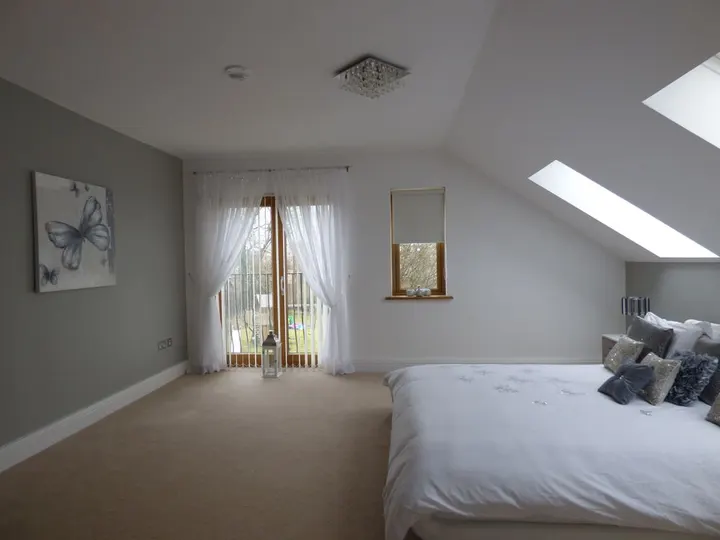
A main bedroom suits matte. The room is low traffic, the light is often soft, and the goal is a calm backdrop for sleep. A scrubbable matte line, such as Sherwin Williams Duration or Benjamin Moore Regal Select, adds wipe resistance without adding shine.
A kids room suits eggshell or satin. Fingerprints, scuffs, and the odd crayon mark wipe off eggshell with a damp cloth, and satin survives even more frequent cleaning. If your child is young, satin on the lower half of the wall and eggshell above is a practical split, though most parents simply choose satin throughout.
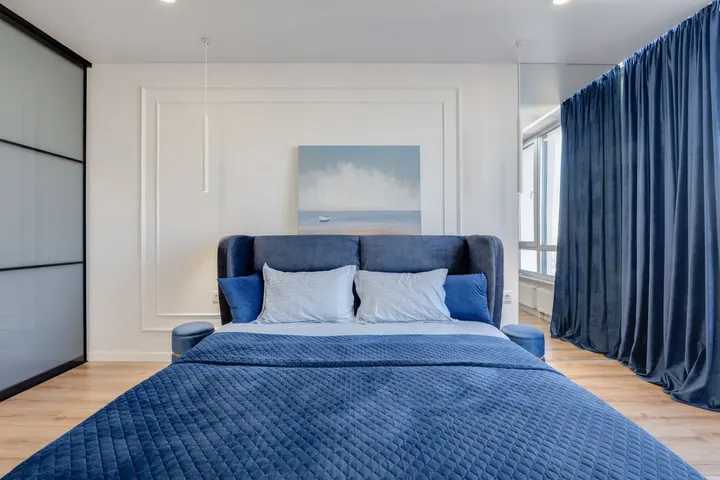
A guest room suits matte or flat, since it sees little wear and the priority is a fresh, welcoming look at low cost. A small or dark bedroom suits eggshell, because its soft glow bounces a little more light around the room than matte does. If you are comparing rooms, the best paint for living room walls guide uses the same finish logic with brighter light and heavier traffic in mind.
Ceilings take flat paint, always. Flat hides tape lines and texture on the ceiling, and its zero shine means no light bounce overhead. Trim, doors, and baseboards take satin or semi gloss, since those surfaces get touched, kicked, and cleaned far more than walls.
Whatever finish you choose, match it to how the room is actually used. That is what the best paint for bedroom walls comes down to, not the prettiest label.
How Much Paint Does a Bedroom Need?
Work from the wall area, not from guesswork. A standard 12 foot by 12 foot bedroom with 8 foot ceilings has about 384 square feet of wall area once you subtract one door and one window. Paint makers quote coverage of 350 to 400 square feet per gallon for one coat on smooth walls, based on data from Sherwin Williams and Benjamin Moore.
Two coats are the norm for an even finish, so that room needs about 768 square feet of coverage. At 350 square feet per gallon, that is 2.2 gallons, so buy 3 gallons to be safe, or 2 gallons plus a quart for touch ups. Textured walls drink more paint, dropping coverage toward 250 to 300 square feet per gallon, so add an extra gallon for heavy texture.
That math is part of choosing paint on a budget, since a cheaper gallon that needs three coats costs more than a premium gallon that needs two, and the best paint for bedroom walls is often the one that covers in two.
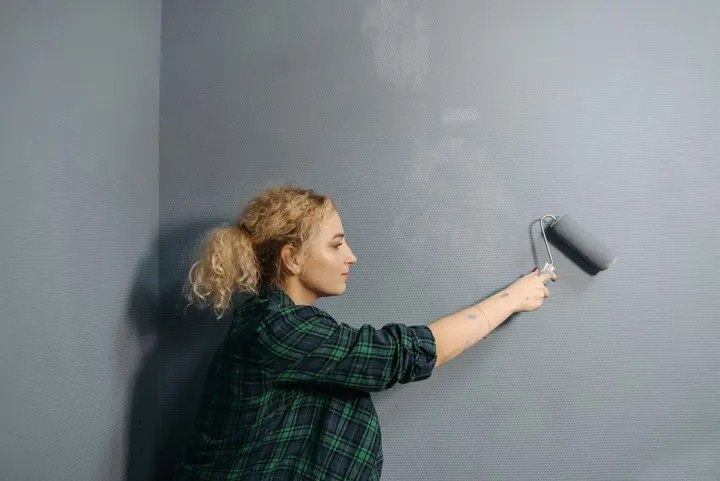
Here is a real cost example for that 12 foot by 12 foot room, using dealer prices listed in 2026. Behr Marquee runs about $44 to $52 per gallon at The Home Depot, so 3 gallons cost about $132 to $156. Benjamin Moore Regal Select runs about $55 to $70 per gallon at dealer pricing, so 3 gallons cost about $165 to $210. Retail list prices run higher, and PaintDeck lists Regal Select at $79 to $85 per gallon, so check whether your quote is dealer or list before you compare.
Benjamin Moore Aura, the premium line, runs about $85 to $90 per gallon, so 3 gallons cost about $255 to $270. Add about $30 to $50 for supplies such as a roller frame, covers, tape, and a tray.
One coat coverage claims deserve caution. Behr Marquee advertises one coat coverage, and that claim holds up on same color repaints, but it rarely holds on a drastic color change. Budget for two coats on any big color shift, and treat a one coat result as a bonus rather than a plan.
How to Pick and Test Your Paint Step by Step
Choosing well takes one afternoon of testing, and it prevents the most expensive mistake in painting, which is repainting a color you dislike. Follow these steps in order.
- Measure your walls and work out the gallons using the math above, then add 10 percent extra for touch ups.
- Pick your finish first using the room guide above, then pick your color, since finish changes how a color reads.
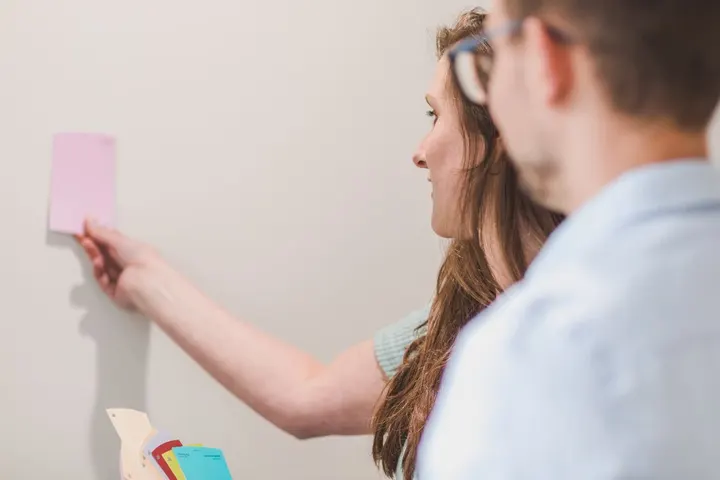
- Buy sample quarts in your top two or three colors and paint large swatches, about 2 feet square, on the wall itself.
- Look at each swatch in morning light, evening light, and lamplight before you decide, since color shifts a lot through the day.
- Check the VOC label and the GREENGUARD Gold seal if the room belongs to a child or someone sensitive to smell.
- Buy your full paint quantity in one batch so every gallon comes from the same mix and matches exactly.
Testing on the wall beats testing on a paper card.
This testing step is what turns a good guess into the right can for your light and your furniture, and the best paint for bedroom walls is the one that passes that test.

Mistakes to Avoid With Bedroom Paint
The first mistake is picking gloss for walls. Gloss shows every flaw, and on a large wall it can look harsh under bedroom lamps. Keep gloss on trim where its toughness pays off.
A wall painted in the wrong finish is the most common reason people rebuy, so treat finish as part of the decision for the best paint for bedroom walls, not an afterthought.
The second mistake is skipping primer on a color change. Dark red or navy walls bleed through light paint, and without primer you can need three or four coats to hide them. One primer coat costs less than an extra coat of premium paint.
The third mistake is painting in bad conditions. Latex paint needs air movement and moderate humidity to cure well. Open windows, run a fan across the room rather than straight at one wet patch, and avoid painting when the room is cold and damp.
The fourth mistake is ignoring paint drying time before moving furniture back. Walls feel dry in about one hour, but the film stays soft for days. Wait at least 24 hours before pushing a bed or dresser against a fresh wall, and wait two weeks before washing or scrubbing it.
Bottom line: matte or eggshell latex with low VOC content, bought in enough quantity for two coats, is the best paint for bedroom walls for most homes.
Safety Notes Before You Start
Ventilate the room well while you paint and while the paint dries, even with low VOC paint. Open a window, keep the door open, and run a fan to move air out of the room. If anyone in the home has asthma or chemical sensitivity, choose a zero VOC paint and keep the room empty overnight.
Before you sand anything, check the age of the house. Homes built before 1978 may have lead paint under newer layers. Sanding or scraping old paint in such a home can release lead dust, which is a serious health risk, especially for children.
The United States Environmental Protection Agency Renovation, Repair and Painting Rule sets requirements for firms working on pre 1978 homes, so test for lead before you sand and hire a certified firm if lead is present.
Three Colors That Work in Real Bedrooms
Color and finish work together. The best paint for bedroom walls in a dark room is a light color in a matte finish, because it bounces what little light there is instead of throwing it back as glare. Two more families of color earn their place here. A dusty pink or mauve, such as Dead Salmon No. 28 or Cinnamon Slate 2113-40, warms a bedroom without shouting, and Block Renovation lists both among its bedroom picks. A deep brown, such as Turkish Coffee SW 6076, suits one accent wall behind the bed, with pale bedding to keep it from feeling heavy. Paint a swatch on the wall and live with it for two evenings before you commit, since the best paint for bedroom walls is the one that still looks right in your light at night.
| Color | Maker and code | How to use it |
|---|---|---|
| Swiss Coffee | Benjamin Moore OC-45 | A warm creamy off white with a light reflectance value near 82. Use it on all four walls when the room gets little sun. |
| Naval | Sherwin-Williams SW 6244 | A deep navy. One accent wall only, behind the bed, with pale bedding and warm lamps to keep it from feeling cold. |
| Alabaster | Sherwin-Williams SW 7008 | A soft warm white with a light reflectance value of 82, the closest Sherwin-Williams feel to Swiss Coffee. Use it on walls and trim together for a calm, unbroken look. |
Paint a large test patch on the wall and look at it in the morning and again in the evening. A color that looks right at noon can turn gray or yellow under a bedside lamp, and the test patch costs far less than a repaint.
Related guides
- Interior Painting Guide: From Prep to Final Coat
- Best Paint for Living Room Walls: Types and Finishes Explained
- Paint Drying Time Living Room Walls Explained for 2027
- How Much Paint for Bedroom Walls in 2027
- Bedroom Walls Painting Mistakes to Avoid in 2027
- Paint Drying Time Bedroom Walls Explained for 2027
- How to Paint Bedroom Walls Like a Professional in 2027
Common Questions
What paint finish is best for a bedroom wall?
Matte or eggshell suits most bedroom walls. Matte gives the calmest look and hides flaws best, while eggshell adds wipe clean durability for busier rooms. Use flat on the ceiling and satin or semi gloss on trim.
Is matte or eggshell better for a bedroom?
Matte is better for a main bedroom where calm and flaw hiding matter most. Eggshell is better for a kids room or any bedroom that needs frequent wiping. Both look soft and restful, so the choice comes down to how often the walls get touched.
How many gallons of paint does a bedroom need?
A standard 12 foot by 12 foot bedroom needs about 2 to 3 gallons for two coats, depending on texture and color change. Work from 350 to 400 square feet per gallon for one coat on smooth walls, then add 10 percent extra for touch ups.
Is low VOC paint worth it in a bedroom?
Yes, low VOC paint is worth it in a bedroom, since you sleep in the room for hours with the door closed. Low VOC paint sits under 50 grams per liter for flat finishes, and zero VOC paint sits under 5 grams per liter. Look for the GREENGUARD Gold seal for third party emission testing.
Can I use satin paint on bedroom walls?
Yes, you can use satin on bedroom walls, and it is a smart choice for a kids room or a scuff prone wall. Satin wipes clean easily and resists marks well. Just know that its shine shows wall flaws more than matte or eggshell does.
Sources: Angi bedroom paint finish guide; Behr paint coverage guide; Consumer Reports on VOC limits in paint; Benjamin Moore and Sherwin Williams published coverage rates. External links in this article point to Behr coverage guide and Consumer Reports VOC guide.