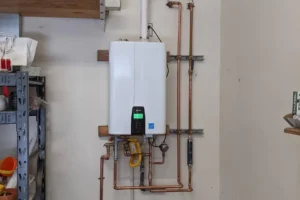
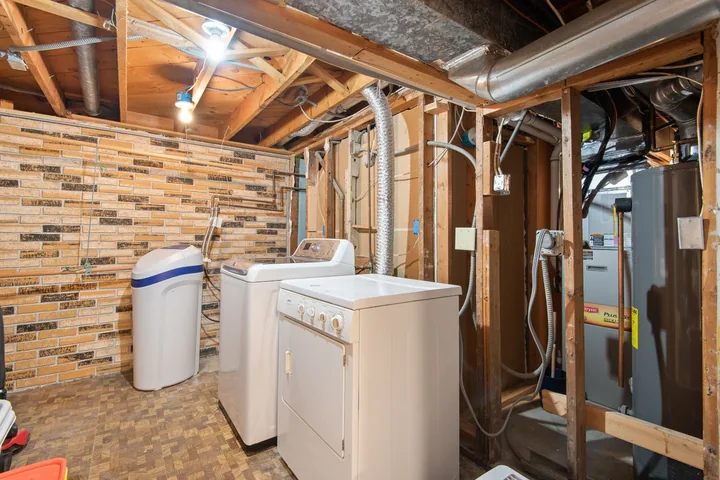
How to Drain Electric Water Heater in 2027
Switch off the breaker, shut the cold water inlet, and let the tank cool, then hook a hose to the drain valve, open a hot tap, and let the tank empty. Rinse it with bursts of water until the flow runs clear, refill the tank, and switch the breaker back on. That is how to drain electric water heater tanks.
The repair bill stung. The part that failed was a small metal rod that cost less than a dinner out, and the whole job took the plumber under an hour.
Ray had asked a handyman to drain the tank in his garage. The man opened the drain valve with the power still on, and the lower heating element cooked itself in the open air before the tank was half empty.
Nobody had told Ray the one rule that matters most with an electric tank. The breaker comes first, and it stays off until the tank is full again. That rule is the heart of this guide, and once you know it, the rest of the job is a hose, a bucket, and an hour of your Saturday.
What makes an electric water heater different?
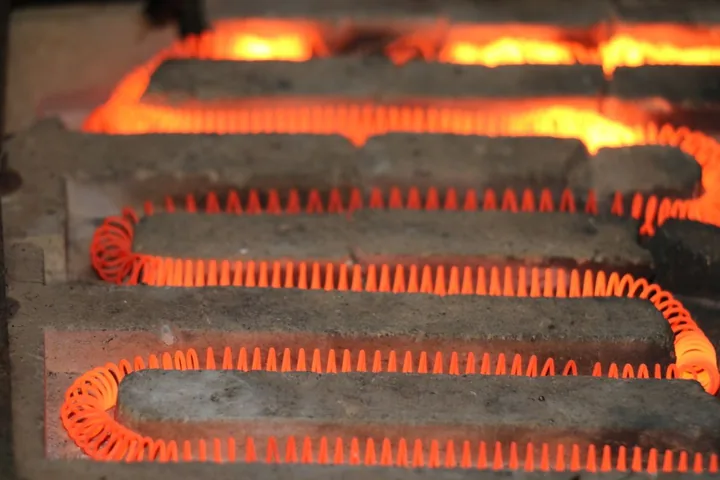
An electric tank heats water with two metal rods called heating elements, one near the top and one near the bottom. Each element sits inside the water, with its own thermostat that switches it on when the water around it cools down.
That is the whole difference, and it changes the job. A gas heater has a flame under the tank and a pilot light to relight. An electric heater has no flame, no pilot, and no gas to shut off.
It has a breaker in your electrical panel, and that breaker is the only thing standing between a routine drain and a dead element. Once you see those two rods, you see why learning how to drain electric water heater tanks always starts at the breaker panel.
Our guide to how a water heater works explains the tank, the elements, and the thermostats in plain words, with a diagram of where each part sits.
Sediment is the reason you drain the tank at all. Tap water carries dissolved minerals, mostly calcium and magnesium, and heat drops them out of the water to sink as a gritty layer that grows thicker with every heating cycle.
On an electric tank, that layer is worse than on a gas tank. It buries the lower element, so the element runs hotter and longer to heat the water above it. Rheem says the same thing in its flushing guide: sediment acts like insulation, so the heater runs longer, uses more energy, and wears out faster.
The trapped water under the layer can boil into steam bubbles, which is the popping and rumbling sound owners hear when the heater runs. Learning how to drain electric water heater tanks once a year clears that layer before it can bury the element.
How often should you drain an electric water heater?
Once a year is the right rhythm for most homes. Rheem prints that schedule in its flushing guide, and it is the number to start with when you learn how to drain electric water heater tanks for the first time.
Hard water shortens the gap. If your water leaves white scale on taps and shower heads, Rheem says to flush every 6 months instead of once a year. Your hardness number sits in the water quality report your supplier must publish every year, and anything above 7 grains per gallon counts as hard.
Rheem electric manual AP21980 adds a lighter routine on top of the yearly flush: drain a few quarts every month to clear hard water deposits, and pull the anode rod once a year. The US Department of Energy suggests its own light routine: draw about a quart from the tank every 3 months, and test the temperature and pressure valve every 6 months.
A. O. Smith sets a different first date: its Use and Care Guide wants the first drain and flush after the first 6 months of operation, because that first flush tells you how much sediment your water leaves behind. Your own manual wins wherever it differs from these numbers, so read the label on your tank before you pick a date.
| Your water | Full drain and flush | Light routine |
|---|---|---|
| Soft or normal | Once a year | About a quart every 3 months |
| Hard, above 7 grains per gallon | Every 6 months | A few quarts every month |
| Well water with visible grit | Every 6 months | A few quarts every month |
| New tank, first year | After the first 6 months | Check what the first flush shows |
Three signs tell you the tank is overdue, even if the calendar says otherwise. The heater pops or rumbles when it runs, the shower goes lukewarm halfway through, or the water runs rusty for a few seconds when you first open a hot tap.
Any one of those means the sediment layer has grown thick enough to matter, and the drain cannot wait for a free weekend, which is why learning how to drain electric water heater tanks on a schedule beats waiting for a symptom.
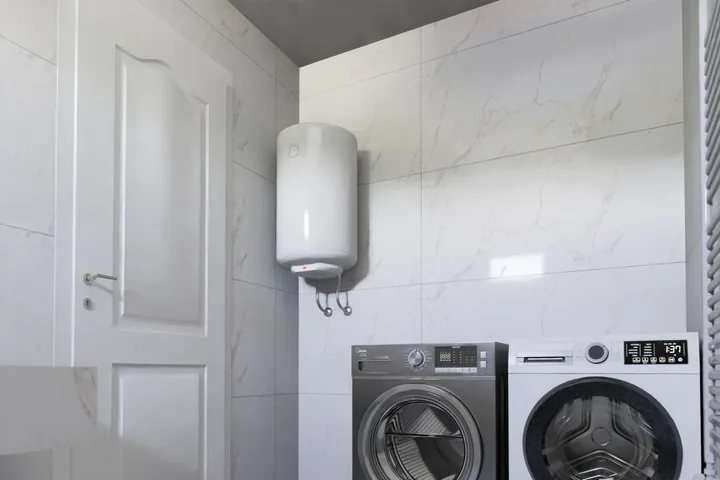
If you want the short general version first, our guide to how to drain a water heater covers the same job for gas and electric tanks in fewer steps. This guide goes deeper on the electric only parts: the breaker, the elements, and the dry fire risk.
What you need before you start
You need less gear than you think, and all of it is cheap: a garden hose long enough to reach a floor drain or outside, a clear bucket, old towels, a flat head screwdriver, work gloves, safety glasses, and a flashlight.
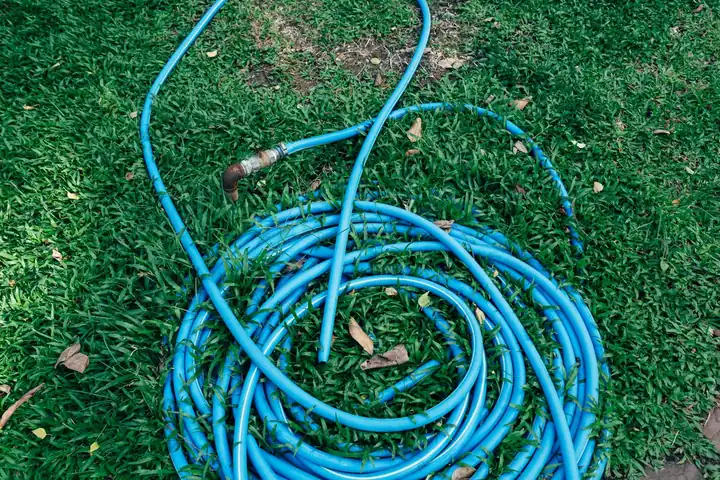
Two items are easy to forget, and both matter on an electric tank. The first is a voltage tester, the pen style tool that beeps near a live wire, which proves the power is really off before you touch anything.
The second is a roll of tape and a marker, so you can tape a note over the breaker that says the heater is off for draining. The tester costs little, so buy one before you learn how to drain electric water heater tanks.
Keep a phone nearby too. Before you learn how to drain electric water heater tanks, take a photo of the breaker panel with the heater breaker marked, so you can find it again without guessing. A photo of the drain valve helps as well, because the valve sits low where the light is poor.
Kill the power at the breaker first
This is the step that makes an electric drain different from every other drain job in the house. On a gas heater, you turn a dial. On an electric heater, you walk to the electrical panel and switch the heater off at the breaker, before you touch any valve.
Find the breaker marked Water Heater in your panel. It is a double pole breaker, which means it takes up two slots side by side, and it is usually a 30 amp breaker on a standard tank.
Fine Homebuilding puts it the same way: a double pole breaker, typically 30 amp or 20 amp, flipped to the off position. Engineer Fix lists 30 amp or 40 amp on the tanks it covers, so trust the label on your panel, not a guess.
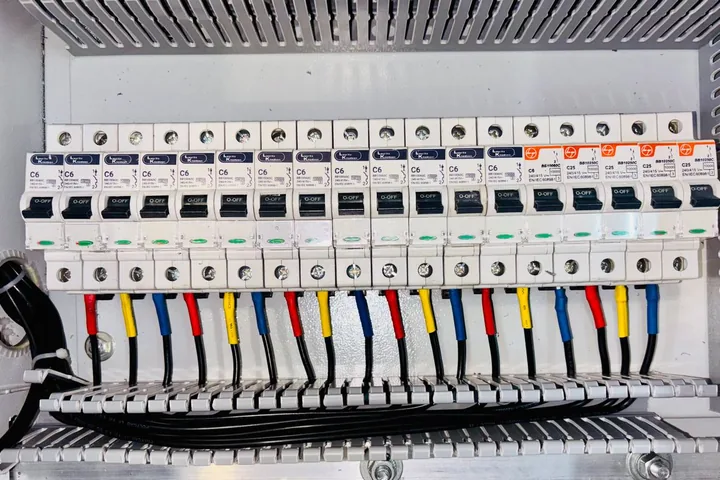
Flip it firmly to off, then tape your note over it so nobody in the house flips it back while you work. A second person who does not know the tank is draining can undo the whole job with one flick of a finger, and that is exactly how elements die. A taped breaker is cheap insurance, and it is part of learning how to drain electric water heater tanks without a surprise.
Now prove the power is off. Hold the voltage tester near the wires at the top of the heater, where the cable enters the junction box, and check that it stays silent.
If you do not own a tester, listen and look instead: no hum from the tank, no indicator light, and no warmth building on the tank wall. If anything still feels live, stop and call an electrician, because guessing about power is never worth it.
The reason is simple and brutal. A heating element is a metal rod that glows hot enough to heat water, and it only survives because water carries the heat away.
The moment the water level drops below the top of the element, the exposed part heats in open air and burns out, usually in seconds. Rheem lists this in its manual as dry fire, and it warns you to make certain the tank is completely full before you put it back in operation.
That warning is the reason the breaker stays off until the very last step of this guide. Not the second to last step. The last one.
Let the water cool down
Tank water sits at 120 degrees or hotter, and it can scald you through a garden hose. FixReminder puts a number on it: water at 140 degrees can scald skin in under 5 seconds, which is why the US Department of Energy recommends a setting of 120 degrees for most homes.
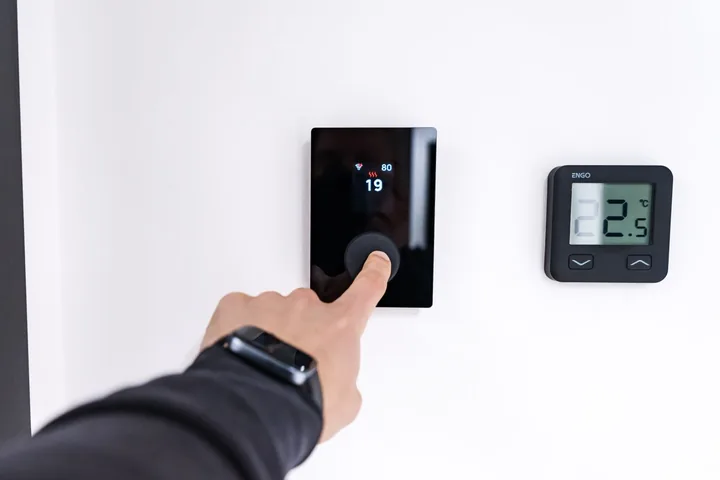
Give the tank a few hours to cool after you switch the breaker off, or switch it off the night before and finish in the morning. A. O. Smith says the same thing in its drain guide: turn the heater off a few hours before you drain it, and let the water cool first. A cool tank is a safe tank, and waiting is the easiest part of learning how to drain electric water heater tanks.
If you are short on time, run a hot shower or a hot tap for a while to draw the heat out and let cold water take its place. That trick helps, but it does not replace the wait, so keep your gloves on and your hands away from the hose end for the first few minutes.
While the tank cools, find the cold water shutoff valve on the pipe going into the top of the tank, usually marked with blue. Turn it clockwise until it stops, so no fresh water gets into the tank while you work.
How to drain an electric water heater, step by step
Plan on 1 to 2 hours from start to finish. A 40 or 50 gallon tank takes 20 to 40 minutes to empty on its own, according to A. O. Smith, and the rest of the time goes to cooling, rinsing and refilling. Give yourself the full two hours the first time you learn how to drain electric water heater tanks, and work the steps in order.
If your heater burns gas, not electricity, this is the wrong guide for it. Our guide to how to drain a gas water heater covers the pilot light, the gas shutoff, and the relight steps that an electric tank never needs.
Step 1: Switch the breaker off. Flip the double pole water heater breaker to off, tape your note over it, and prove the power is dead with a voltage tester. Do this first, before any valve moves, because everything after it depends on the elements staying cold.
Step 2: Close the cold water inlet. Turn the shutoff valve on the cold line above the heater clockwise until it stops. This keeps fresh water from refilling the tank while you drain it, which would stretch a 30 minute job into an endless one.
That valve is easy to miss when you first learn how to drain electric water heater tanks, so find it during the cool down, not after the hose is already on.
Step 3: Open a hot water faucet. Choose the hot tap nearest the heater and leave it open. That open tap lets air into the tank, so the water keeps flowing instead of stopping and starting.
You can also lift the lever on the temperature and pressure relief valve near the top of the tank, which does the same job.
Step 4: Attach the garden hose. Thread the hose onto the drain valve low on the tank, then run the far end to a floor drain, a sump pit, or outside, keeping it downhill all the way so gravity does the work. The hose end must sit level with or below the bottom of the heater, or water will stay in the tank.
Step 5: Open the drain valve. Ease the valve open a little at a time with a flat head screwdriver, and keep your hands away from the hose end. The first water out is the hottest and the dirtiest, so let it run until the flow slows to a trickle, which takes 20 to 40 minutes on most tanks.
Watch the bucket during those first minutes, because the color of the water tells you how much sediment you are dealing with, and that is the moment most owners understand why learning how to drain electric water heater tanks matters.
Step 6: Rinse the sediment out. Leave the drain valve open and switch the cold water on for 10 to 15 seconds at a time. Each burst stirs the grit on the tank floor and washes it out through the hose, so keep going until the water runs clear.
This rinse is what turns a drain into a flush, and our guide to how to flush a water heater covers the full flush routine in detail.

Step 7: Close the drain valve. Shut the valve tight and take the hose off. Check the valve for drips, because a valve that has sat untouched for years often weeps a little after it moves for the first time.
A slow drip usually stops once the washer seats again, and a steady leak means the valve needs replacing.
Step 8: Refill the tank. Open the cold water inlet all the way and let the tank fill, keeping the hot faucet open. The tap will sputter and spit as air leaves the pipes, then run smooth and steady, which tells you the tank is full.
Let it run full for at least 3 minutes, so no air stays trapped in the tank or the lines.
Step 9: Switch the breaker back on, last. Only now, with the tank full and the faucets running steady, flip the breaker back on. The elements are covered in water again, and the tank needs 30 to 60 minutes to heat back up.
That order, fill first and power last, is the whole secret of how to drain electric water heater tanks without killing an element.
How long does it take to drain an electric water heater?
The drain itself is the shortest part of the job. Cooling takes the longest, and most owners spend more time waiting for the water to cool than doing anything else.
| Tank size | Time to empty | Source |
|---|---|---|
| 40 gallon | 20 to 40 minutes | A. O. Smith drain guide |
| 50 gallon | 20 to 45 minutes | ABS Pipes |
| 40 or 50 gallon, heavy sediment | 30 to 60 minutes | Engineer Fix |
| Whole job, first time | 1 to 2 hours | Weeks Service Company |
| Reheat after refill | 30 to 60 minutes | Weeks Service Company |
Heavy sediment is what stretches the clock. Grit narrows the drain valve opening, so the flow slows to a trickle long before the tank is empty.
If your tank has never been drained, budget the full two hours, and do not plan a shower for the hour after you switch the breaker back on. Those numbers are the reason most owners learn how to drain electric water heater tanks on a Saturday morning, when a slow drain costs nothing but time.
What if the drain valve only trickles?
A strong flow that fades to a trickle usually means sediment has plugged the valve from the inside. Shut the valve, crack the cold water inlet open for a few seconds to push water through the blockage, then open the drain valve again. That push often clears the crust.
On a brass valve only, a stiff wire can break up the crust inside the opening. Skip that trick on a plastic valve, because the wire can chew up the threads and leave you with a leak. Never force a stuck valve with pliers, because a snapped valve floods the room.
If the valve will not open at all, or barely trickles after two tries, stop. A. O. Smith tells owners to call a plumber when the tank will not drain, and that advice is worth following.
A plumber can swap the valve or flush the tank from the top, and either fix costs less than the water damage from a valve that breaks off in your hand. A stuck valve is the most common surprise when owners learn how to drain electric water heater tanks, and it is not a reason to force anything.
The refill rule that saves your heating elements
Every electric drain job ends the same way, and the ending is where elements die. The tank must be completely full of water before the breaker goes back on, with no air left inside, and the only proof that counts is water running from a hot tap.
Open the cold water inlet and let the tank fill with the hot faucet open. The faucet sputters first, then spits, then runs smooth and steady.
That steady stream is your signal. Rheem puts it in plain words in its manual: make certain the tank is completely full before you put it back in operation.
Run that faucet full for at least 3 minutes after the stream turns steady, so the last air leaves the tank. Then close the faucet and check the drain valve and the pipe joints for drips. Only when the tank is full and leak free should you flip the breaker back on.
Think of it this way. An element in water lasts for years. An element in air lasts for seconds.
The refill rule is the only thing between those two numbers, and it costs you nothing but patience. That is the rule to repeat out loud before you learn how to drain electric water heater tanks: fill first, power last.
What a plumber charges to drain an electric water heater
The job costs almost nothing if you do it yourself. Angi puts the do it yourself cost at up to $25, which is a hose you may already own and a bucket, and your Saturday morning.
| Option | Typical cost | Source |
|---|---|---|
| Do it yourself | Up to $25 | Angi |
| Plumber, standard flush | $100 to $150 | FixReminder |
| Plumber, hard water or heavy sediment | $150 to $300 | FixReminder and Silkstone Home |
A pro visit makes sense when the tank is old, the valve is stuck, or the breaker panel is not labeled and you cannot tell which breaker feeds the heater. It also makes sense when the heater is under warranty, because some makers ask for a pro service record before they honor a claim.
What you pay for is not the hose work, it is the judgment about when to stop, and that judgment is worth the money on a tank you do not know. Either way, the money is small next to the cost of a dead element, and learning how to drain electric water heater tanks yourself pays for the hose on the first job.
An element itself is a small part, and most of a repair bill is the visit and the labor. That is why the refill rule matters: the cheapest element job is the one you never need, because you filled the tank before you touched the breaker.
Mistakes that kill electric heating elements
Most dead elements trace back to one of five mistakes, and all five are easy to avoid once you know them. The first is draining with the breaker still on, which is how Ray lost his lower element.
The second is flipping the breaker back on before the tank is full, which does the same damage at the end of the job instead of the start. Every one of them shows up in the first hour someone tries to learn how to drain electric water heater tanks without reading the manual.
The third is forcing a stuck drain valve with pliers, which snaps the valve and floods the floor. The fourth is skipping the cool down and opening the valve on a full tank of 140 degree water, which scalds hands and melts a cheap hose. The fifth is draining a tank that is over 10 years old and has never been flushed, because the sediment may be the only thing plugging pinholes in the tank bottom, and disturbing it can open leaks.
Silkstone Home warns owners about that last one in plain terms: do not flush a 10 year old tank that has never been flushed. If your tank is that old and that neglected, let a plumber look at it first, and be ready for the news that a new tank costs less than chasing leaks.
When to stop and call a pro
Some jobs are worth finishing yourself, and some are worth handing over. Stop and call a licensed plumber or electrician if the drain valve leaks steadily after you close it, if the tank body weeps water from a seam, or if the water stays rusty after a full flush, because rust after a flush can mean the tank lining is failing.
Call a pro too if you cannot find the right breaker, if the panel is unlabeled, or if you see sparking, buzzing, or a burnt smell anywhere near the panel or the heater. Electricity does not give second chances, and a pro with a meter can sort out in minutes what guessing cannot sort out at all. Knowing when to stop is part of learning how to drain electric water heater tanks well, not a failure.
The same rule holds for the wiring itself. If the cable into the heater looks scorched, if a wire nut is melted, or if the junction box cover is missing, do not touch it. Leave the breaker off and call an electrician.
Related guides
- How Does a Water Heater Work? Inside the Tank in 2027
- How to Drain a Water Heater in 2027
- How to Flush a Water Heater in 2027
- How to Drain a Gas Water Heater in 2027
Frequently Asked Questions
Do I have to turn off the breaker to drain an electric water heater?
Yes, always. Flip the double pole breaker off before you open any valve, and leave it off until the tank is full again. An element that heats in open air burns out in seconds, and that is why the breaker is step one when you learn how to drain electric water heater tanks.
How long does it take to drain an electric water heater?
A 40 or 50 gallon tank takes 20 to 40 minutes to empty, according to A. O. Smith, and the full job runs 1 to 2 hours with cooling and refilling. Heavy sediment slows the drain, so a tank that has never been flushed can take longer, and the water needs 30 to 60 minutes to heat back up after you switch the breaker on. Those are the numbers to plan around when you learn how to drain electric water heater tanks for the first time.
How often should you drain an electric water heater?
Once a year for most homes, and every 6 months if your water is hard. That is the schedule Rheem prints for owners learning how to drain electric water heater tanks, and it is the one to follow. The Rheem electric manual also suggests draining a few quarts every month to clear hard water deposits, and the US Department of Energy adds a light routine of about a quart every 3 months.
What happens if I turn the breaker back on before the tank is full?
The heating elements heat in open air and burn out, usually in seconds. Rheem calls this dry fire, and it is the most expensive mistake in this whole job. Always wait until a hot tap runs smooth and steady for a few minutes, which proves the tank is full, before you touch the breaker.
Can I drain an electric water heater myself?
Yes, most owners can, with a garden hose, a bucket, and about an hour, and learning how to drain electric water heater tanks takes no special skill beyond finding the right breaker and following the refill rule. If the tank is over 10 years old and has never been drained, or the drain valve will not open, call a plumber instead.
Why does my electric water heater pop and rumble?
That sound is water trapped under sediment boiling into steam bubbles, and A. O. Smith lists the same popping noise for lime buildup. Draining the tank clears the layer, and the noise usually stops the same day, which is the fastest payoff when you learn how to drain electric water heater tanks. If it keeps popping after a full flush, ask a plumber to check the lower element.
Electricity, scalding water, and pressure share one small tank, so respect all three. Never work on the wiring, never switch the breaker back on until the tank is full, never cap or plug the temperature and pressure relief valve, and if the tank body itself leaks, call a licensed plumber and do not wait.
Ray wrote the date on the side of his tank with a marker, and he taped a second note inside the breaker panel door: power off first, power on last. The next drain took him 40 minutes, the water ran clear on the second bucket, and the shower has stayed hot since.
Sources: Rheem, How Often To Flush Your Water Heater; Repair Me Yourself, Water Heater Maintenance; Weeks Service Company, How to Drain a Water Heater; Fine Homebuilding, Draining and Flushing a Water Heater; US Department of Energy, Energy Saver, Storage Water Heaters; Silkstone Home, How to Flush a Water Heater; FixReminder, Water Heater Maintenance for Rental Properties; Angi, How Often Should You Flush and Drain Your Water Heater; Engineer Fix, How to Safely Drain an Electric Hot Water Heater. These figures are national planning ranges drawn from the sources above, not quotes for your home, so ask a licensed local plumber for written advice before you budget or start work on an electric heater.