How to Drain a Gas Water Heater in 2027
Turn the gas control to Pilot, shut off the cold water, and let the tank cool. Connect a hose to the drain valve, open a hot tap, and let the tank drain. Rinse it in short bursts until it runs clear, refill the tank, turn the gas back to On, and that is how to drain a gas water heater.
Picture a homeowner who found out her pilot light was out in the worst possible place, the shower, on a Tuesday morning with shampoo in her hair.
She dried off, went down to the basement, and found the little flame gone. The burner had been popping for weeks, and the hot water had been running out faster than usual, but she had put both signs off until the shower went cold.
A neighbor who fixes heaters for a living took one look and told her the two problems were one problem. Grit had built up on the bottom of her tank, and learning to drain a gas water heater would fix both.
What makes a gas water heater different?
A gas heater and an electric heater do the same job in different ways, and the difference matters the moment you open a valve. A gas heater burns natural gas or propane under the tank, and a small pilot flame stands by to light the main burner whenever the thermostat calls for heat.
That pilot flame is the part electric heaters do not have. It burns all the time, and it is the reason the job takes two extra steps: turning the gas down before you drain, and relighting the pilot when you finish.
Sediment settles on the tank floor, right where the burner fires. It acts like insulation between the flame and the water, so the heater burns longer for the same hot shower, and trapped water under the layer pops as it boils. Rheem notes the same thing, and that is why learning how to drain a gas water heater once a year matters: sediment forces longer heating cycles and puts stress on the parts.
The other gas only parts are the gas control valve, the dial on the front of the tank also called the gas control knob, the thermocouple that watches the pilot flame, and the flue pipe on top that carries exhaust gas out of the house. Our guide to how a water heater works explains each part in plain words.
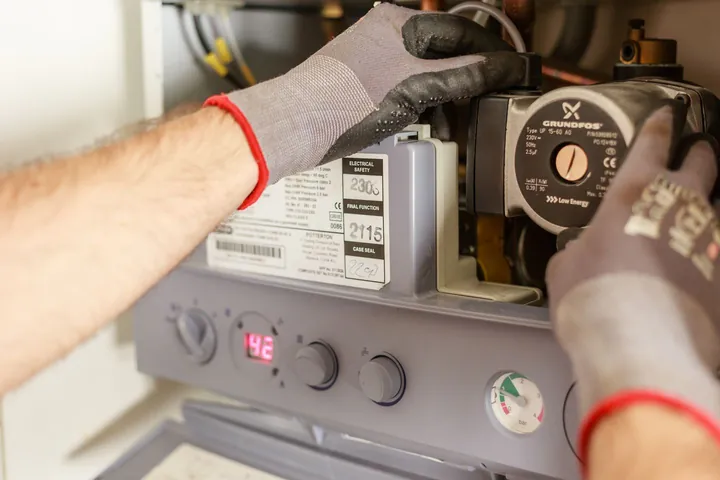
Know where those parts sit before you touch anything. The gas control valve is the box with the dial on the front of the tank, low down near the floor. The drain valve is the small spigot at the very bottom, and the flue is the metal pipe rising from the top.
Pilot or off: which setting do you pick?
The gas control dial usually has three marks: On, Pilot, and Off. For a drain job, Pilot is the right choice on most heaters, because it keeps the pilot flame burning while the main burner stays off.
Picking the wrong one is the most common mistake when owners drain a gas water heater for the first time, so here is the simple version.
| Setting | What it does | When to use it |
|---|---|---|
| Pilot | Pilot flame stays lit, main burner stays off | Normal drain job, you skip the relight step |
| Off | Pilot flame goes out, all gas to the burner stops | You smell gas, or the heater label tells you to |
| On | Heater runs as normal | Never during a drain, the burner would fire on an empty tank |
If your heater has a sealed combustion chamber, the pilot sits behind a sealed cover. Do not open panels you do not need to touch, and follow the label on your heater for the exact dial positions. Rheem manuals start a drain by turning the gas off at the manual gas shutoff valve, so use that valve if your heater label tells you to.
One more check before you start: sniff near the floor around the heater. If you smell rotten eggs anywhere near the heater, stop. Leave the house and call your gas company from outside, and do not touch any switch or dial on the way out.
Find the gas shutoff first
The dial on the heater is not the only shutoff, and the day you need the other one is not the day to go looking for it. That is the first thing to learn before you drain a gas water heater: where the gas stops.
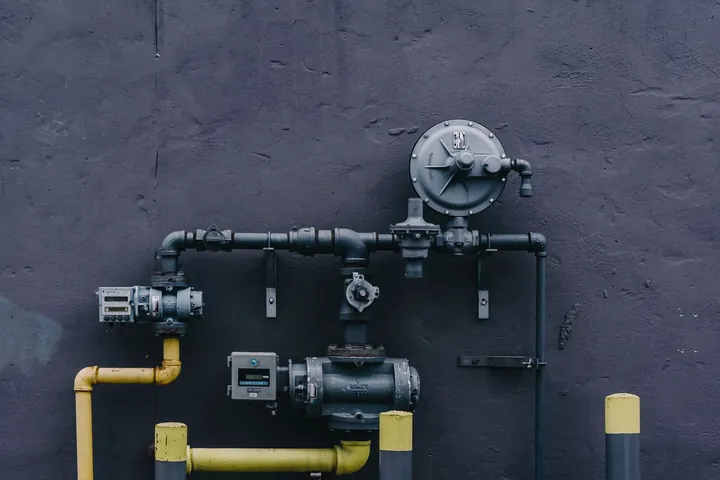
Your home has a main gas shutoff valve on the gas line near the meter, and on many heaters there is a second shutoff valve on the gas pipe right beside the tank. Find both before you start, and know which way each one turns.
The valve beside the tank usually turns a quarter turn, so the handle sits across the pipe when it is closed and along the pipe when it is open. The main valve at the meter may need a wrench, so keep one nearby and never force a valve that will not move.
What you need
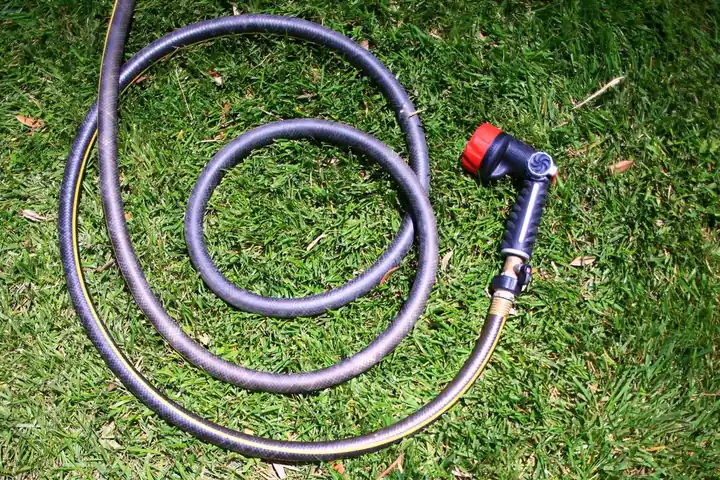
You need less gear than you think, and all of it is cheap. A garden hose long enough to reach a floor drain or outside, a clear bucket, old towels, a flat head screwdriver, work gloves, and a flashlight for the pilot window.
Keep a spare brass drain valve in the box if yours is the plastic type that came with the tank. Plastic valves stick shut after years of sitting untouched, and a brass ball valve costs about $10 to $15 at a hardware store, according to ABS Pipes.
A phone helps too. Before you drain a gas water heater, take a photo of the gas control dial, so you can put it back exactly where it was.
Step by step: drain the gas tank
Plan on 1 to 2 hours from start to finish. A 40 or 50 gallon tank takes 20 to 45 minutes to empty on its own, and the rest of the time goes to cooling, rinsing and refilling. Give yourself the full two hours the first time you drain a gas water heater, and work the steps in order.
If your heater runs on electricity, not gas, this is the wrong guide for it. Our guide to how to drain a water heater covers the electric version, with the breaker steps instead of the pilot steps.
Step 1: Turn the gas down to Pilot. Turn the dial on the gas control valve to Pilot, so the pilot flame stays lit while the main burner stops and the tank cools without the burner firing. If the dial will not turn, do not force it, because a stuck gas valve is a pro job.
Step 2: Let the water cool. Give the tank a few hours to cool, or do this step the night before and finish in the morning. Tank water sits at 120 degrees or hotter, so run a hot tap for a while to draw the heat out and let cold water take its place.
Step 3: Close the cold water inlet. The shutoff valve sits on the cold line above the heater, often marked with blue. Turn it clockwise until it stops, and no fresh water can enter the tank while you work.
Step 4: Open a hot water faucet. Pick the hot tap closest to the heater and leave it running open. Air comes in through that tap and lets the tank breathe, so the water flows out instead of glugging to a stop.
Step 5: Attach the garden hose. Thread the hose onto the drain valve low on the tank, then run the far end to a floor drain, a sump pit or outside, keeping it downhill all the way so gravity does the work. With no floor drain, run the hose out a door onto a driveway, away from plants and walkways, because hot sediment water kills grass.
Step 6: Open the drain valve. Ease the valve open a little at a time and keep your hands away from the hose end, because the first water out is the hottest and the dirtiest. Let the tank empty until the flow stops, which takes 20 to 45 minutes for a 50 gallon tank, according to ABS Pipes.
Step 7: Rinse the sediment out. Keep the drain valve open and turn the cold water on in bursts of 10 to 15 seconds. Every burst lifts grit off the tank floor and carries it out the hose, so repeat until the water runs clear.
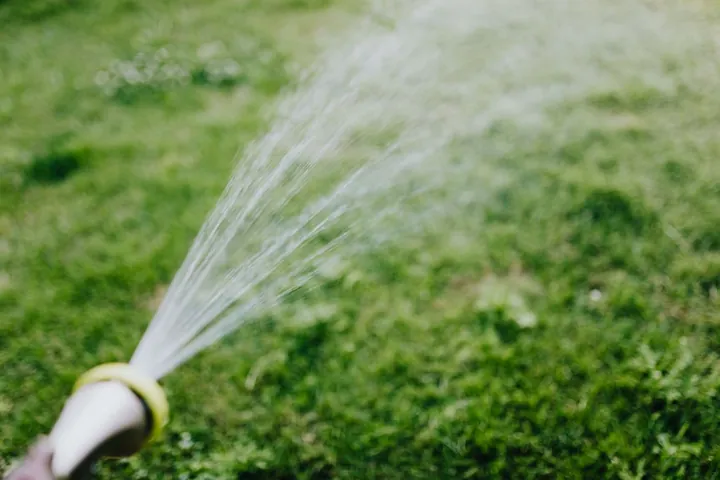
Step 8: Close up and refill. Shut the drain valve tight, take the hose off, and open the cold water inlet so the tank starts to fill. Keep the hot faucet open until the water runs smooth and steady with no sputtering, which tells you the tank is full, then shut the faucet.
Step 9: Turn the gas back to On and check the burner. Turn the gas control dial from Pilot back to On, and the main burner should light within a minute. That is the last step when you drain a gas water heater, and a full tank needs 30 to 60 minutes to heat back up.
If the pilot went out during the drain, do not turn the dial to On and hope. Relight it first, using the steps in the next section, and only then turn the dial to On.
If the valve only trickles, sediment is blocking it from the inside. Close the valve, open the cold water inlet for a few seconds to push water through, then try again. On a brass valve only, a stiff wire can break up the crust, but skip that on a plastic valve, because the wire can chew up the threads.
How to relight the pilot light
Relighting sounds harder than it is. It is the part that worries owners most, so read the label on your heater first, because the dial positions vary by brand. Rheem, AO Smith and Bradford White all print the steps on a sticker near the gas control valve.
Turn the dial to Off and wait 5 minutes. That clears any gas that built up inside the burner chamber, and skipping the wait is the one mistake that can cause a small flash when the pilot lights.
Turn the dial to Pilot, then press and hold the pilot button or the dial itself. Hold it down and light the pilot through the little window, with the piezo igniter button if your heater has one, or a long match if it does not.
Keep holding the button for 30 to 60 seconds after the flame catches, or as long as the label on your heater says. The thermocouple needs that time to heat up, and if you let go too soon the pilot goes out again.
Let go slowly and watch the flame. A healthy pilot is a steady blue flame that touches the tip of the thermocouple. Turn the dial to On, and the main burner should light.
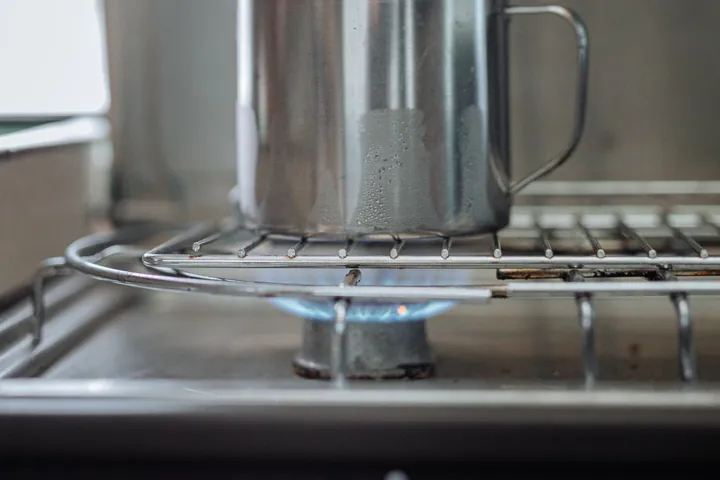
If the pilot will not stay lit after three tries, stop. The thermocouple may be worn out, or the gas control valve may be failing, and both are pro jobs. Do not keep trying, and do not bypass any safety part to force it.
What the burner flame tells you
Once the burner fires, look through the viewing window at the flame. The color tells you how the burner is doing, and it takes ten seconds. This quick check is the part most drain guides skip, and it is the one that catches a burner problem early.
| Flame | What it means | What to do |
|---|---|---|
| Steady blue with small yellow tips | Healthy burner, good gas and air mix | Nothing, this is what you want |
| Mostly yellow, lazy and tall | Poor air mix or a dirty burner | Call a plumber, do not adjust the air shutter yourself |
| Flame lifts off the burner or roars | Too much gas pressure or a vent problem | Turn the gas to Pilot and call a pro |
| Soot marks around the flue or burner door | Exhaust is not venting right | Stop using the heater and call a pro the same day |
A yellow flame also leaves soot inside the flue, and soot narrows the vent over time. If you see black marks above the burner door or around the draft hood, the heater needs a pro before the next drain, not after.
Where the drain water goes
Fifty gallons of hot, gritty water has to go somewhere safe. A floor drain or a sump pit is the best route, and a driveway is the next best, as long as the water runs away from the house and off walkways.
Keep it off the lawn and the garden. Hot water scalds grass and plants, and the sediment leaves a gritty crust on the soil. Some towns bar sediment water from storm drains, so check your local rules if you plan to drain outside, and use a floor drain when you can.
If the heater sits in a basement with no floor drain, a small transfer pump moves the water up and out through a hose. You can rent one at most hardware stores for a day, and it is the same pump a pro uses on basement tanks, according to Weeks Service Company.
What a plumber charges to drain a gas water heater
Doing it yourself costs almost nothing, a hose you already own and an hour of a Saturday. Hiring a plumber buys speed and a trained eye on the gas valve, the burner and the relief valve. Knowing how to drain a gas water heater yourself turns a $160 plumber visit into an hour of your Saturday.
| Service | Typical cost in 2026 |
|---|---|
| DIY drain with your own hose | $0 to $25 |
| Pro flush, gas tank heater | $75 to $150, average $115 |
| Pro flush, most homeowners pay | $110 to $200, national average $160 |
| Anode rod, part only | $20 to $50 |
| Anode rod, plumber installed | $150 to $300 |
| Water heater replacement, new tank | About $1,349 on average |
I would pay the pro price without a second thought if the pilot refused to stay lit, but for a healthy heater the hose and the hour are all you need. Ask for the price in writing before the work starts, and check whether the visit covers the anode rod and the burner as well as the drain.
Gas mistakes that cost money
Most gas drain jobs go wrong in the same few ways, and all of them are easy to avoid.
- Turning the dial to Off instead of Pilot, then finding out you do not know how to relight it.
- Relighting the pilot while you can still smell gas in the room.
- Draining the tank with the burner still set to On, so it fires on an empty tank.
- Skipping the 5 minute wait after turning the dial to Off, and getting a flash when the pilot lights.
- Cracking a plastic drain valve by forcing it with a wrench.
- Leaving every hot faucet shut, so a vacuum traps the water in the tank.
- Blocking the flue or the draft hood with stored boxes, so exhaust gas backs up into the room.
The priciest mistake is the quiet one: draining a gas heater, relighting the pilot, and never looking at the burner flame. A yellow flame means the burner needs attention, and catching it early is a service call instead of a replacement.
When to stop and call a pro
Some jobs belong to a pro, and gas is the line. Call one if you smell gas at any point, if the pilot will not stay lit after three tries, if the burner flame stays yellow, or if you see soot around the flue.
Also call a pro if the tank is over 10 years old and has never been drained, or if the drain valve breaks off in your hand. Call a professional for units 8 to 12 years old or older, and that is the line to remember when you drain a gas water heater: water and sediment are yours, gas problems belong to a pro. A pro can pump the tank clear, or talk through replacement if the tank is done, and our guide to replacing a water heater walks through the costs and the choices.
While the tank is empty, it is also the right time to check the anode rod and the temperature and pressure relief valve. Our guide to how to flush a water heater covers the rod check and the yearly routine in full.
Related guides
These guides go deeper on the heater, the yearly routine, and the end of a tank’s life.
- How Does a Water Heater Work? Inside the Tank in 2027
- How to Drain a Water Heater in 2027
- How to Flush a Water Heater in 2027
- How to Replace a Water Heater
- How to Drain Electric Water Heater in 2027
- How to Flush a Gas Water Heater in 2027
- How Long Does a Gas Water Heater Last in 2027
Frequently Asked Questions
Do I set the dial to Pilot or Off before I drain the tank?
Pilot, on most heaters. Pilot keeps the small flame burning and stops the main burner, so you skip the relight step when you finish. Off kills the pilot too, so use it only if you smell gas or your heater label tells you to, and be ready to relight the pilot before you turn the heat back on.
How long does it take to drain a gas water heater?
Plan on 1 to 2 hours for the whole job the first time you learn how to drain a gas water heater, and about an hour once you have done it before. A 40 or 50 gallon tank takes 20 to 45 minutes to empty on its own, and cooling and refilling take the rest of the time.
How do I relight the pilot light on a gas water heater?
Turn the dial to Off, wait 5 minutes, then turn it to Pilot and hold the pilot button down while you light the flame with the igniter or a long match. Keep holding the button for 30 to 60 seconds, or as long as the label on your heater says, then let go and check that the flame is a steady blue that touches the thermocouple.
What if the pilot light will not stay lit?
It usually means the thermocouple is worn out or coated in soot, or the gas control valve is failing. Try relighting three times at most, then stop and call a plumber. Do not bypass any safety part to force the pilot to stay lit.
How often should you drain a gas water heater?
Once a year is enough for most homes, and twice a year if your water is hard or comes from a well. Rheem prints the same schedule in its own flush guide, while its PVG installation manual recommends draining, flushing and cleaning every 6 months, and that is the rhythm to follow when you drain a gas water heater. The US Department of Energy adds its own light routine: pull about a quart from the tank every 3 months, and check the temperature and pressure valve every 6 months.
Can I drain a gas water heater myself?
Yes, most owners can, if the heater is in good shape and you can follow the label on the unit. To drain a gas water heater takes a garden hose, a bucket, gloves and about an hour, plus a few hours for the tank to cool first. If you smell gas, the pilot will not stay lit, or the tank is over 10 years old and never drained, call a plumber instead.
Gas, scalding water and pressure share one small box, so respect all three. If you smell gas at any point, stop, leave the house, and call your gas company from outside. Never switch a gas heater back on until the tank is full, never cap or plug the temperature and pressure relief valve, and if the tank body itself leaks, call a licensed plumber and do not wait.
Her heater took her a Saturday morning, and the water ran brown for the first few minutes before it cleared. The burner stopped popping that same day, and the pilot has stayed lit since. Write the date on the tank with a marker, and next year, when you already know how to drain a gas water heater and the water runs clear on the first bucket, you will know the hour was well spent.
Sources: Rheem, How Often To Flush Your Water Heater; Weeks Service Company, How to Drain a Water Heater; US Department of Energy, Energy Saver, Storage Water Heaters; FixReminder, Water Heater Maintenance for Rental Properties; Best Value Plumbing, How to Prep Your Water Heater for Winter in Florida; Angi, How Often Should You Flush and Drain Your Water Heater; ABS Pipes, How to Drain a Water Heater. These figures are national planning ranges drawn from the sources above, not quotes for your home, so ask a licensed local plumber for written advice before you budget or start work on a gas heater.