What Is Never to Be Engaged When Using Power Tools in 2027
The trigger lock is what is never to be engaged when using power tools, because it holds the switch on so the tool keeps running after you let go. If the tool slips, a locked trigger keeps the blade spinning, so keep your hand on the tool and let it stop before you set it down.
A power tool can save you an hour on a Saturday job, and it can also send you to the emergency room in a second. The difference is rarely the tool itself.
It is the small habit you skip, the guard you remove, or the switch you lock on. This guide answers what is never to be engaged when using power tools, then walks through the other mistakes that cause most injuries at home.
The numbers explain why this matters. The Consumer Product Safety Commission estimates about 30,600 emergency room visits a year from table saw blade contact alone, based on 2010 to 2021 data, and about 1 in 10 of those injuries in a 2017 study was an amputation.
The Consumer Product Safety Commission estimates about 23,159 emergency room visits in 2023 for chain saw injuries, in its NEISS Data Highlights for 2023. The Centers for Disease Control and Prevention reports about 37,000 emergency room visits a year for nail gun injuries, a 2001 to 2005 average from its Morbidity and Mortality Weekly Report of 2007, the latest national figure. Treat the nail gun figure as a picture from twenty years ago, not a current count.
Most of these injuries share one cause: a normal person, a normal tool, and one unsafe choice.
You do not need to be a pro to stay safe. You need to know which switches, guards, and habits to leave alone, and to check the tool before every cut. The rest of this guide shows you exactly that, tool by tool, with a two minute check you can use before every job.

What Is Never to Be Engaged When Using Power Tools?
What is never to be engaged when using power tools is the trigger lock, also called the lock on button. It is the small button or switch near the trigger that holds the trigger down so the tool runs without your finger on it.
Shop safety courses teach this as the first rule for a reason. A tool that runs on its own cannot be stopped by letting go, and letting go is your fastest way out of trouble.
Think about what happens when a circular saw binds in a cut. The saw kicks back toward you in a split second. If your finger is on the trigger, you release it and the blade stops.
If the trigger lock is engaged, the blade keeps spinning while the saw jumps. The same danger applies to a drill that catches in wood, a grinder that snags an edge, or a sander that walks off a board.
Some tools are built with a lock on feature for long steady work, such as a sander on a large floor or a grinder on a long cut. The regulation draws the line by tool: 29 CFR 1926.300(d) allows a lock on control on drills, sanders, grinders over 2 inches and similar tools, provided one motion of the same finger switches it off, and it requires a constant pressure switch on circular saws, chain saws and percussion tools.
At home, use the lock only on the tools the regulation allows, only when the tool is already in position, both hands are on the tool, and you are ready to cut. Never use it on a saw.
Never carry a tool with the lock on, never set a locked tool down, and never tape, wedge, or tie a trigger in the on position. If you need the lock for a long job, release it the moment you pause.
Every major tool manual carries the same warning in different words: prevent accidental starting, and make sure the switch is in the off position before you plug the tool in or pick it up. The lock on rules themselves sit in 29 CFR 1926.300(d), not on the Occupational Safety and Health Administration overview page. A tool that cannot be switched off by letting go is a tool you cannot control.
What Do the Injury Numbers Tell You?
Power tool injuries are common enough to take seriously and rare enough to prevent. That is why the question of what is never to be engaged when using power tools is worth answering before you buy or borrow any tool. The table below pulls together the figures the safety agencies publish, so you can see which tools send the most people for treatment.
| Tool | Emergency room visits a year | Source |
|---|---|---|
| Table saws | About 30,600 blade contact injuries | CPSC, 2010 to 2021 data |
| Chainsaws | About 23,159 | CPSC, 2023 data |
| Nail guns | About 37,000 | CDC, 2001 to 2005 data |
Two facts stand out. First, the finger is the body part at risk in nearly every table saw injury, 96.4 percent in the CPSC study.
Second, these are not rare freak accidents. Tens of thousands of people a year make the same small mistakes, and the fixes in this guide cost nothing.
OSHA lists the most common power tool injuries as electric shock, eye injuries, puncture wounds, crushing injuries, and amputations. Every item in the never list below guards against one of those five.
12 Things You Should Never Do When Using Power Tools
This list covers the habits that cause most home workshop injuries. The first item answers what is never to be engaged when using power tools, and the rest cover the other habits that send people to the emergency room. Read it once before your next job, and keep the two minute check near the end of this guide by your bench.
1. Engage the trigger lock
What is never to be engaged when using power tools is the trigger lock, because a tool that runs without your hand on it cannot be stopped by letting go. Keep your finger on the trigger while you cut, and release it the moment you stop cutting.
2. Remove or tie back a blade guard
The guard is the shield between your hand and the blade, and it moves out of the way only while the blade is in the wood. A saw with no guard is one of the most dangerous setups in any workshop. Never use a circular saw or a table saw with a missing or tied back guard.
3. Change a bit, blade, or disc while the tool is plugged in
Unplug the tool or remove the battery before you touch a bit, a blade, or a disc. A bumped trigger can start the tool while your fingers are on the sharp edge. This one step prevents a large share of workshop cuts.
4. Use a tool with a switch that sticks or will not turn off
If the switch does not turn the tool on and off cleanly, the tool is broken and dangerous. Do not use it until it is repaired. A tool you cannot switch off is a tool you cannot control, and it belongs in the shop, not in your hands.
5. Wear loose clothing, jewelry, or loose gloves near a spinning part
Loose sleeves, necklaces, rings, and baggy gloves can catch on a spinning bit or blade and pull your hand in before you can react. Take off jewelry, roll up sleeves, tie back long hair, and wear snug gloves only where the tool maker says gloves are safe.
6. Skip eye protection, even for a quick cut
A cut that takes ten seconds can still throw a chip into your eye. Safety glasses are cheap, light, and easy to keep by the bench.
Put them on before the tool starts, not after the first cut. Add hearing protection for saws, grinders, and nail guns.
7. Force a dull blade or a struggling tool
A dull blade needs more push, and more push means less control. If the saw slows, smokes, or burns the wood, stop and change the blade. A sharp blade does the work for you, and a sharp bit drills a clean hole with light pressure.
8. Use the wrong tool for the job
A screwdriver is not a chisel, a drill is not a mixer, and a circular saw is not a table saw. The wrong tool slips, binds, or breaks, and the injury that follows is rarely small. Borrow or rent the right tool instead of forcing the one you own.
9. Work when you are tired, rushed, or distracted
Tired hands make mistakes, so work when you are fresh and stop when focus fades. A moment of inattention while a blade spins is all it takes.
Put the phone away, work in good light, and stop when you feel tired. The job will wait until morning.
10. Use a damaged cord or a tool in wet conditions
Check the cord before every use. A frayed cord, a cracked plug, or a loose connection can shock you or start a fire.
Never use a power tool in the rain, on a wet surface, or with wet hands. Outdoors, plug into a GFCI outlet, which cuts the power in a split second if current leaks where it should not go.
11. Leave a running tool unattended or set it down while it spins
A tool that is still spinning can walk across a bench, catch a cord, or cut someone who picks it up. Wait until the blade or bit stops fully before you set the tool down. Unplug the tool when you leave the area, even for a minute.
12. Reach across or over a blade, or stand in line with it
Keep both hands behind the blade, never in its path. Stand to one side of the cut, not directly behind the saw, so a kickback misses your body.
Never reach over a spinning blade to grab an offcut. Let the blade stop, then move the piece.
Never Rules by Tool
Each tool has its own way of hurting you. The rules below are the ones that matter most for the tools most homes own.
Circular saw
A circular saw is the tool where what is never to be engaged when using power tools matters most, because kickback gives you no time to react. Support the board on both sides of the cut so it cannot pinch the blade. Set the blade depth so it cuts just past the wood.
Keep the guard working freely, and wait for the blade to reach full speed before you push into the cut. If you want the full saw safety routine, read our guide to circular saw safety before your first cut.

Power drill
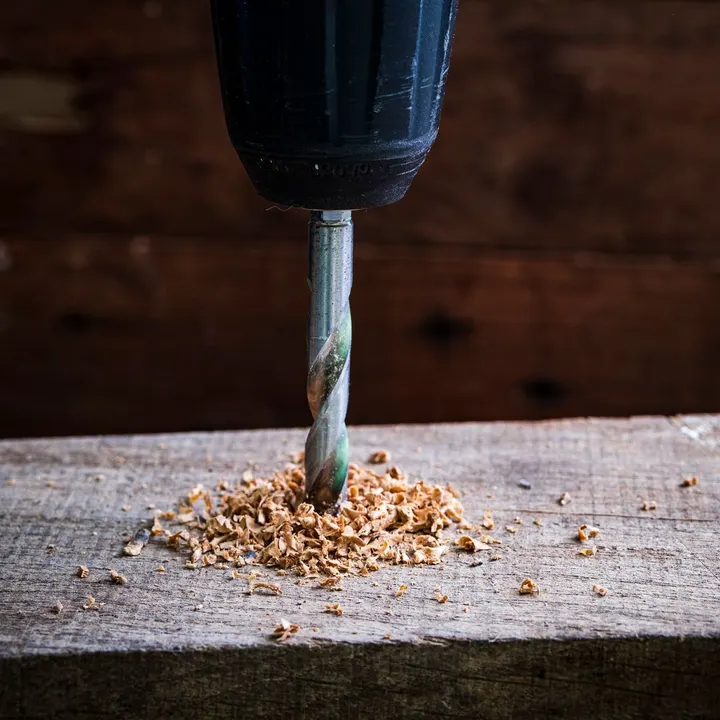
A drill bit that catches can twist your wrist hard enough to sprain it, which is why what is never to be engaged when using power tools applies to a drill too. Never lock the trigger on, and never hold a small piece in your hand while you drill it.
Clamp the work to the bench instead. If you are new to drilling, start with our guide on how to use a power drill, and keep our power drill safety tips in mind every time you pick it up.
Nail gun
A nail gun fires a nail faster than you can blink, and the CDC counts about 37,000 emergency room visits a year from nail guns in its 2001 to 2005 data, the latest national figure. Never point one at yourself or anyone else, even as a joke. Keep your free hand well away from the firing line.
Use the sequential trigger mode, which fires one nail per trigger pull, instead of the bump mode that fires on contact. Disconnect the air hose or remove the battery when you move to a new spot or hand the tool to someone else.
Angle grinder
A grinder is one of the few tools where the lock on button tempts even careful users, since long cuts tire your hand. That is exactly when what is never to be engaged when using power tools should stay in mind.
Keep your finger on the trigger, and let the disc stop before you move the tool. Always use the right disc for the material, keep the guard in place, and point the sparks away from your body and away from anything that can catch fire.
Chainsaw
A chainsaw caused about 23,159 emergency room visits in 2023, according to the Consumer Product Safety Commission. Always use both hands, keep the chain brake working, and never cut above shoulder height or with the tip of the bar, which is where kickback starts.
Wear a hard hat, eye protection, hearing protection, and cut resistant chaps. If the tree is large, leaning, or near a house or power line, hire a pro.

The Protective Gear You Should Never Skip
Good gear does not make you invincible, but it turns many injuries into near misses. Safety glasses shield your eyes from chips and dust. Hearing protection guards against the slow hearing loss that loud saws cause over years.
A dust mask keeps fine wood dust out of your lungs. Closed toe shoes with a good grip protect your feet from a dropped tool.
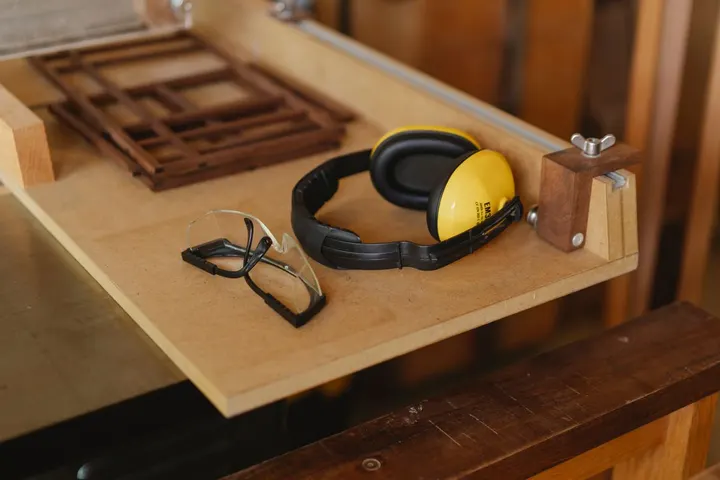
Gloves deserve a warning of their own. A loose glove near a spinning bit can pull your hand in, so wear snug gloves only when the tool maker says to, and never wear them near a drill press or a lathe.
The gear costs less than one emergency room visit, and it works only when you wear it. That is the same idea behind what is never to be engaged when using power tools: the safest tool is the one you can stop in an instant.
A Two Minute Check Before Every Job
Run this check before you pull the trigger, and you will catch most problems while they are still cheap. It takes two minutes, and it answers what is never to be engaged when using power tools before the tool ever starts. If you are still learning the ropes, our DIY basics guide covers the core skills this check builds on.
- Read the manual if the tool is new to you, and note where the switch, the guard, and the lock are.
- Check the cord and plug for frays, cracks, or loose parts, and check the battery for damage.
- Test the switch. Turn the tool on and off once, and make sure it stops at once when you release the trigger.
- Check the guard. It should move freely and snap back into place on its own.
- Check the bit, blade, or disc. It should be sharp, clean, and tight.
- Clamp the work to the bench so both hands stay on the tool.
- Put on safety glasses and hearing protection, and tie back hair and loose clothing.
- Clear the area, check the switch is off, then plug the tool in or fit the battery.
A Real Example: Cutting a Shelf Board With a Circular Saw
Take a common job: cutting a 4 foot pine board down to size for a shelf. You mark the line with a pencil and a square, then clamp the board to two sawhorses so both sides of the cut are supported. You set the blade depth so it cuts just past the board, check the guard moves freely, and put on your glasses.
Halfway through the cut, the board pinches the blade and the saw kicks. Because the trigger was never locked, releasing your finger stops the blade at once.
That is the moment the unlocked trigger proves its worth. A locked trigger would have kept the blade spinning through the kickback, with the saw jumping in your hands.
The fix is simple, and it starts with what is never to be engaged when using power tools. Keep your hand on the trigger, keep the guards on, clamp the work, and let the blade stop before you lift the tool. A five minute job done safely beats a fast job that ends in the emergency room.
Safety First: Know When to Stop and Call a Pro
This guide teaches safe habits, not professional skill. If a job needs a permit, involves gas lines, main electrical wiring, or structural work, hire a licensed pro.
Your nose knows before your eyes do. Stop at once if a tool smells hot, smokes, vibrates oddly, or the switch sticks.
Unplug it, let it cool, and have it checked before you use it again. Never try to fix a broken switch or a damaged cord yourself unless you are trained to do so.
Cords and Grounding
The cord rules below sit beside what is never to be engaged when using power tools, and they matter just as much. Never carry a tool by the cord or the hose, and never yank the cord or hose to disconnect it.
Keep cords and hoses away from heat, oil, and sharp edges. An electric tool must have a three wire cord with a ground plugged into a grounded receptacle, be double insulated, or be powered by a low voltage isolation transformer. Never remove the third prong.
A double insulated tool has an internal layer of protective insulation that isolates the housing, so it needs no third wire grounding. That is the rule in OSHA publication 3080 and in 29 CFR 1926.302(a).
Powder Actuated Tools Are Not a Home DIY Job
A powder actuated tool is the one tool where the trigger lock is not the only rule that can hurt you. A homeowner should not operate one. Only trained employees may operate one.
Test it daily before loading, do not load it until just before firing, never point it at anyone, never leave a loaded tool unattended, and never use it in an explosive or flammable atmosphere.
Those are the rules in 29 CFR 1926.302(e), and they sit in the same safety picture as what is never to be engaged when using power tools.
Related guides
- How to Use a Power Drill: A Beginner Guide for 2027
- Power Drill Safety Tips Every DIYer Should Know for 2027
- Circular Saw Safety Tips Every DIYer Should Know for 2027
- DIY Basics for Homeowners: Essential Skills to Learn in 2027
Frequently Asked Questions
What is never to be engaged when using power tools?
The trigger lock. What is never to be engaged when using power tools is the trigger lock, because it keeps the tool running after you let go. If the tool catches, kicks back, or slips, a locked trigger keeps the blade or bit spinning when your fastest way out is to let go.
Is it safe to use the lock on button on a sander?
It can be, but only with care: use it only when the tool is already in position on the work, both hands are on the tool, and you are ready to work. Release it the moment you pause, and never carry the tool or set it down with the lock on. If you are unsure, keep your finger on the trigger instead.
What should I do if my circular saw kicks back?
Release the trigger at once and let the blade stop before you move the saw, and do not fight the kick. Once the blade has stopped, lift the saw clear, unplug it, and check why it bound up. Common causes are a pinched board, a dull blade, or a cut that closed on the blade, so fix the cause before you cut again.
Can I wear gloves when using a power drill?
Wear snug fitting gloves only if the tool maker says gloves are safe for that tool, since loose gloves can catch on a spinning bit and pull your hand in. Never wear loose gloves near a drill press or a lathe. For most hand held drilling, bare hands with a firm grip are the safer choice.
Do I need a GFCI outlet for power tools outside?
Yes, a GFCI outlet cuts the power in a split second if current leaks, which is the main guard against electric shock outdoors. Use one whenever you work outside, near water, or in a damp garage. If your outdoor outlet is not a GFCI, use a portable GFCI adapter or have an electrician fit one.
What is the most dangerous power tool for home use?
The table saw, by the injury numbers. The Consumer Product Safety Commission estimates about 30,600 emergency room visits a year from table saw blade contact, and about 1 in 10 of those injuries in a 2017 study was an amputation. Respect the guard, use a push stick for narrow cuts, and never reach over the blade.
The rule is simple enough to remember on every job: what is never to be engaged when using power tools is the trigger lock. Keep your hand on the trigger, keep the guards on, and let the tool stop before you set it down.
Sources: OSHA Hand and Power Tools overview, for the warning to prevent accidental starting and the most common injury types; Roden Law summary of CPSC and CDC figures, for the 30,600 table saw injuries a year, the 96.4 percent finger figure, the 36,000 chainsaw visits a year, and the 37,000 nail gun visits a year; Home Tool Zone do’s and don’ts guide, read in full for the competitor check.