Oregon home energy rebates are cleared to launch. The Oregon Department of Energy has approval from the U.S. Department of Energy to open its two rebate programs, and single family applications open in early 2027. Homeowners planning a heat pump or insulation upgrade can now set a date for it.
What changed this week?
The approval is the last big step before the programs can take applications. Oregon first applied in September 2024, when the U.S. Department of Energy awarded the state more than 113 million dollars. Since then the state has built the programs with Energy Trust of Oregon and Earth Advantage, folding in the revised federal rules from summer 2026, set out in U.S. Department of Energy Program Notice 26-2, effective 29 May 2026. That notice changed HEAR so gas to electric appliance swaps no longer qualify.
Oregon is now only the second state since January 2025 to win approval to launch both programs.
Janine Benner, director of the Oregon Department of Energy, called the approval a moment to celebrate.
She said, “This is a time for celebration. We’re thrilled to have received U.S. DOE approval to begin our final preparations to bring rebates to Oregonians in the new year.”
What do the two programs cover?
The pair of programs covers two kinds of work. HOMES, the Home Efficiency Rebates Program, pays rebates for whole home efficiency upgrades that cut energy use. HEAR, the Home Electrification and Appliance Rebates Program, pays rebates for efficient electric equipment and appliances.
Both programs aim at single family and multifamily households, with a focus on low or moderate income households. Two more phases follow in 2027: one opens rebates for multifamily properties, and the other offers HEAR coupons for a qualifying appliance bought at a participating retail store.
| Program | What it covers | Cap |
|---|---|---|
| HOMES, Home Efficiency Rebates Program | Whole home efficiency upgrades | 50 to 100 percent of project cost, up to $10,000 |
| HEAR, Home Electrification and Appliance Rebates Program | Efficient electric equipment and appliances | Up to $14,000 per household |
Most projects must be completed by a contractor enrolled in the program to qualify for a rebate, so the contractor you hire matters as much as the equipment you choose.
What does it mean for your budget?
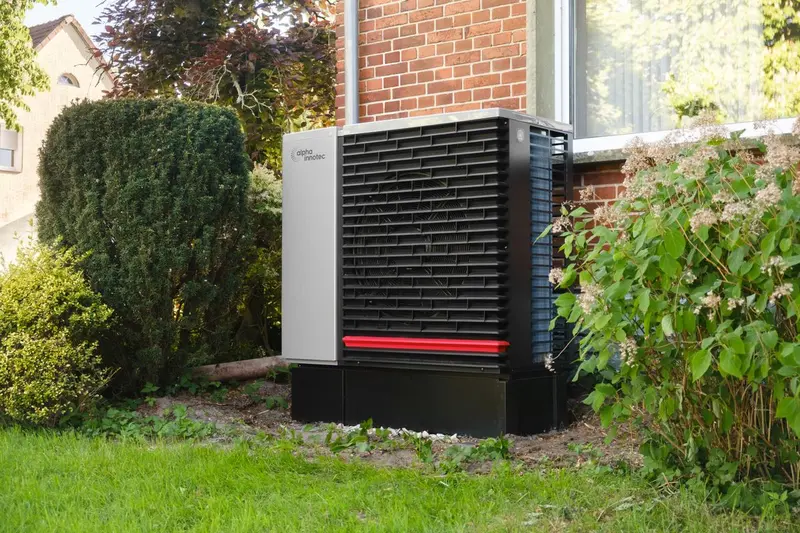
Here is the honest part: the state has not yet published the rebate amount for each single upgrade. The caps are published, though. HOMES rebates cover 50 to 100 percent of a project, up to $10,000, according to the Oregon Department of Energy. HEAR rebates run up to $14,000 per household, with up to $8,000 for a heat pump, under the federal HEAR caps. What we know is the scale, more than 113 million dollars in federal funding, and the shape of the help, rebates that cut the upfront cost of an upgrade rather than a tax credit you claim later.
Rebates like these change the math on a big upgrade, because they cut what you pay on day one instead of paying you back years later. If you are planning a heat pump, insulation or a panel upgrade, wait for the application details before you sign a contract. Before you commit, run your numbers through the home improvement cost estimator on Home Fix Daily.
Sources
All figures in this post come from the Oregon Department of Energy announcement published on 13 November 2026. Read the Oregon Department of Energy announcement.
Frequently Asked Questions
When do Oregon home energy rebate applications open?
Applications for owner and tenant occupied single family homes open in early 2027. The state has not named an exact date yet.
What are the two Oregon rebate programs?
HOMES pays rebates for whole home efficiency work. HEAR pays rebates for efficient electric equipment and appliances. Both come from the 2022 Inflation Reduction Act and both are run by the state.
Who can get an Oregon home energy rebate?
The programs cover single family and multifamily households, with a focus on low or moderate income households. Single family owners and tenants are first in line.
Do I need a special contractor to qualify?
Yes, most projects must be completed by a contractor enrolled in the program. Registration opened in October 2026, and the program website lists enrolled contractors.