
How Much Paint for Living Room Walls in 2027
A typical living room takes 2 to 3 gallons for two coats on smooth walls, and that is how much paint for living room walls most jobs need. A 12 by 15 foot room with 8 foot ceilings needs about 3 gallons once doors and windows are deducted and a small allowance is added for touch ups.
Walking into a paint store without a number in mind is how most people end up with too little paint or an extra can they never open. Work out how much paint for living room walls your room needs with a tape measure, a simple formula and one worked example you can copy.
You do not need a calculator app or a pro estimate. You only need your wall lengths, your ceiling height and a count of your doors and windows. The rest is simple multiplication, and every step is below.
How Do You Measure Living Room Walls for Paint?
Measure the length of each wall in feet, from corner to corner, and write each number down with a tape measure and a notepad. Then measure the ceiling height from the floor to the top of the wall.
Add the wall lengths together to get the perimeter of the room. Multiply the perimeter by the ceiling height and you have the total wall area in square feet. Count every door and window, because you will deduct those next.
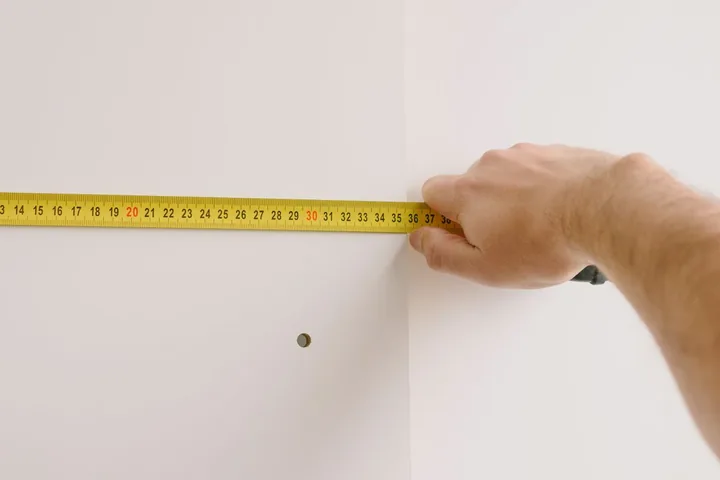
Follow these steps in order and you will have a solid number in about ten minutes.
- Measure each wall length in feet and add them together for the perimeter.
- Multiply the perimeter by the ceiling height for the total wall area.
- Deduct 21 square feet for each standard door and 15 square feet for each standard window.
- Multiply what is left by the number of coats you plan to apply.
- Divide by the coverage rate of your paint and round up to whole gallons.
What Is the Paint Coverage Formula?
Net wall area times coats, divided by coverage per gallon. That is the whole formula, and once you know it, how much paint for living room walls becomes simple math. Net wall area means total wall area minus doors and windows.
Most interior wall paints cover 350 to 400 square feet per gallon for one coat on smooth, previously painted drywall, according to Sherwin Williams SuperPaint technical data. Benjamin Moore Regal Select lists 400 to 450 square feet per gallon, while Sherwin Williams Emerald lists 350 to 400. Check the label on your own can, because the exact rate varies by product and finish.
Plan with the low end of the range when you are unsure. Planning at 350 square feet per gallon gives you a small safety margin, and it is far better to have a little paint left over than to run out halfway down the last wall.
Read the coverage line on your can before you buy, because it beats any general rule. The label states the spread rate for that exact product, and some paints made for one coat coverage stretch further than standard wall paint. If your can lists a higher rate than 350 square feet per gallon, you may use that number in the formula, but keep the 10 percent allowance for touch ups.
A Real Example: A 12 by 15 Foot Living Room
Here is the full math for a typical room, and it answers how much paint for living room walls a 12 by 15 foot room needs. Take a 12 by 15 foot living room with 8 foot ceilings, two doors and three windows.
The perimeter is 12 plus 15 plus 12 plus 15, which is 54 feet. Multiply 54 feet by the 8 foot ceiling height and the total wall area is 432 square feet.
Deduct the openings next. Two doors at 21 square feet each remove 42 square feet, and three windows at 15 square feet each remove 45 square feet. That leaves 432 minus 87, which is 345 square feet of paintable wall.
One coat at 350 square feet per gallon needs 345 divided by 350, which is 0.99 gallons. Two coats need 690 square feet of coverage, which is 1.97 gallons. Add 10 percent for touch ups and waste and you get 2.17 gallons, so buy 3 gallons.
The third gallon covers touch ups and any spot that needs a little extra paint.
If this room also needs primer, the math is separate. Primer covers about 300 square feet per gallon, so 345 divided by 300 is 1.15 gallons, which rounds up to 2 gallons of primer for one coat.
Living Room Paint Calculator
Type your numbers into the calculator below and press the button. It works out how much paint for living room walls your room needs from the same formula as the worked example.
Paintable wall area: 0 square feet
Paint per coat: 0 gallons
Total paint: 0 gallons
Buy: 0 gallons
Example: a 12 by 15 foot room with 8 foot ceilings, 2 doors, 3 windows, and 2 coats needs 3 gallons. The wall area is 345 square feet, one coat needs 0.99 gallons, two coats need 1.97 gallons, and 10 percent extra brings it to 2.17 gallons, so buy 3.
The math: wall area equals 2 times length plus width, times ceiling height, minus 21 square feet per door and 15 square feet per window. Divide by the coverage per gallon for paint per coat, multiply by coats, add the waste percent, and round up to whole gallons.
This gives an estimate for smooth, previously painted walls. Rough, textured, or new drywall can need more paint. Always check the coverage printed on the can you buy.
Paint Needs for Common Living Room Sizes
Use this table to check how much paint for living room walls you need at a glance, and read the buy column as the starting point. The table assumes 8 foot ceilings, two coats on smooth walls and 350 square feet per gallon, with a 10 percent allowance built into the buy column.
| Room size | Net wall area | Two coats exact gallons | Buy |
|---|---|---|---|
| 12 by 12 feet | 312 square feet | 1.78 gallons | 2 gallons |
| 12 by 15 feet | 345 square feet | 1.97 gallons | 3 gallons |
| 14 by 16 feet | 393 square feet | 2.25 gallons | 3 gallons |
| 16 by 20 feet | 474 square feet | 2.71 gallons | 3 gallons |
Treat the buy column as a starting point, not a promise. If your walls are textured or you are making a big color change, buy one extra gallon on top of the table number. LoftCalc lists about 3 gallons exact for the same 16 by 20 foot room and advises buying 4 to 5 gallons, to cover long cut in runs and touch up stock. The table buy of 3 gallons covers the math, and the fourth gallon is insurance for long walls. That insurance is part of how much paint for living room walls a real job takes.
How Many Coats Do Living Room Walls Need?
Two coats is the standard answer for living rooms, and it is the number used in every example below. One coat can work when you are repainting the same color with a quality paint on walls that are already in good shape.
Coats change how much paint for living room walls you must buy more than any other factor. A third coat adds half as much paint again, so a room that needs 2 gallons for two coats needs 3 gallons for three coats. Your rolling technique also affects coverage, because a thick, uneven coat uses more paint than a smooth, even coat.
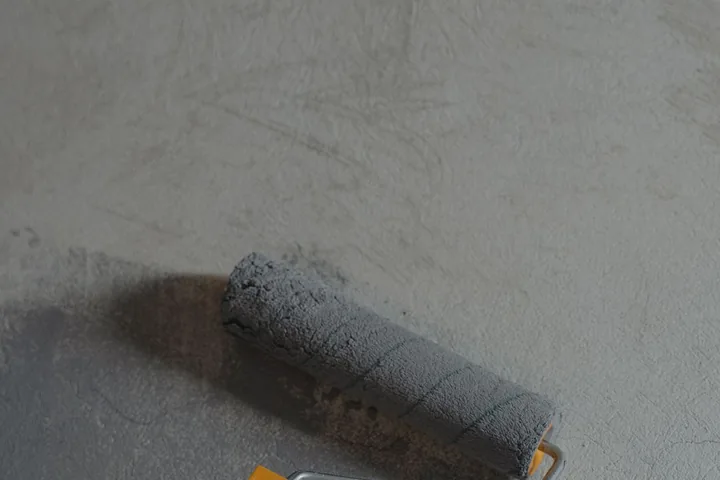
Plan on three coats when you are covering a dark color with a light color, or a light color with a very deep color. Deep reds, navy blues and charcoal grays often need the extra coat for even color, even with a primer coat underneath.
How Much Primer Do You Need?
Primer also affects the total, because primer is a separate purchase with its own coverage rate. Count it apart from how much paint for living room walls you need, so the two totals never mix. Good prep work keeps the first coat from soaking in unevenly, and primer is part of that prep on the right surfaces.
Water based primer covers about 300 square feet per gallon. Divide your net wall area by 300 and round up to whole gallons for one coat. New drywall, bare patches and big color changes all need primer, while walls in good shape with the same color can often skip it.
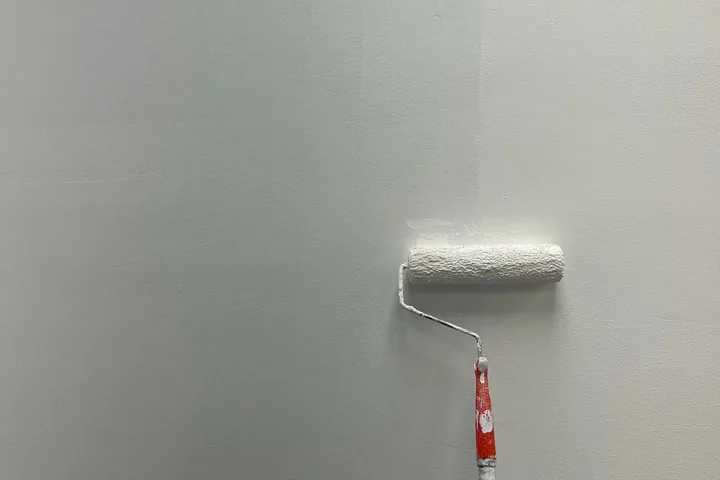
A stain blocking primer is the right call for water stains, smoke marks and crayon marks. Tint the primer toward your new color at the paint counter when you are making a big color change, because tinted primer helps the finish coats cover in two coats instead of three.
How Does Wall Texture Change the Math?
Rough surfaces drink more paint than smooth ones, so texture changes how much paint for living room walls you buy. Textured walls typically cover 250 to 300 square feet per gallon instead of 350 to 400.
Orange peel texture sits near the top of that range, while heavier knockdown texture sits near the bottom. If your walls have a heavy texture, run the formula with 250 square feet per gallon and you will not be caught short.
Brick, concrete and rough plaster drink even more paint, so treat those as special cases and ask at the paint counter with your measurements in hand. A quick photo of your wall texture helps the staff point you to the right coverage rate.
What About Ceilings and Accent Walls?
Keep ceiling paint out of how much paint for living room walls you buy. Ceilings use flat ceiling paint, and the area is the length times the width of the room, not the wall area.
For the 12 by 15 foot example room, the ceiling is 180 square feet. Two coats need 360 square feet of coverage, which is about 1 gallon of ceiling paint at 350 to 400 square feet per gallon. Buy ceiling paint separately so a shortfall on the ceiling never eats into your wall paint.
An accent wall works the same way, one wall at a time. A 15 foot wide wall with 8 foot ceilings is 120 square feet, so two coats need 240 square feet of coverage, which is 1 gallon of paint. Accent walls are a good place to use up a leftover gallon from an earlier project.
How Much Does the Paint Cost?
Once you know how much paint for living room walls you need, the cost follows from the gallons. Multiply those gallons by the price per gallon for the paint you want, and add primer and supplies on top.
Paint is only part of the total cost of painting a room, which also includes primer, tape, rollers and drop cloths. Budget paint runs about 20 to $40 per gallon, midrange paint runs about 30 to $65 per gallon, and premium paint runs about 75 to $110 per gallon.
For the example room, 3 gallons of Behr Premium Plus at about $36 per gallon costs about $108. The same 3 gallons of Behr Marquee at 50 to $58 per gallon costs 150 to $174. Behr Dynasty lists at $66.98 per gallon at Home Depot, so 3 gallons would cost about $201.
The paint finish you pick also matters, because flat paint covers a little further than semi gloss on the same wall. Eggshell is the most popular finish for living rooms, since it wipes clean more easily than flat paint without the shine of semi gloss.
Supplies add a modest amount on top of the paint itself. A roller frame and covers, a tray, a brush for edges, painter's tape and a drop cloth typically add 30 to $60 for a living room, and most of those tools last for the next room too.
Smart Buying Tips So You Do Not Run Out
Buy all your paint in one trip, once you know how much paint for living room walls you need for the room. Cans from different batches can dry a shade apart, even with the same color code on the label.
If you buy more than one gallon of the same color, mix them together in a large bucket before you start. This practice, called boxing, blends any small batch differences into one even color across all your walls.
Keep the leftover paint for touch ups. Write the room name and the color code on the can with a marker, and store it in a cool, dry place with the lid sealed tight. A small leftover can saves a full repaint when a scuff appears later.
Quarts are handy for small jobs, but they cost more per ounce than gallons. For a full living room, gallons are the better buy, and a single quart of the same color is worth adding for later touch ups. Ask the paint counter to shake every can well, including the quart, so the color matches the gallons exactly.
Common Mistakes That Leave You Short
The most common mistake is guessing at how much paint for living room walls the job takes instead of measuring. Guessing usually ends with a second trip to the store in the middle of the job, and the new can may not match the first batch exactly.
The second mistake is buying the exact math with no buffer. Walls soak up a little extra paint at edges, corners and touch up spots, so the 10 percent allowance here exists for a reason. The third mistake is forgetting the ceiling or the trim, which need their own paint and their own math.
The fourth mistake is painting over glossy paint without scuff sanding it first. Glossy walls reject a new coat, so the paint slides and streaks instead of gripping, and the job ends up needing an extra coat anyway. A quick scuff sand and a wipe down gives the new paint something to hold onto.
A Quick Safety Note
Open windows and run a fan while you paint, and keep the room ventilated until the paint dries. Use a stable step ladder for high walls, never a chair, and keep paint cans out of reach of small children and pets.
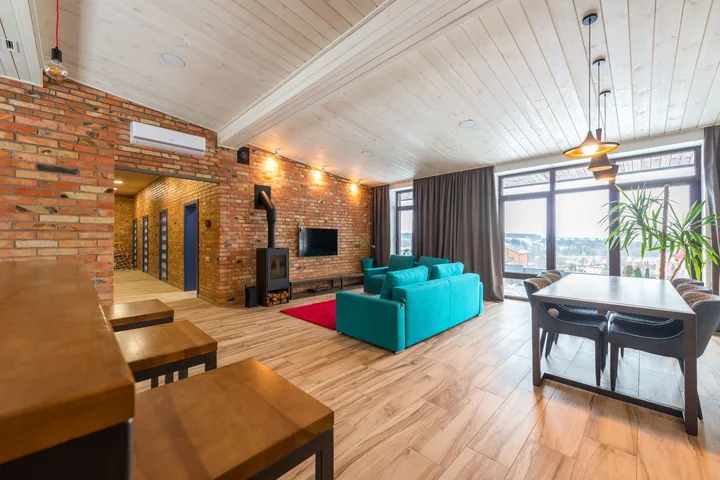
What Changes With 9 Foot Ceilings?
Take the same 12 by 15 foot room from the example above, but raise the ceiling from 8 feet to 9. The perimeter is still 54 feet.
Multiply 54 by 9 and you get 486 square feet of wall. Take off the same 87 square feet for two doors and three windows and 399 square feet is left to paint.
One coat needs 399 divided by 350, which is 1.14 gallons. Two coats need 2.28 gallons.
Add 10 percent for touch ups and waste and you get 2.51 gallons, so buy 3 gallons. The taller ceiling adds about a third of a gallon, and the answer stays at 3 gallons because the rounding does the work.
Use the same formula for any room. Multiply the perimeter by the ceiling height, subtract the doors and windows, multiply by the number of coats, divide by the coverage on the can, add 10 percent, and round up to the next whole gallon.
The Bottom Line
Measure your walls, deduct your doors and windows, multiply by your coats and divide by your coverage rate. That simple chain gives you a gallon number you can trust, and it takes less time than one extra trip to the paint store.
Three gallons, a spare quart for touch ups, and a can you actually keep. That is the whole shopping list for most living rooms. Buy with a small buffer, keep the leftover can, and the job stays calm from the first coat to the last.
Related guides
- How to Paint Living Room Walls Like a Professional for 2027
- Best Paint for Living Room Walls: Types and Finishes for 2027
- Interior Painting Guide From Prep to Final Coat for 2027
- How Much Does It Cost to Paint a Room? 2027 Price Guide
- How Much Paint for Bedroom Walls in 2027
Common Questions
How many gallons of paint do I need for a 12 by 12 living room?
For a 12 by 12 living room with 8 foot ceilings, how much paint for living room walls comes to 2 gallons for two coats on smooth walls. That figure assumes two doors and two windows deducted and a small allowance for touch ups. Buy 3 gallons if your walls are textured or you are making a big color change.
Does one gallon cover a whole living room?
Rarely, because how much paint for living room walls you need is almost always more than one gallon for two coats. One gallon covers about 350 square feet for one coat, while a typical living room has 300 to 500 square feet of wall. One gallon can cover a single accent wall or one coat on a small room, but not two coats on a full living room.
Do I need primer before painting living room walls?
You need primer on new drywall, bare patches, stains and big color changes. You can often skip primer when you are repainting the same color on walls that are already in good shape. When in doubt, prime, because primer is cheaper than a third finish coat.
How much paint do I need for an accent wall?
Measure the accent wall alone, multiply its width by its height and double it for two coats. A 15 foot wide wall with 8 foot ceilings needs about 1 gallon for two coats. Buy a quart extra only if the wall is heavily textured.
Should I buy extra paint for touch ups?
Yes, keep at least a quart of your wall color for touch ups after the job. Scuffs and small marks show up fast in living rooms, and a saved can makes a quick fix easy. Label the can with the room and color code so you can find it later.
Sources
Coverage rates in this guide come from manufacturer technical data sheets and current retailer listings. Sherwin Williams SuperPaint lists 350 to 400 square feet per gallon, Benjamin Moore Regal Select lists 400 to 450 square feet per gallon, and Behr Marquee lists 300 to 400 square feet per gallon. Prices reflect Home Depot listings and current brand guides checked in November 2026.