How Much Does Hardwood Flooring Cost in 2027
How much does hardwood flooring cost? Most homeowners pay $6 to $12 per square foot installed, with a national average of $4,723 per project, according to Angi 2026 data from 10,984 verified projects. Premium wood and complex patterns can push the price to $25 per square foot or more.
Hardwood floors suit almost every room in a home. They look warm, feel solid underfoot, and buyers notice them the moment they walk in.
This guide uses real 2026 prices from Angi, Modernize, and Costimated to show what hardwood flooring costs by wood type, by room size, and by installation method, plus the extra costs that catch homeowners by surprise and the steps that keep the bill down.
How Much Does Hardwood Flooring Cost Per Square Foot?
Installed hardwood runs $6 to $25 per square foot, depending on the wood and the layout. Angi puts the average at $6 to $12 per square foot for labor and materials combined, with premium species and large spaces pushing the figure to $13 to $25 per square foot. That range is the short answer to how much does hardwood flooring cost for a standard home.
Installed prices for a standard 500 square foot living area use Costimated 2026 pricing tiers built from Fixr, HomeGuide, and Angi data.
| Flooring tier | Installed cost per square foot | Total for 500 square feet |
|---|---|---|
| Engineered oak, floating click lock | $7 to $11 | $3,500 to $5,500 |
| Solid prefinished red or white oak | $9 to $15 | $4,500 to $7,500 |
| Site finished solid hardwood | $11 to $18 | $5,500 to $9,000 |
| Wide plank or exotic hardwood | $14 to $25 | $7,000 to $12,500 |
Angi reports a national average of $4,723 per project, with most homeowners paying between $2,469 and $7,034. Costimated puts the average 500 square foot living area at $6,000, or $12 per square foot installed.
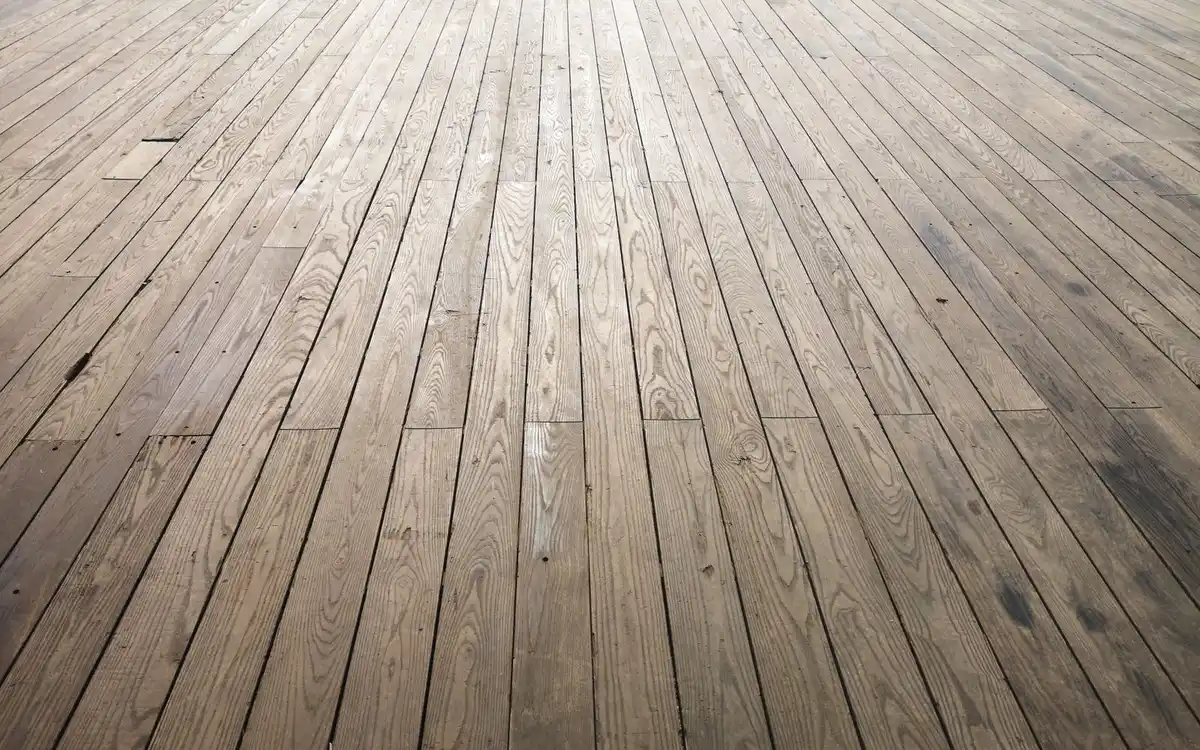
Material is only part of the bill. Labor adds $3 to $8 per square foot, according to Modernize, and subfloor work, old floor removal, and trim can add hundreds more. The sections below break each piece apart so you can see where your money goes.
How Much Does Hardwood Flooring Cost by Wood Type?
Wood species is the biggest material cost driver. A common domestic oak costs a fraction of imported walnut, and the gap shows up on every square foot.
| Wood species | Material cost per square foot | Best for |
|---|---|---|
| Red oak | $3 to $7 | Budget friendly floors in living rooms and bedrooms |
| White oak | $5 to $8 | Busy homes that need a harder wearing floor |
| Maple | $6.50 to $11 | Clean pale floors in modern rooms |
| Walnut | $15 to $20 | Rich dark floors in formal living spaces |
| Brazilian walnut | $12 to $20 | High traffic homes that need the hardest wood |
| Engineered oak | $3 to $8 | Basements and rooms with radiant heat |
Red oak is the most common choice in the United States because it is widely stocked, easy to stain, and cheap. It scores 1,290 on the Janka hardness scale, which rates how well wood resists dents. Brazilian walnut scores 3,680 on the same scale, which is why it suits homes with large dogs and heavy furniture.
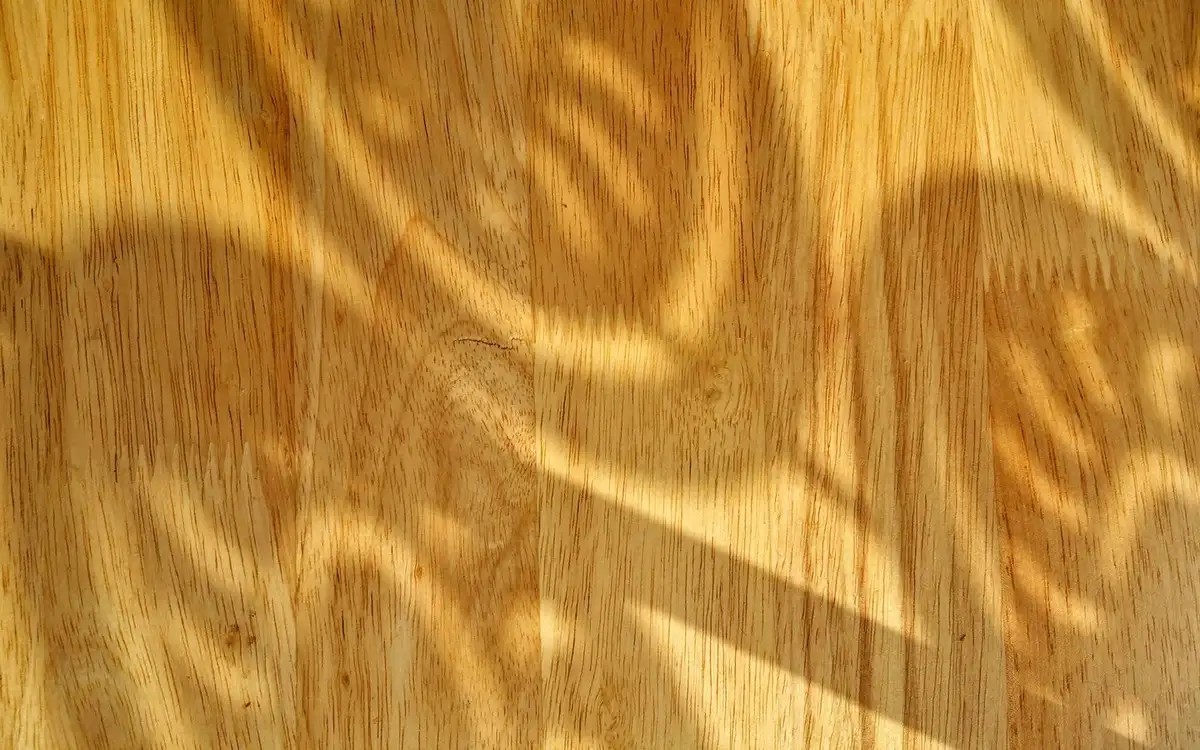
Plank width also moves the price. Standard 3 inch planks cost less than wide 5 inch or 7 inch planks, because wide boards come from larger, slower growing trees and need more careful milling.
Grades matter too. Select grade wood has even color and few knots, while common grade wood shows more knots and color change and costs less.
Stain and finish change the look but not the species price. A natural clear coat shows the grain, a dark stain hides variation between boards, and a wire brushed finish hides small scratches in a busy home.
Solid or Engineered Hardwood: Which Costs Less?
Solid hardwood is one solid piece of wood, usually three quarter inch thick, with tongue and groove edges that lock together. Engineered hardwood is a thin layer of real hardwood glued over a plywood core, which makes it more stable when moisture changes.
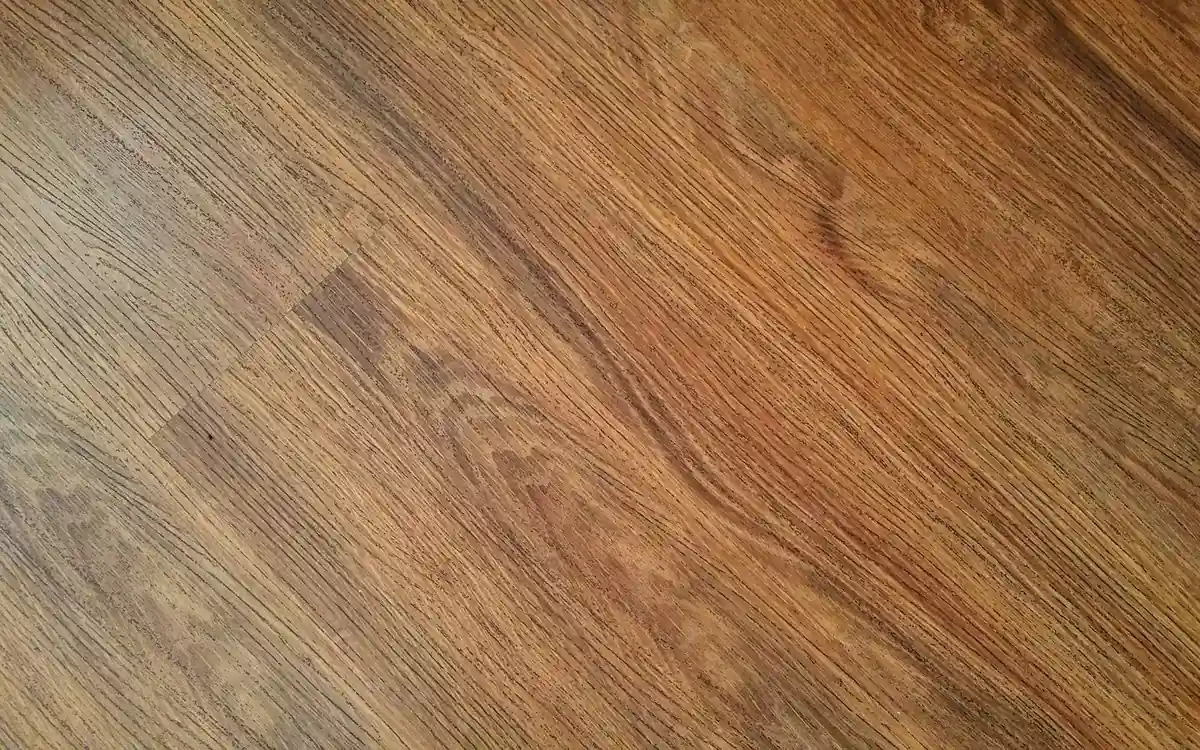
Engineered wood costs less. Angi reports engineered hardwood at $7 to $20 per square foot installed, with an average project cost of $4,750.
Solid hardwood runs $8 to $28 per square foot installed, according to Angi, which lists solid hardwood at $5 to $28 per square foot by type. That $28 top is the ceiling for solid wood by type, while the $13 to $25 band is the premium project range for higher end wood and larger spaces, so the two ceilings measure different things. Angi puts engineered wood at 10 to 20 percent cheaper installed than solid wood.
The cheaper price is only part of the choice. Solid wood can be sanded and refinished many times over its life, so a solid floor can outlast the home itself with care. Engineered wood can only be refinished once or twice, depending on how thick the top veneer is, so check the veneer thickness before you buy.
Moisture decides the rest. Engineered wood handles humidity better than solid wood, which is why Modernize recommends it for basements, radiant heat floors, and humid climates. A small bathroom remodel is one place where engineered wood earns its keep, since steam and splashes punish solid boards.
Refinishing is the long term cost to weigh. HomeAdvisor puts refinishing at $3 to $8 per square foot, and Homewyse lists a January 2026 baseline of $6.49 to $7.92 per square foot for a full sand and refinish. A solid floor you can refinish many times costs less over the life of the home than an engineered floor you must replace.
What Does Hardwood Floor Installation Labor Cost?
Labor for standard hardwood installation runs $3 to $8 per square foot, according to Modernize and HomeAdvisor. Angi lists $3 to $6 per square foot for labor alone, which is the national band, and the $8 top applies in high cost metros such as New York.
That labor covers fitting the planks, cutting around doorways and transitions, and basic cleanup. The method sets the rate.
Nail down work runs $3 to $6.50 per square foot in labor, according to 2026 contractor pricing data, and it needs a wood subfloor. Glue down work suits concrete slabs, and floating click lock floors go down fastest because the boards snap together with no nails or glue.
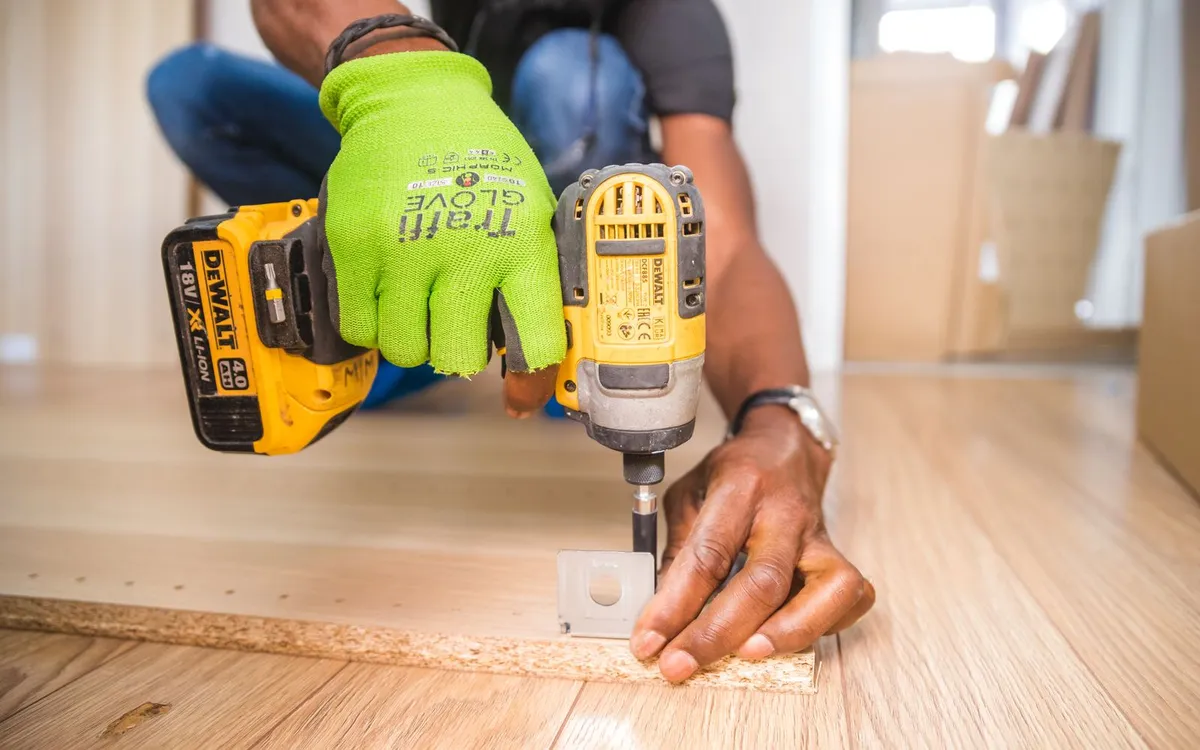
Prefinished boards save labor time because they arrive sanded and sealed from the factory. Site finished floors cost more in labor, since the crew must sand, stain, and seal the floor in your home, which adds $2 to $4 per square foot. The trade off is a perfectly flat finish with no seams between boards, which many homeowners prefer in a main living space.
Before any board goes down, the wood must acclimate to your home. The National Wood Flooring Association publishes installation standards that call for the flooring to sit in the room until it reaches the same moisture level as the home. A crew that skips this step risks gaps in winter and cupped boards in summer.
What Does the NWFA Say About Moisture and Acclimation?
Wood moves with moisture, so the National Wood Flooring Association treats acclimation as conditioning, not a wait on the calendar. Boards sit in the room until they match the home, and the test is a moisture meter reading, not a number of days. Get that reading right and how much does hardwood flooring cost stays on the quote, instead of moving to a repair bill.
Keep the room at 30 to 50 percent relative humidity and 60 to 80 degrees while the floor goes in. Most interior wood settles near 8 percent moisture, near 6 percent in dry southwestern homes and near 11 percent in damp warm coastal homes.
Test at least 40 boards for the first 1,000 square feet, and test the subfloor in at least 20 spots. The subfloor should sit no more than 4 points above strip flooring under 3 inches wide, and no more than 2 points above plank flooring 3 inches or wider.
Run the heating or cooling for at least five days before the wood arrives, so the room holds the conditions the floor will live in. A crew that skips the meter and lays boards straight from the truck risks gaps in winter and cupped boards in summer.
What Extra Costs Can Push the Bill Higher?
The per square foot price is only the starting point. These extras are where budgets slip.
| Extra cost | Typical price | When it applies |
|---|---|---|
| Subfloor repairs | $900 to $3,000 | Damaged or rotted subfloor boards |
| Subfloor leveling | $1 to $6 per square foot | Uneven floors in older homes |
| Site finishing | $2 to $4 per square foot | Unfinished boards that need sanding and sealing |
| Refinishing an old floor | $3 to $8 per square foot | Keeping existing wood instead of replacing it |
| Pattern waste | 10 to 15 percent extra material | Diagonal, herringbone, or chevron layouts |
Old floor removal and disposal is a separate line on most quotes, and stairs cost extra because each step needs custom cuts. Baseboards and shoe molding often need removal and refitting too, so ask if trim work is included before you sign.
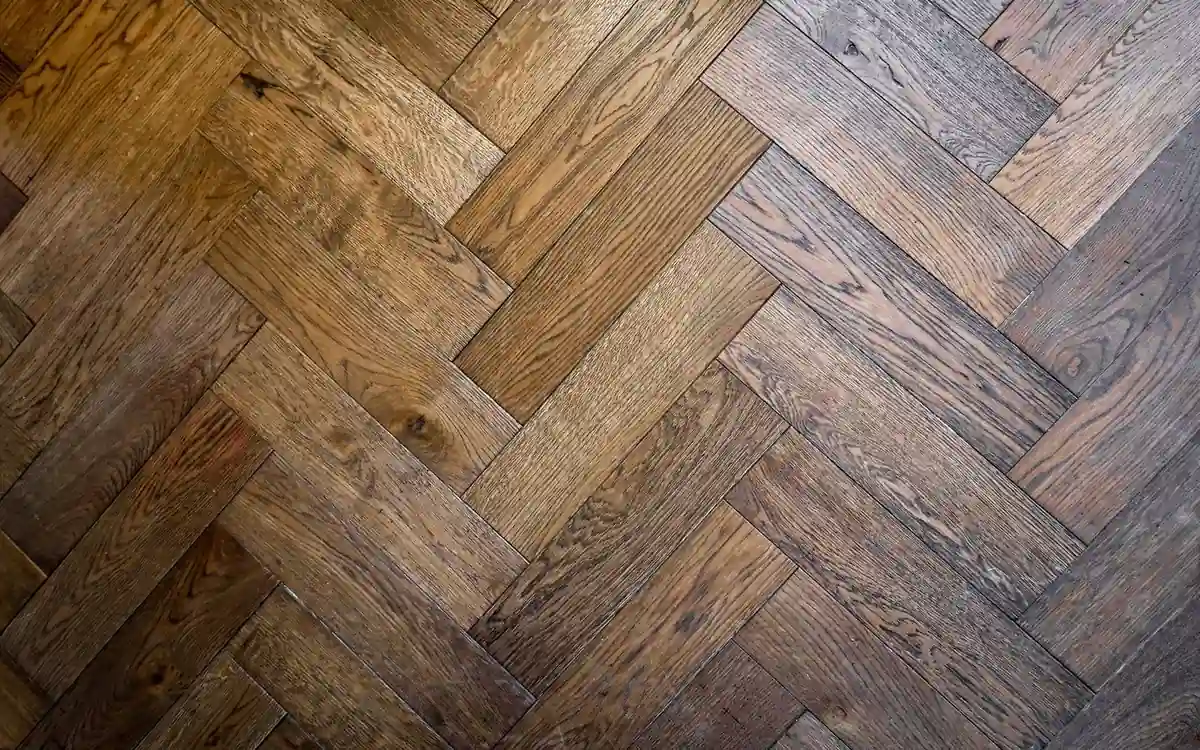
Take a real example. A 500 square foot living area at the $12 per square foot mid point costs $6,000 installed. Add subfloor leveling at $3 per square foot and the bill rises by $1,500.
Choose a herringbone pattern and the 15 percent waste factor adds about 75 square feet of material on top. These three lines alone can move a $6,000 job past $8,000, so ask for them as separate lines on every quote.
What Does Region Do to the Price?
The same floor can cost far more on one coast than the other, and labor is most of the gap. WoodworkingAdvisor notes the same job can run 30 to 50 percent higher in a major coastal metro than in a lower cost region. The table gives installed ranges by region, so the answer to how much does hardwood flooring cost in your area starts with where you live.
| Region | Installed cost per square foot |
|---|---|
| West Coast | $10 to $16 |
| Northeast | $9 to $15 |
| South | $8 to $14 |
| Midwest | $7 to $13 |
Material prices stay close across the country, while installer rates move with local wages and demand. Get three local quotes before you trust any national average. Those swings are why the national average for how much does hardwood flooring cost is a starting point, not a quote.
How Much Does Hardwood Flooring Cost by Room Size?
Room size sets the total more than any other factor. Measure each room in feet, multiply length by width, and add 10 percent for waste, or 15 percent for a pattern layout.
| Room | Size in square feet | Typical total at $12 per square foot |
|---|---|---|
| Small bedroom, 12 by 12 feet | 144 | $1,728 |
| Large bedroom, 14 by 16 feet | 224 | $2,688 |
| Living room, 15 by 20 feet | 300 | $3,600 |
| Open plan living area | 500 | $6,000 |
| Whole first floor | 1,000 | $12,000 |
These totals use the $12 per square foot mid point from Costimated, so your real quote will sit higher or lower with the wood you choose. For a full 1,000 square foot home, Cost Rule data puts the installed range at $7,350 to $14,200, with an average of $10,900.
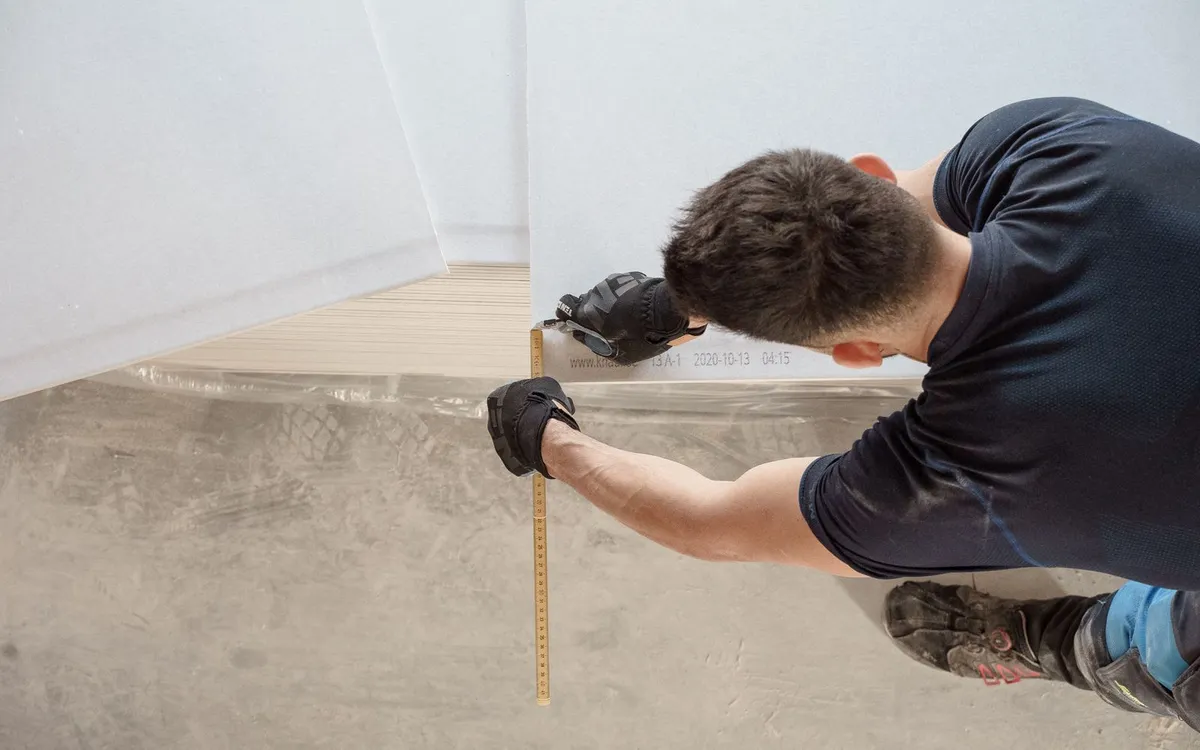
Small rooms cost more per square foot than large open rooms. Every doorway, closet, and corner means more cuts, more waste, and more time for the crew. That extra labor is easy to miss when you first ask how much does hardwood flooring cost for a small room.
Measure twice and order once. A 12 by 15 foot living room measures 180 square feet, and 10 percent waste adds 18 square feet, so order 198 square feet of flooring. Short orders stall the job while you wait for more boards, and a second batch can differ slightly in color.
How to Save Money on Hardwood Flooring
You can cut how much does hardwood flooring cost without cutting quality. These steps save real money on a standard job.
- Choose red oak or engineered oak instead of walnut or exotic imports, which saves $5 or more per square foot on materials alone.
- Pick prefinished boards to skip the $2 to $4 per square foot site finishing charge.
- Use a straight lay pattern instead of herringbone or diagonal, which cuts waste from 15 percent back to 10 percent.
- Keep standard plank widths instead of wide planks, which cost more per square foot.
- Move furniture and clear the rooms yourself, so the crew starts work the moment they arrive.
- Get three itemized quotes and compare the same wood, the same finish, and the same extras on each one.
If the floor is part of a larger kitchen remodel, price the floor with the whole job. A contractor already on site for cabinets and counters may fit the floor for less than a separate flooring crew called in alone.
Fresh paint changes how a floor looks, so plan the two jobs together. New interior painting goes on the walls before the floor goes down, which keeps paint off new boards and lets the crew work without protecting a finished floor.
Add floor care to your home maintenance checklist once the floor is in. Sweep weekly, wipe spills fast, and fit felt pads under chairs and tables, since grit and dragged furniture cause most of the wear on a new floor.
Is Hardwood Flooring Worth the Cost?
The answer to how much does hardwood flooring cost is easy to see once you look at the return. The National Association of Realtors 2022 Remodeling Impact Report puts the return on new hardwood installation at about 118 percent of its cost at resale. Few home projects pay back more than they cost.
A solid wood floor can last for decades with care, and each refinish makes it look new again. That long life spreads the upfront cost across many years, which is why hardwood beats carpet and vinyl on value even when it costs more on day one.
The value is highest in living rooms, bedrooms, and hallways, where buyers expect wood and notice it first. It is lowest in damp rooms and below grade spaces, where engineered wood is the safer spend.
How to Get a Fair Quote
Getting a fair price takes twenty minutes of prep and three phone calls. Follow these steps and the quotes you compare will match each other.
- Measure every room in feet and note the total square feet, plus 10 percent for waste.
- Pick the wood species, plank width, and finish you want, so every company prices the same floor.
- Ask each company what the price includes: old floor removal, subfloor prep, trim, and cleanup.
- Ask for the price in writing, with materials, labor, and extras listed as separate lines.
- Check that the installer carries liability insurance and follows National Wood Flooring Association installation standards.
- Book the work once you have three itemized quotes, and keep the written quote with the contract.
Three itemized quotes are enough to spot the fair price. A quote far below the rest often leaves out subfloor prep, trim, or cleanup, which appear later as extra charges. When the three quotes answer how much does hardwood flooring cost for the same floor, the fair price stands out at once.
Stay safe around any flooring work. Site finishing creates dust and fumes, so keep children and pets out of the room and ventilate well.
Saw and nail gun work belongs to trained hands, and stairs or damaged subfloors are jobs for a professional. This guide is general information, not professional advice, and local building codes may add steps not covered here.
Sources
National Association of Realtors Remodeling Impact Report 2022, Angi, HomeGuide, National Wood Flooring Association, and the U.S. Bureau of Labor Statistics. Figures are national averages for 2026, so a written quote from a local flooring installer sets the final price.
Related guides
- How Much Should a 10×10 Kitchen Remodel Cost in 2026
- How Much Does Interior Painting Cost? 2027 Price Guide
- How Much Does It Cost to Remodel a Small Bathroom in 2027
- The Ultimate Home Maintenance Checklist for 2027
- How Much Does Epoxy Flooring Cost in 2027
- What Is the Labor Cost to Install Vinyl Plank Flooring in 2027
Common Questions
How much does hardwood flooring cost in 2027?
Most homeowners pay $2,469 to $7,034 per project, with a national average of $4,723, according to Angi 2026 data. So how much does hardwood flooring cost in your home depends mostly on the wood species, the room size, and the condition of the subfloor.
How much does hardwood flooring cost per square foot installed?
Installed hardwood averages $6 to $12 per square foot, according to Angi, with premium species and complex patterns reaching $13 to $25 per square foot. Engineered wood runs $7 to $20 per square foot installed, while solid wood runs $5 to $28. Don’t let the two ceilings confuse you: $25 is the top of the premium project band, and $28 is the top of the solid wood range by type in Angi data updated 3 September 2026.
Is engineered hardwood cheaper than solid hardwood?
Yes. Engineered hardwood costs 10 to 20 percent less installed than solid hardwood, according to Angi. It also handles moisture better, so it suits basements and humid rooms where solid wood can cup and gap.
How much does it cost to refinish hardwood floors?
Refinishing costs $3 to $8 per square foot, according to HomeAdvisor. Homewyse lists a January 2026 baseline of $6.49 to $7.92 per square foot for a full sand and refinish, which is far less than replacing the floor.
Does hardwood flooring add value to a home?
Yes. The National Association of Realtors 2022 Remodeling Impact Report puts the return on new hardwood installation at about 118 percent of its cost at resale. A solid wood floor that can be refinished many times holds that value for decades.
Measure your rooms, pick the wood that fits your budget and your rooms, and get three itemized quotes before you book, and the answer to how much does hardwood flooring cost for your home will be a number you can trust. A floor chosen this way looks good on day one and still looks good twenty years from now.