Bedroom Walls Painting Mistakes to Avoid in 2027
Most bedroom walls painting mistakes come from skipping prep, picking the wrong finish, buying too little paint, or recoating too soon. Each one is a rushed job, not a lack of skill, and each one is easy to avoid. Most of them show up the morning after, when the light hits the wall.
A bedroom is the room where bedroom walls painting mistakes show the most. You see the walls up close every morning and every night, in soft lamp light that makes every roller mark, drip, and bubble stand out.
Why Does Skipping Prep Ruin Bedroom Walls?
Paint sticks only as well as the surface under it. Dust, grease, old nail holes and flaking paint all sit between the new paint and the wall, and the finish shows every one of them.
Start by washing the walls with warm water and a small amount of mild dish soap, then let them dry fully. Fill nail holes and small cracks with spackle, let it dry, and sand it smooth with 120 grit sandpaper. Wipe the sanding dust away with a damp cloth before you open the paint can.
Good prep work takes about an hour in a standard bedroom, and it is the cheapest insurance a paint job can have.
What Happens When You Skip Primer on Bedroom Walls?
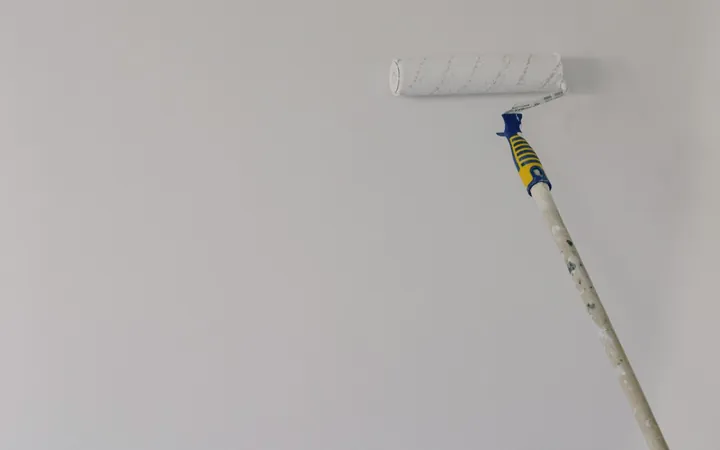
Primer is the coat that makes the finish coat behave. Bare drywall drinks paint unevenly, patched spots show through as dull patches, and a dark old colour can bleed through two coats of a light new colour. Treating primer as optional on every wall is one of the most common bedroom walls painting mistakes.
Use primer on bare drywall, on patched areas, over stains, and whenever you change from a dark colour to a light one. A water based primer covers about 300 square feet per gallon, so a 12 foot by 14 foot bedroom needs about 1 gallon plus 1 quart for one coat. Tint the primer toward your finish colour when the change is dramatic, since that can save a whole finish coat.
How Do You Pick the Wrong Colour for a Bedroom?
Colour is the mistake you live with longest, and it is the one people rush the most. A colour that looks calm on a small swatch can feel loud across four walls, and a colour that looks fresh in a bright store can turn grey in a bedroom with one small window.
Bright reds and strong oranges are the worst offenders, since they can feel restless in a room meant for sleep. Choosing a colour from a swatch alone is one of the classic bedroom walls painting mistakes, and it is the one people live with longest.
Test before you commit. Paint a large test patch on the wall, at least 2 feet square, and look at it in morning light, evening light and lamp light. Live with the patch for two days before you buy gallons.
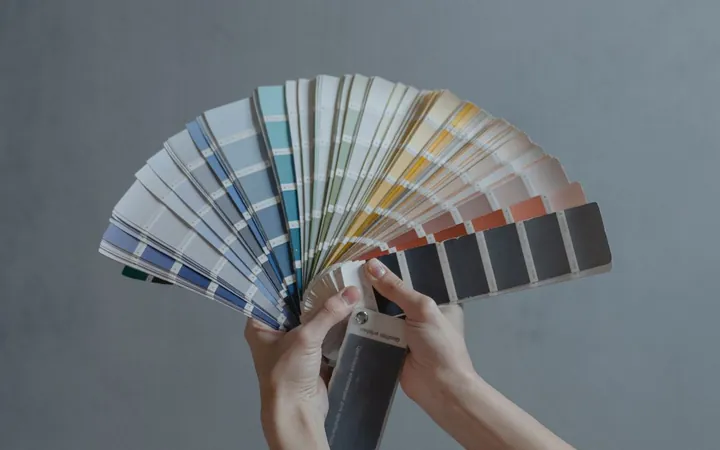
Calm colours suit bedrooms best. Soft blues, muted greens, warm whites and pale greys help a room feel restful, and they hide small flaws better than bold colours do.
Why Is the Wrong Paint Finish a Bedroom Mistake?
Finish is the shine level of the paint, and it changes how the wall looks and how it wears. Flat and matte finishes hide wall flaws well, which suits bedrooms with older walls. Eggshell and satin finishes wipe clean more easily, which suits a bedroom that gets scuffs from furniture and daily use.
Glossy finishes are the trap. Semi gloss and high gloss show every bump, nail pop and patch, and they bounce lamp light straight into your eyes at night.
Save gloss for trim and doors, and keep bedroom walls in flat, matte or eggshell. Picking gloss for bedroom walls is one of the bedroom walls painting mistakes that costs the most to fix, because a whole wall has to be sanded and repainted. The best paint for bedroom walls is usually eggshell, since it hides flaws and still wipes clean.
How Much Paint Should You Buy for Bedroom Walls?
Buying too little paint is a classic error, and it always shows up on the last wall of the second coat. A new can from a different batch can dry a slightly different shade, so running out mid wall leaves a visible line you cannot blend away.
Buying too much is a smaller problem, since a sealed can keeps for touch ups. Running short ranks among the most expensive bedroom walls painting mistakes, since the fix means another gallon and a whole wall repainted.
Work out how much paint for bedroom walls your room needs before you shop. A 12 foot by 14 foot bedroom with 8 foot ceilings has about 365 square feet of net wall area after subtracting one door and two windows. At 350 square feet per gallon, two coats need about 2.1 gallons, so buy 2 gallons plus 1 quart for touch ups.
One gallon of interior paint covers about 350 to 400 square feet per coat on smooth, already painted walls, according to the coverage figures Sherwin Williams prints on its paint calculator. Textured walls drop to about 250 to 300 square feet per gallon, so a textured bedroom needs 3 gallons for the same two coats. The Facade Colorizer interior paint coverage guide for 2026 shows the same room by room math, so check your own room size before you buy.
What Roller Mistakes Leave Marks on Bedroom Walls?
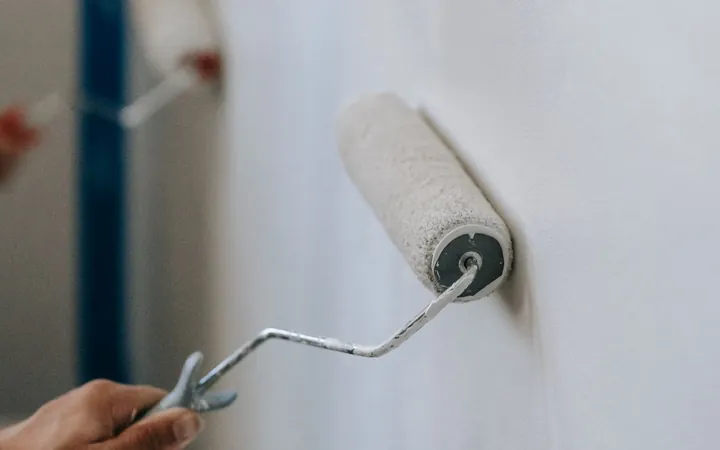
Roller marks, brush strokes and lap lines are the visible sign of rushed technique. They happen when the roller is overloaded with paint, when strokes go in random directions, or when you roll back over paint that has already started to dry.
Load the roller lightly and roll the excess off on the ribbed part of the tray. Roll in a W pattern across a 3 foot by 3 foot section, then fill it in with smooth vertical strokes without lifting the roller. Keep a wet edge by working on the next section before the last one dries, so the two sections blend into one coat.
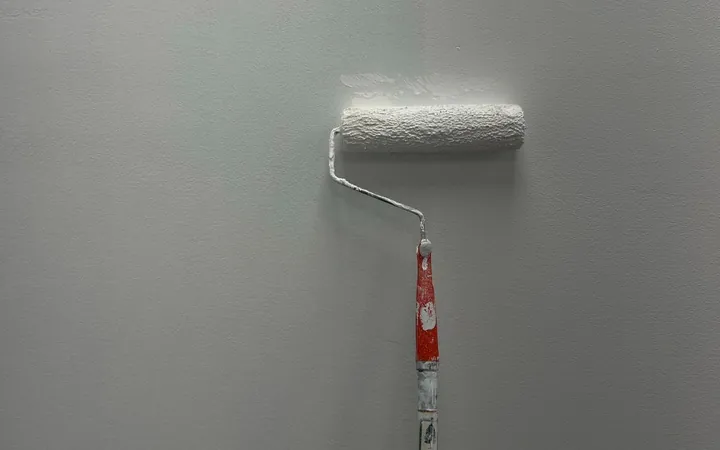
Choose the right roller nap too. A 3/8 inch nap suits smooth drywall, while a 1/2 inch nap suits lightly textured walls. Cheap rollers shed fibres into the paint, so spend a few dollars more on a quality cover and a sturdy frame.
Over brushing is the same fault with a brush, so lay the paint on and leave it alone instead of going back over drying paint.
What Causes Bubbles and Blisters in Bedroom Paint?
Bubbles are among the bedroom walls painting mistakes that show up latest, days after the job looks done. They come from trapped moisture or air under the paint, and they show up as small raised spots that later peel. Painting over a damp wall, or rolling a second coat before the first has dried, traps that moisture in place. Let the wall dry fully, sand the blisters flat once dry, spot prime the sanded area, and repaint with a thin coat.
How Do You Stop Drips and Runs on Bedroom Walls?
Drips and runs come from too much paint on the roller or brush, and they dry as ridges you can feel with a fingertip. Load the roller lightly, roll the excess off on the tray, and work from the top of the wall down so any drip lands on wet paint you can still smooth out. Sand a dried drip flat, spot prime it, and roll one thin coat over the patch.
Why Does Rushing the Second Coat Cause Peeling?
Paint that feels dry is not always ready for another coat. The first coat needs its full recoat time to firm up, and rolling a second coat on too soon can lift the first coat, cause streaks, or trap moisture that later shows as bubbles.
Recoating too soon is one of the bedroom walls painting mistakes that looks harmless until the paint starts to peel, and by then the fix is a sand and repaint.
Latex wall paint is dry to the touch in about 1 hour and ready for a second coat in 1 to 4 hours, depending on the brand. Sherwin Williams lists its Emerald interior paint at 1 hour to touch and 4 hours to recoat, measured at 77 degrees Fahrenheit and 50 percent humidity. Cooler or damper air makes every time longer, so read the label on your own can and follow it, not the clock on the wall.
Full cure takes far longer than drying. Sherwin Williams puts latex paint at 2 to 3 weeks to cure fully, and Benjamin Moore lists about 30 days. Do not scrub the walls or stick anything to them until the paint has cured.
A paint dry time guide built from the makers data sheets lists the touch, recoat and cure times for 17 products, so you can check your exact paint before you start.
What Goes Wrong With Painters Tape?
Painters tape is meant to give clean edges, but it causes trouble when it is used badly. Tape that is pressed down loosely lets paint bleed under the edge, and tape left on too long can pull fresh paint off the wall when you remove it.
Both problems are easy to prevent. Sloppy taping is one of the quieter bedroom walls painting mistakes, since the damage only shows when the tape comes off and the edge bleeds.
Press the tape edge down firmly with a putty knife or a credit card, so no gap is left for paint to creep under. Paint up to the tape, not over it, and remove the tape while the last coat is still slightly wet, pulling it back at a 45 degree angle.
Which Tools Cause Bedroom Painting Mistakes?
Bad tools cause more flaws than bad paint does. A worn roller leaves a patchy texture, a cheap brush sheds bristles into the finish, and a shallow tray makes loading the roller a mess.
The right tools cost little and change the result a lot. Cheap tools are one of the bedroom walls painting mistakes beginners make most often, and the bristles in the finish give them away.
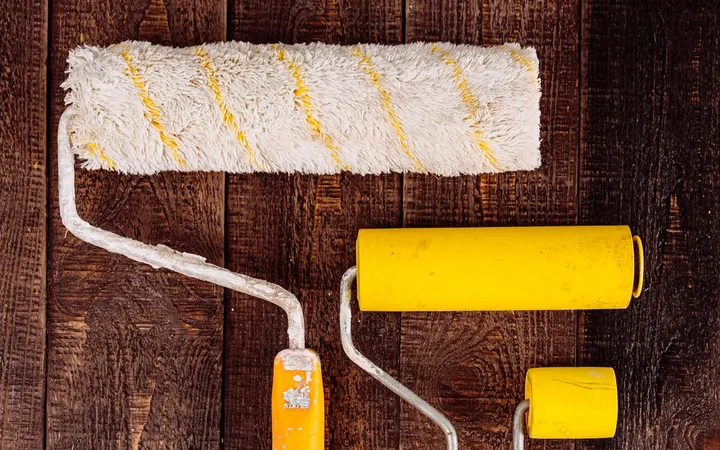
Buy a 9 inch roller frame with a quality 3/8 inch nap cover for the walls, a 2 inch angled brush for cutting in edges and trim, a deep well tray with a liner, and a sturdy extension pole for the high parts of the wall.
Is It Safe to Sleep in a Freshly Painted Bedroom?
Fresh paint smell is strongest on the first night, and bedrooms need more airing than other rooms because you sleep in them for hours. Open the windows, run a fan blowing air out of the room, and keep the bedroom door open if the weather allows.
Low VOC and zero VOC paints cut the smell a lot, but ventilation still matters even with those products. Sleeping in the room too soon is one of the bedroom walls painting mistakes that steals your sleep as well as your finish.
Paint makers advise waiting until the paint feels dry and the room smells of nothing before you sleep in it, which usually means airing the bedroom for at least one full night. Children, pregnant people, and anyone with asthma or breathing problems should sleep elsewhere for longer, until the smell is fully gone.
Bedroom Painting Checklist
Use this checklist before you open the first can, and tick each item off as you go. It covers the steps people skip most often, and each skipped step is one of the bedroom walls painting mistakes this piece is built to prevent.
- Wash the walls, fill holes, sand smooth, and wipe away all dust.
- Prime bare drywall, patches, stains and big colour changes.
- Test the colour on the wall in daylight and lamp light before buying gallons.
- Pick flat, matte or eggshell finish for bedroom walls, not gloss.
- Measure the walls, buy 2 gallons plus 1 quart for a standard bedroom, and keep a quart for touch ups.
- Load the roller lightly, keep a wet edge, and wait the full recoat time between coats.
- Press tape down firmly and pull it off while the last coat is still slightly wet.
- Air the room for at least one full night before sleeping in it.
One worked example pulls the whole method together. Take a 12 foot by 14 foot bedroom with 8 foot ceilings, one door and two windows.
The net wall area is about 365 square feet, so two coats need about 2.1 gallons. Buy 2 gallons plus 1 quart, 1 gallon of primer if the walls need it, and a quality roller set.
Follow the checklist, wait the full recoat time, and the room dries to an even finish with no roller marks, no peeling and no colour surprise.
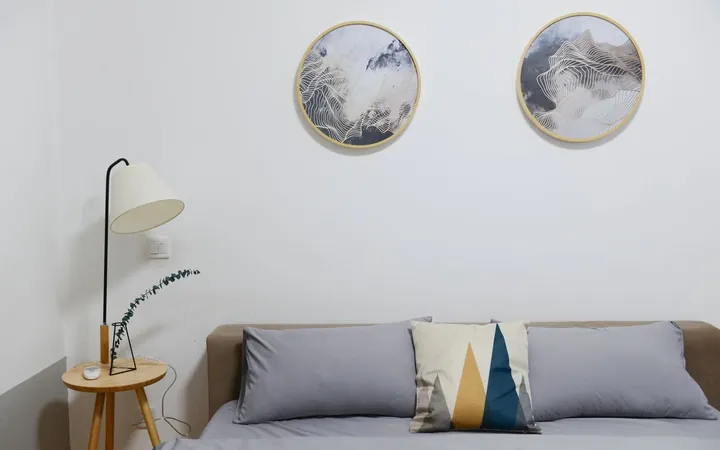
One careful weekend beats three rushed ones. Paint the room once and paint it right.
Wash and patch the walls, prime where the surface needs it, test the colour in real light, buy enough paint, roll with a steady method, and give each coat its full drying time. Do those things and bedroom walls painting mistakes stop being a list of regrets and become a list of things you simply did not do.
How to Fix Each Mistake
Here is the short version of the whole piece, with every bedroom walls painting mistake and the fix that stops it. Keep this table open while you work. The bedroom walls painting mistakes below are the ones that show up on the wall the next morning.
| Mistake | The fix |
|---|---|
| Skipping prep | Wash the walls with sugar soap, fill holes, sand smooth, and wipe the dust off before you open the can. |
| Skipping primer | Prime bare plaster, patched areas, and any wall changing from dark to light. One coat of primer saves a third coat of paint. |
| Wrong color | Paint a test patch and check it in the morning and the evening. A color that looks right at noon can turn gray under a bedside lamp. |
| Wrong finish | Use matte or eggshell on bedroom walls. Save flat for ceilings and semi gloss for trim. |
| Too little paint | Measure the walls, subtract doors and windows, divide by the coverage on the can, add 10 percent, and round up. |
| Roller marks | Keep a wet edge, roll in a W pattern, and never roll back over paint that has started to dry. |
| Recoating too soon | Wait the full drying time on the can, usually 2 to 4 hours, and longer in a cold or damp room. |
| Tape trouble | Press tape down firmly, paint over the edge with the wall color first to seal it, and pull it off while the paint is still slightly wet. |
| Wrong tools | Use a 9 inch roller with a 3/8 inch nap for smooth walls, and an angled brush for cutting in. |
| Sleeping too soon | Ventilate the room and wait at least 24 hours before sleeping in it, longer if the smell is still strong. |
Related guides
- Best Paint for Bedroom Walls: Types and Finishes Explained
- How Much Paint Do You Need for Bedroom Walls?
- How Long Does Paint Take to Dry on Living Room Walls?
- Interior Painting Guide: From Prep to Final Coat
- Paint Drying Time Bedroom Walls Explained for 2027
Frequently Asked Questions
Can you paint over a bedroom painting mistake without starting over?
Most mistakes can be fixed without repainting the whole room. Let the paint dry fully, sand the flaw smooth with 220 grit sandpaper, wipe away the dust, spot prime the sanded area, then repaint that section with a full coat that blends into the surrounding wall. Drips and roller marks respond well to this fix, while peeling paint needs the loose edges scraped back first.
How long should you wait between coats on bedroom walls?
Wait the recoat time printed on the can, which is 1 to 4 hours for most latex paints. Sherwin Williams Emerald needs 4 hours, while Benjamin Moore Aura needs 1 hour. Cooler or damper air makes the wait longer, so check the label and give the coat extra time when the room is cold.
What finish is best for bedroom walls?
Eggshell is the best finish for most bedroom walls, since it hides small flaws and still wipes clean. Flat or matte suits older walls with more flaws, while satin suits a bedroom that takes more scuffs. Avoid semi gloss and high gloss on bedroom walls, since they show every bump and patch.
Do bedroom walls always need primer?
No, walls in good condition with a similar colour do not need a full primer coat. Prime bare drywall, patched areas, stains, and any wall changing from a dark colour to a light one. Spot priming patches is enough when the rest of the wall is sound, but the primer must dry fully before the finish coat goes on.
Can you sleep in the bedroom the night you paint it?
It is safer to sleep elsewhere for at least one night after painting a bedroom. Open the windows and run a fan until the paint is dry and the smell has faded. Children, pregnant people and anyone with breathing problems should wait longer, until the room smells like nothing at all.